

Organic cotton, sustainable fashion, ethical production – if you're trying to make more conscious choices when shopping for clothes, you'll come across plenty of terms and promises. But how can you tell which standards actually stand behind a product?
One helpful guide is the GOTS label. It's one of the best-known international certifications for textiles made from organically produced natural fibres. But what exactly does GOTS mean, what requirements do manufacturers have to meet, and why does certification matter for something as everyday as socks?
What Does GOTS Stand For?
GOTS stands for Global Organic Textile Standard.
It's an internationally recognised standard that sets consistent requirements for the processing and manufacturing of textiles made from certified organic natural fibres. It covers not only the raw materials used, but also environmental and social criteria throughout the textile supply chain.
That's an important distinction: a garment can contain organic cotton without the subsequent production stages necessarily being certified to a comprehensive textile standard.
GOTS, on the other hand, covers the journey from organically produced raw materials through processing to the finished textile product. This includes stages such as spinning, knitting, dyeing, sewing and labelling.
When Was the GOTS Standard Introduced?
The history of GOTS began in 2002, when organisations from Germany, the UK, the USA and Japan joined forces to harmonise different national standards for organic textiles.
Their aim was to establish an internationally recognised standard with clear requirements for organic textile production, making certification more consistent and comparable across borders.
The first version of the Global Organic Textile Standard was published in 2006. Two years later, in 2008, the familiar GOTS logo was introduced.
Since then, the standard has been regularly updated to reflect new findings and developments in the textile industry. Version 8.0 was published in March 2026 and is scheduled to become mandatory in March 2027.
You can find more information about its history, certification process and current requirements on the official GOTS website.
What Requirements Must GOTS-Certified Textiles Meet?
GOTS covers several aspects of textile production. Its requirements apply to both the materials used and the manufacturing processes, as well as working conditions.
Some of the most important criteria include:
-
Certified organic natural fibres: At least 70% of the fibres in a GOTS-certified textile product must come from certified organic sources. Products labelled "organic" must contain at least 95%.
-
Restrictions on chemicals: Strict rules apply to dyes, processing aids and other chemical substances used during manufacturing. Certain particularly harmful substances are prohibited.
-
Environmental requirements: The standard includes requirements for wastewater treatment, resource management and waste handling.
-
Social criteria: GOTS sets requirements relating to working conditions, occupational health and safety, discrimination, child labour and other fundamental workers' rights.
-
Independent inspections: Compliance is assessed by approved, independent certification bodies.
This means GOTS certification goes considerably further than simply checking the fibre composition of a product.
What's the Difference Between Organic Cotton and GOTS-Certified Cotton Clothing?
Organic cotton is grown according to organic farming principles. These include avoiding genetically modified seeds and certain synthetic pesticides and fertilisers.
That's already an important step towards more environmentally responsible textile production.
However, once cotton has been harvested, it still goes through numerous processing stages before becoming a finished garment. The fibres are spun into yarn, knitted or woven into fabric, dyed and eventually made into clothing.
This is where GOTS comes in: the standard combines the use of certified organic fibres with binding requirements for the subsequent manufacturing stages.
So when you buy a GOTS-certified product, you're not just getting information about where its fibres come from. You're also choosing a textile whose manufacturing process is subject to independently verified standards.
Does GOTS Always Mean 100% Organic?
Not necessarily. GOTS distinguishes between two labelling grades:
-
"Organic": At least 95% of the fibres must be certified organic.
-
"Made with organic materials": At least 70% of the fibres must be certified organic.
The remaining fibres can't simply be chosen at random. They must also comply with the requirements of the standard.
This is particularly relevant for socks. To achieve a comfortable fit, maintain their shape and provide elasticity, cotton fibres are often blended with a small proportion of other fibres.
A GOTS-certified product therefore doesn't have to consist entirely of organic cotton. What matters is that its overall fibre composition and manufacturing process meet the relevant requirements.
How Can You Recognise a Genuine GOTS Label?
The familiar GOTS logo features a stylised white shirt on a green background, surrounded by the words "Global Organic Textile Standard".
A correctly labelled product should also display information about its labelling grade, the responsible certification body and its certification number.
These details help make the certification traceable. After all, terms such as "natural", "green" or "eco-friendly" don't automatically prove that a textile has been independently assessed against a recognised standard.

Why Does Natural Vibes Choose GOTS-Certified Organic Cotton?
At Natural Vibes, we love individual designs, good vibes and the little details that make everyday life more enjoyable. At the same time, we care about how our products are made.
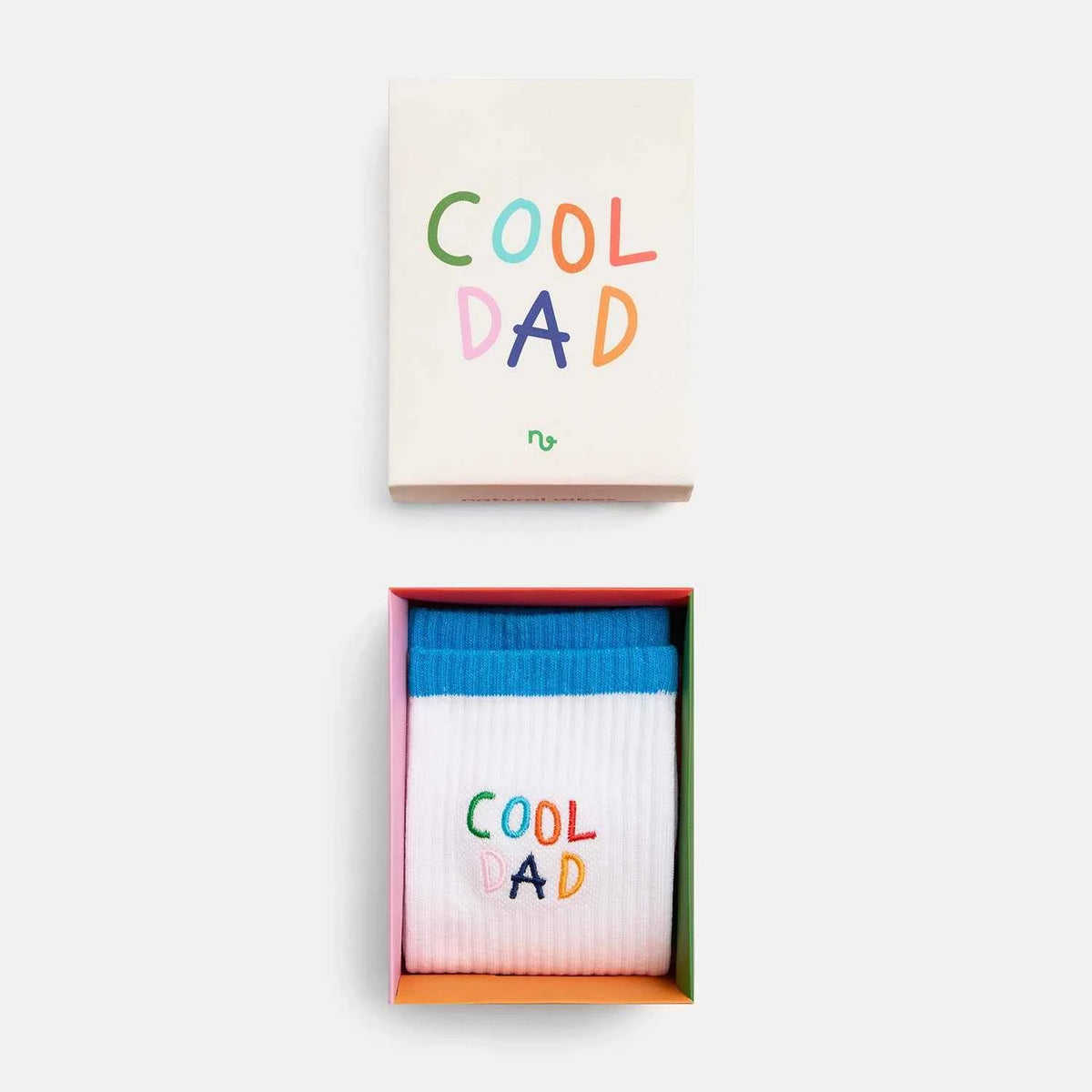
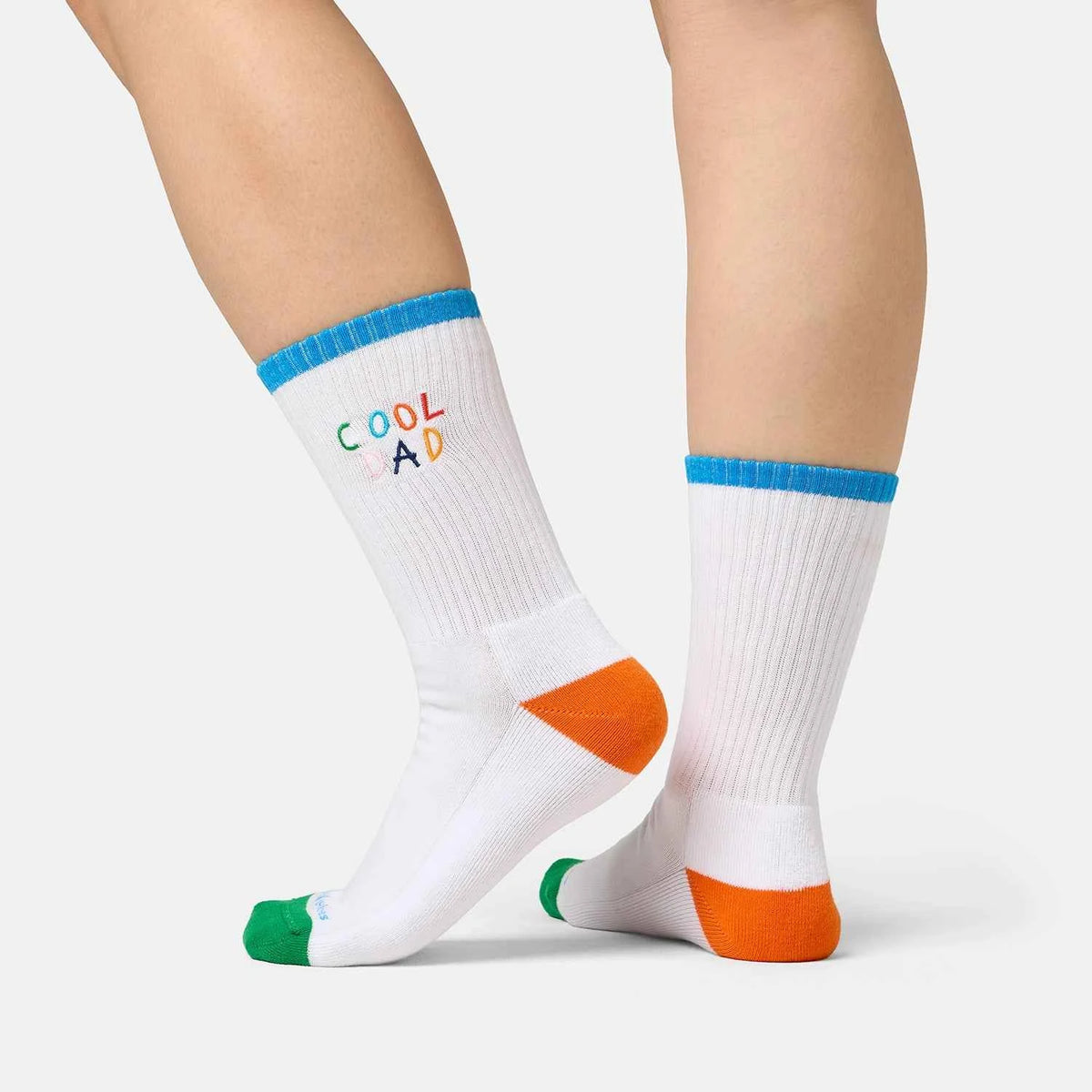
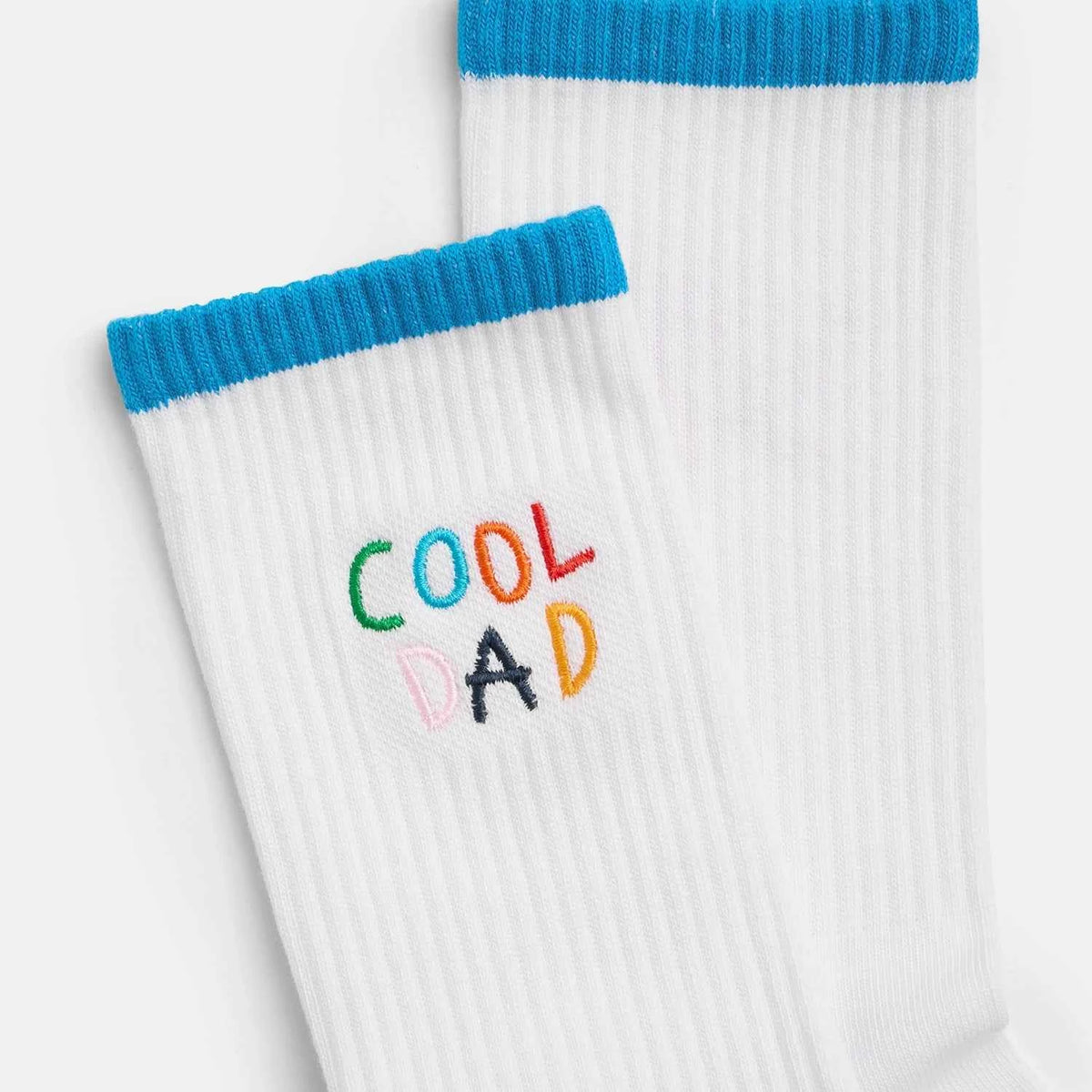
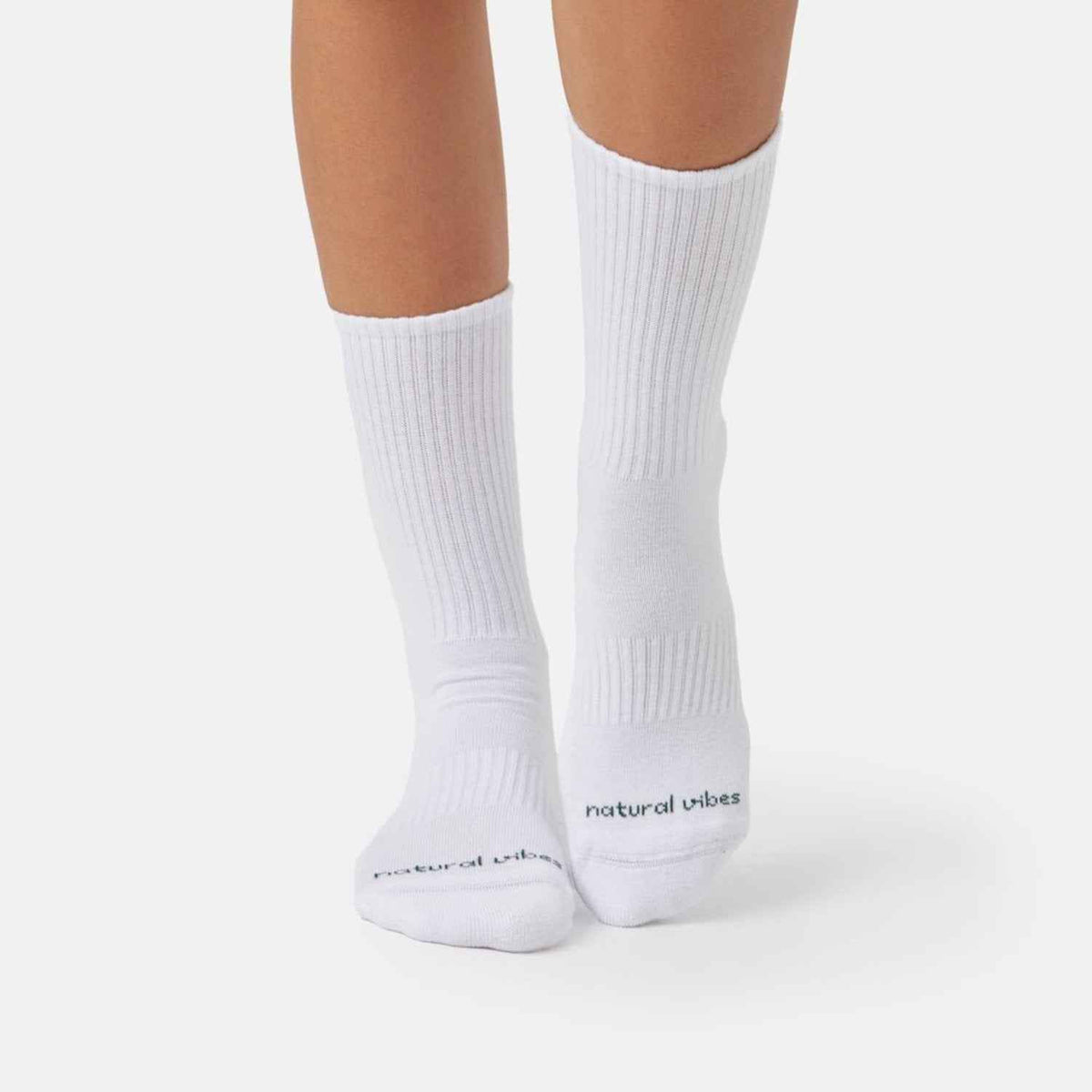
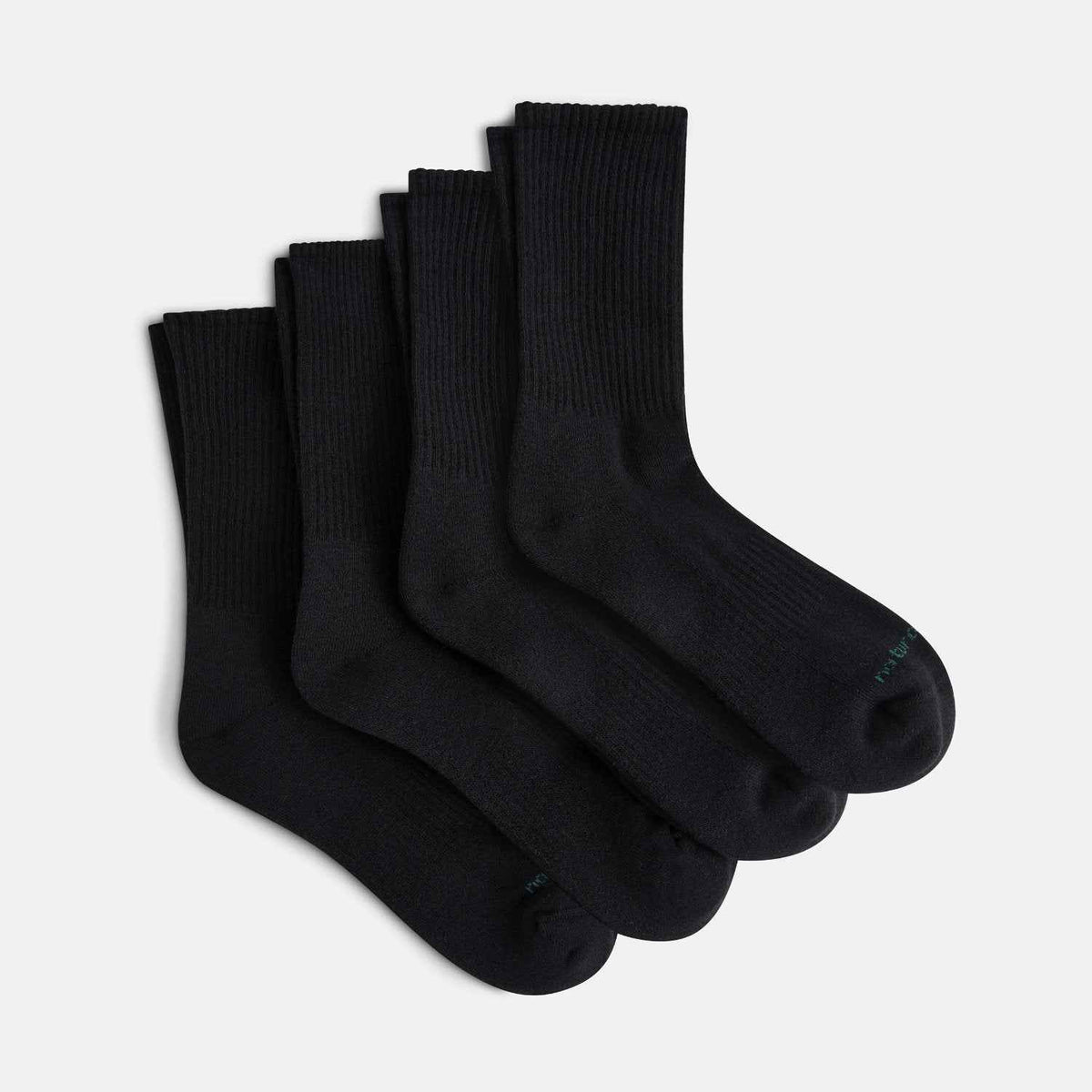
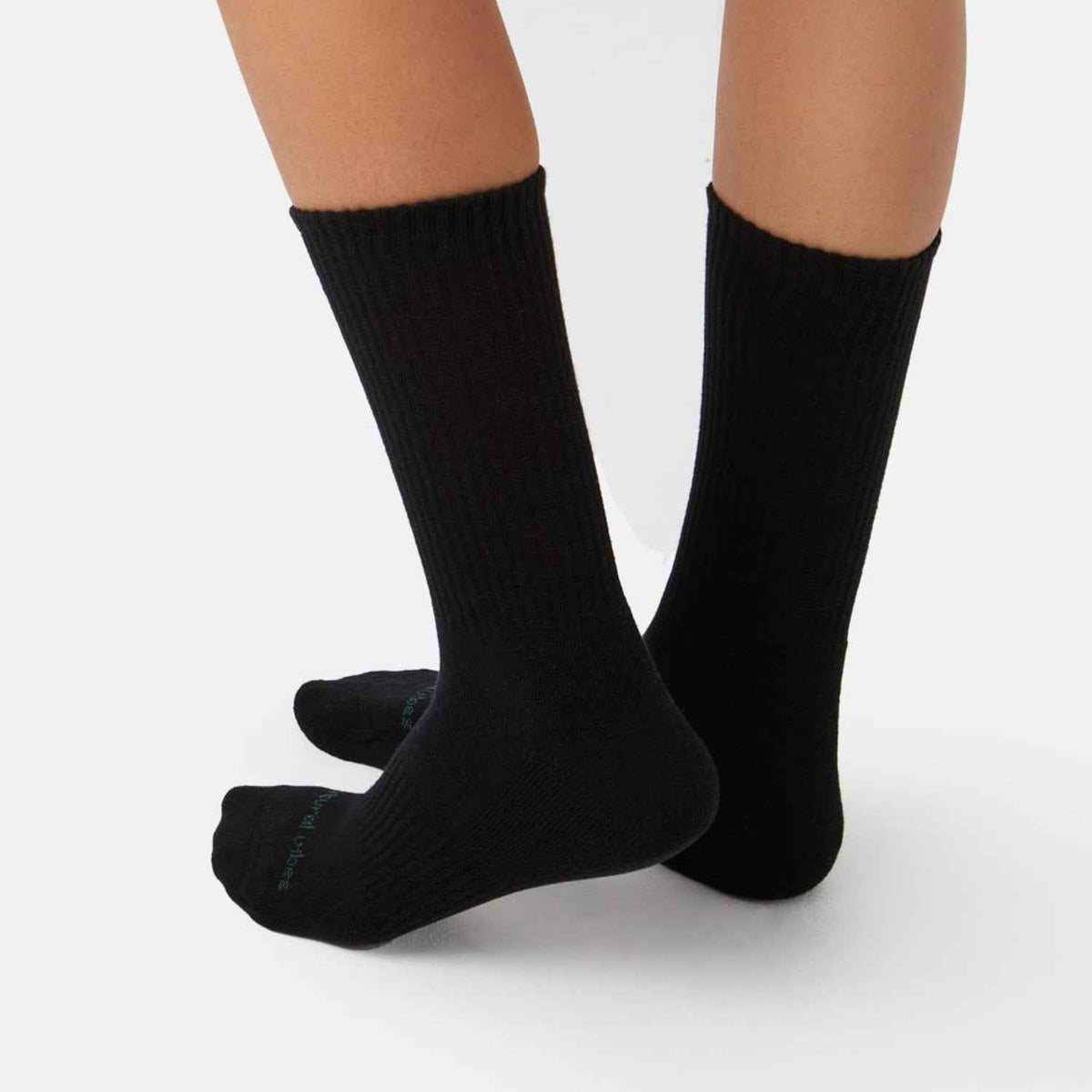
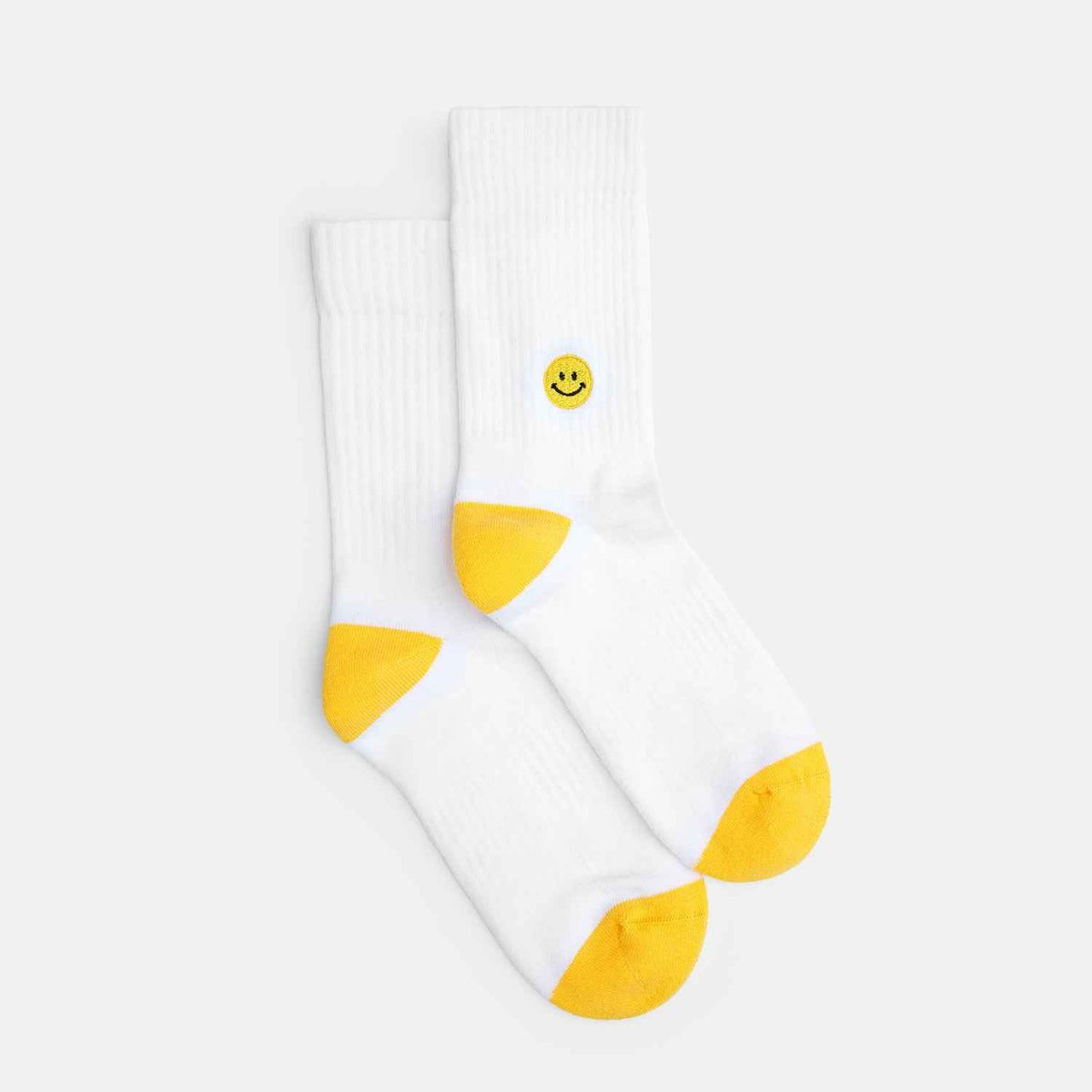
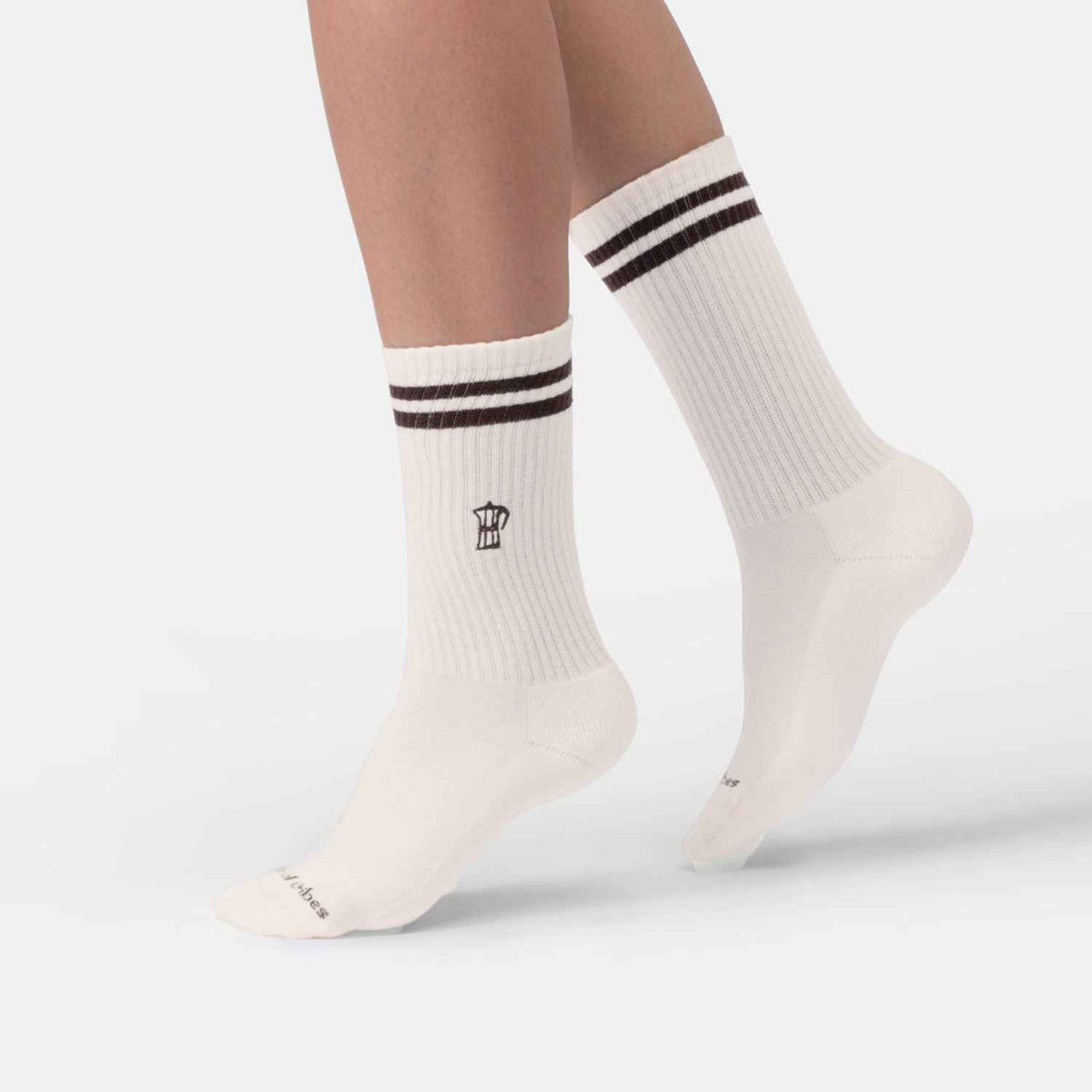
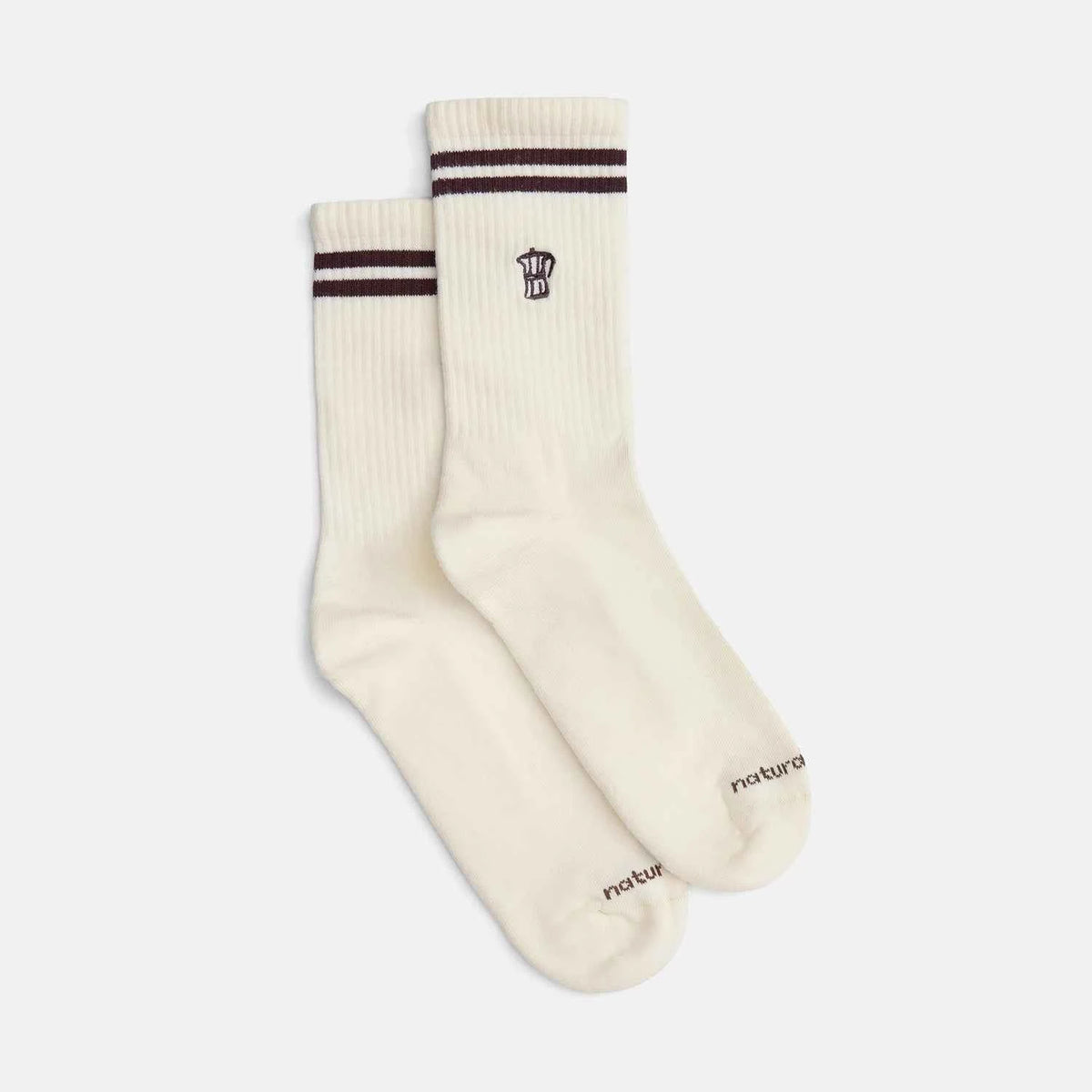
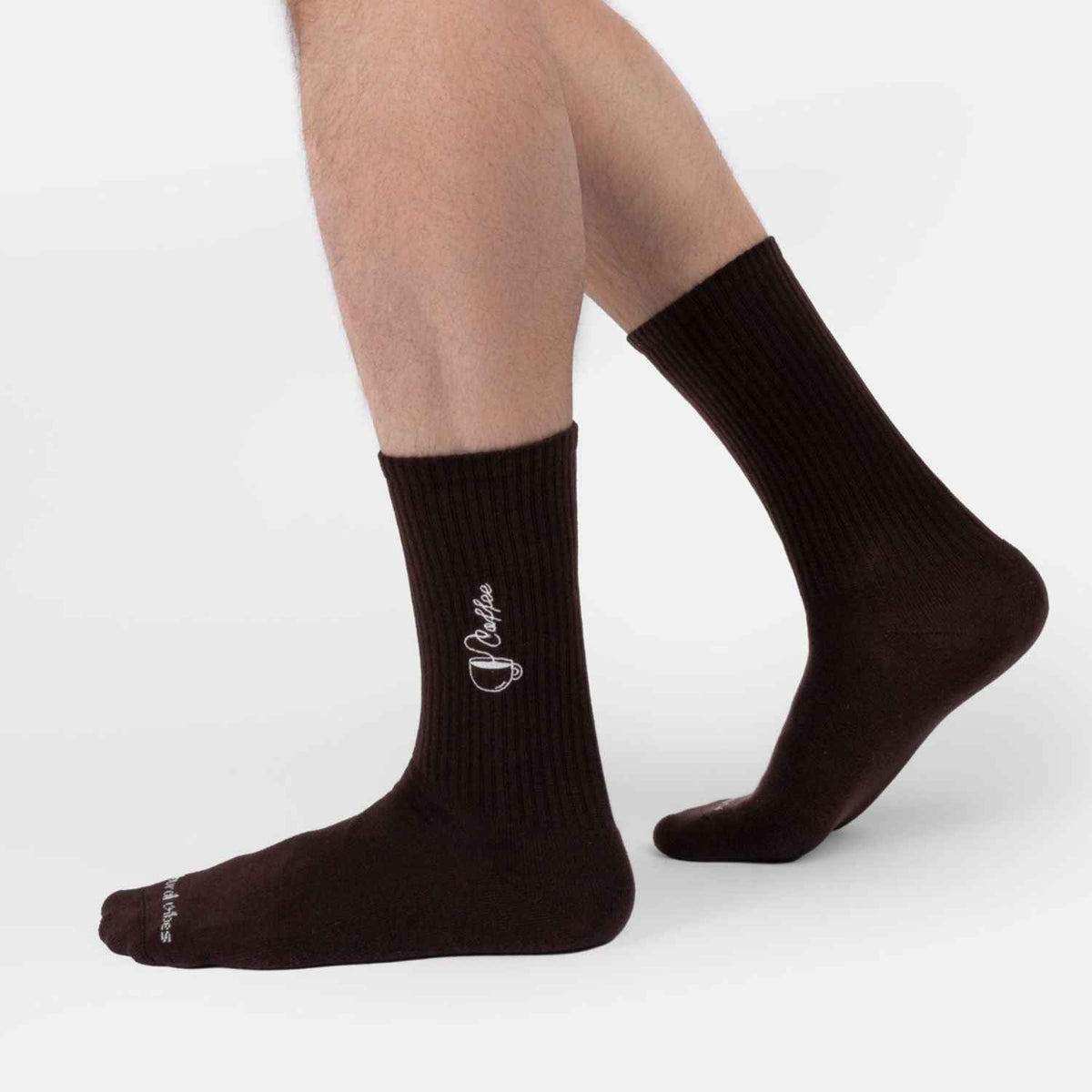
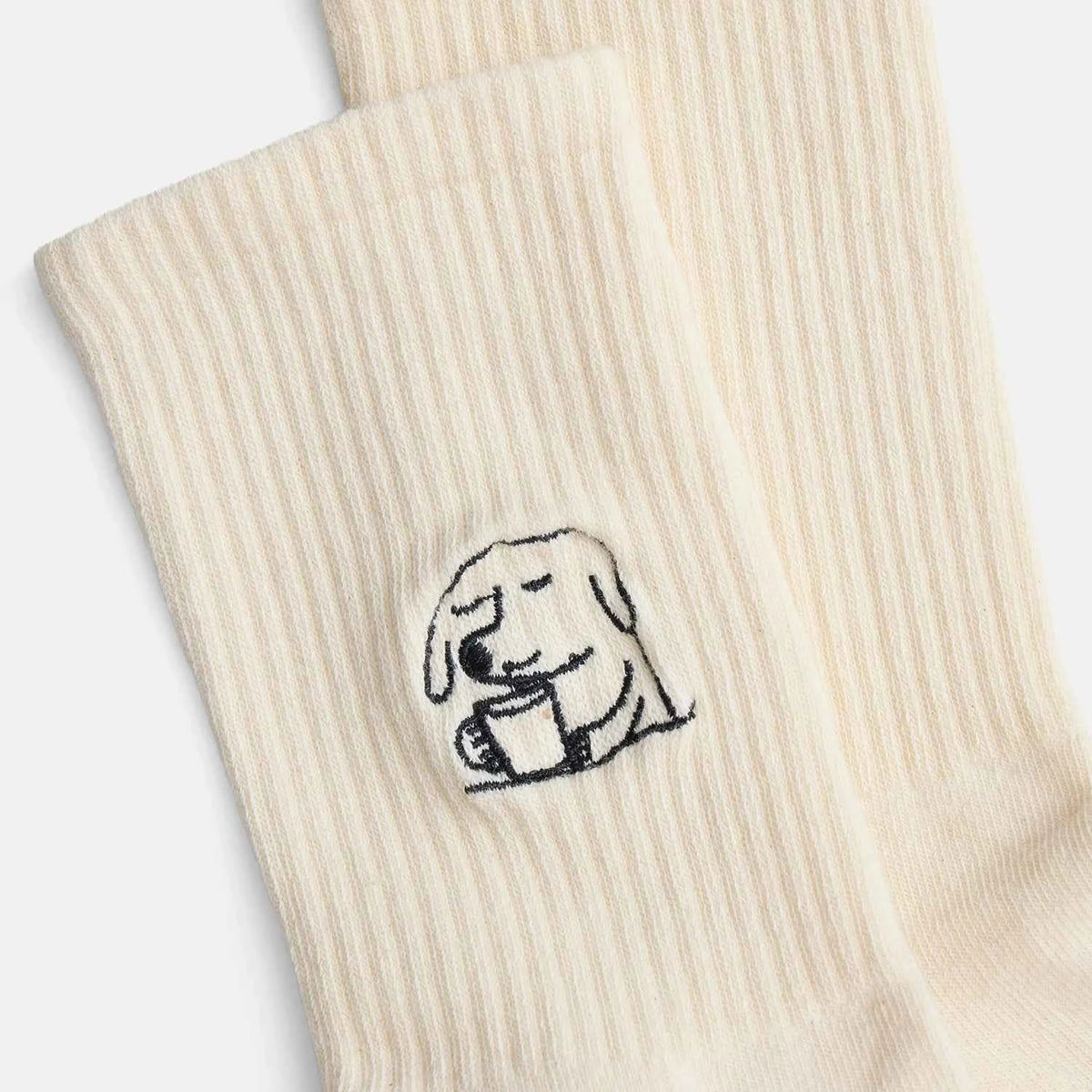
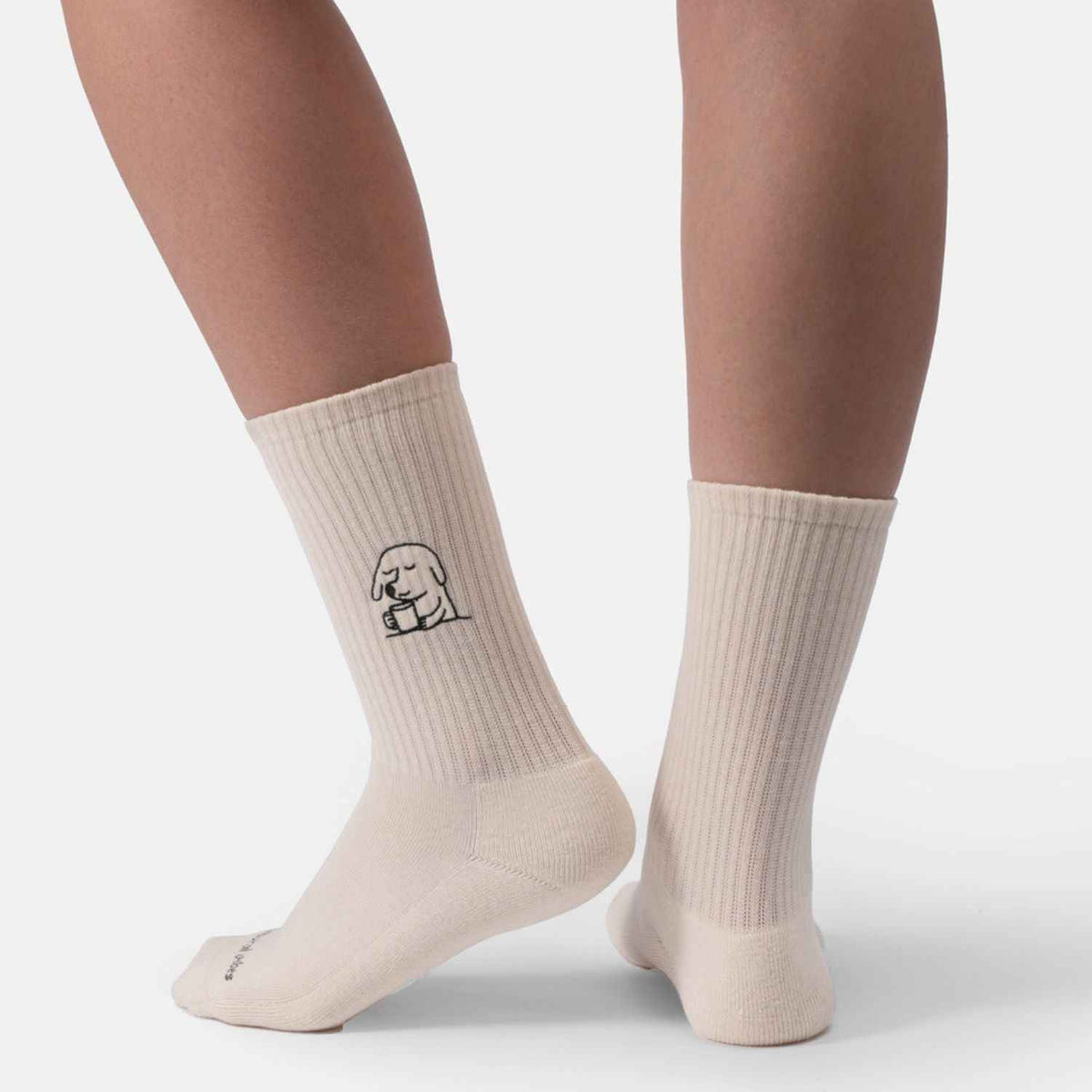
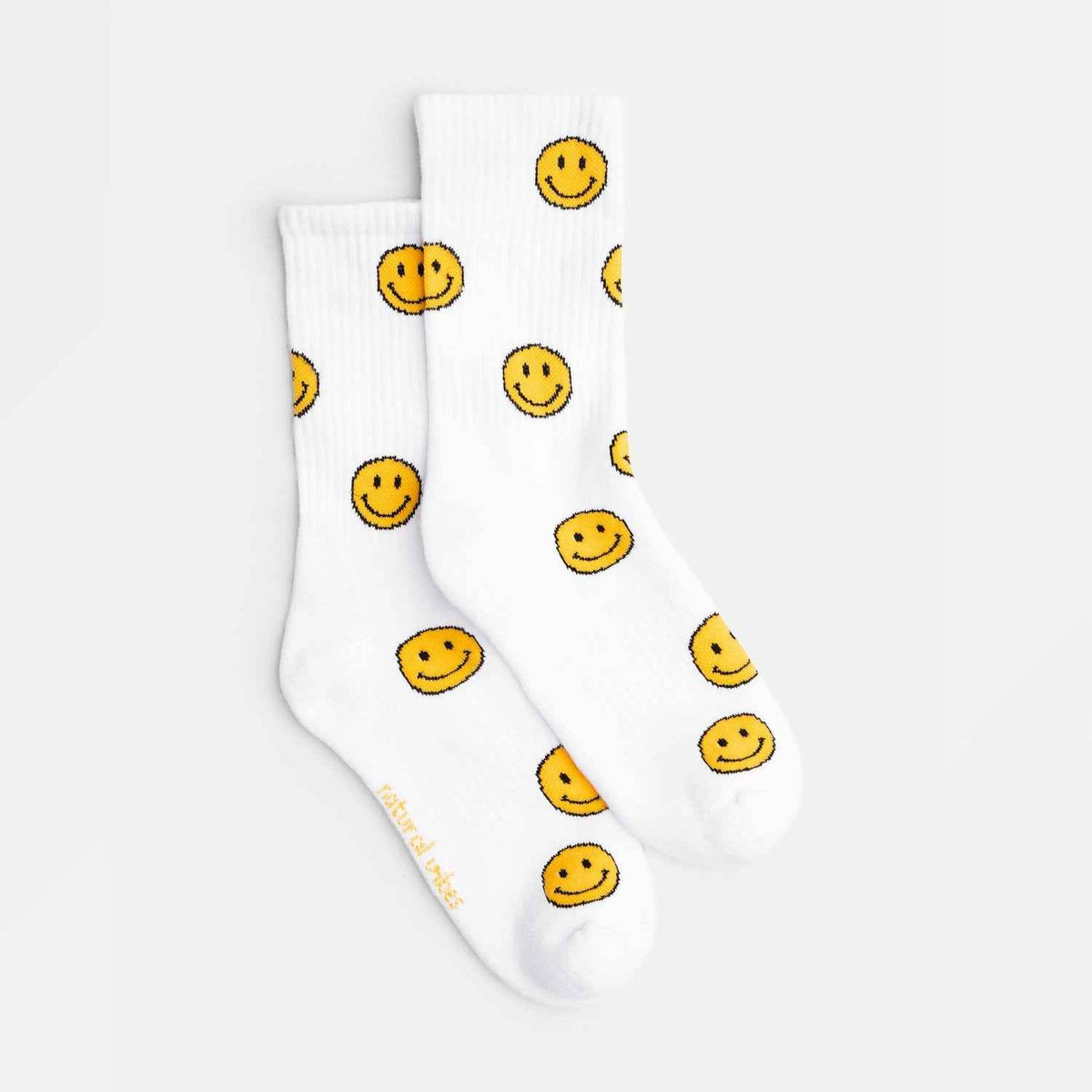
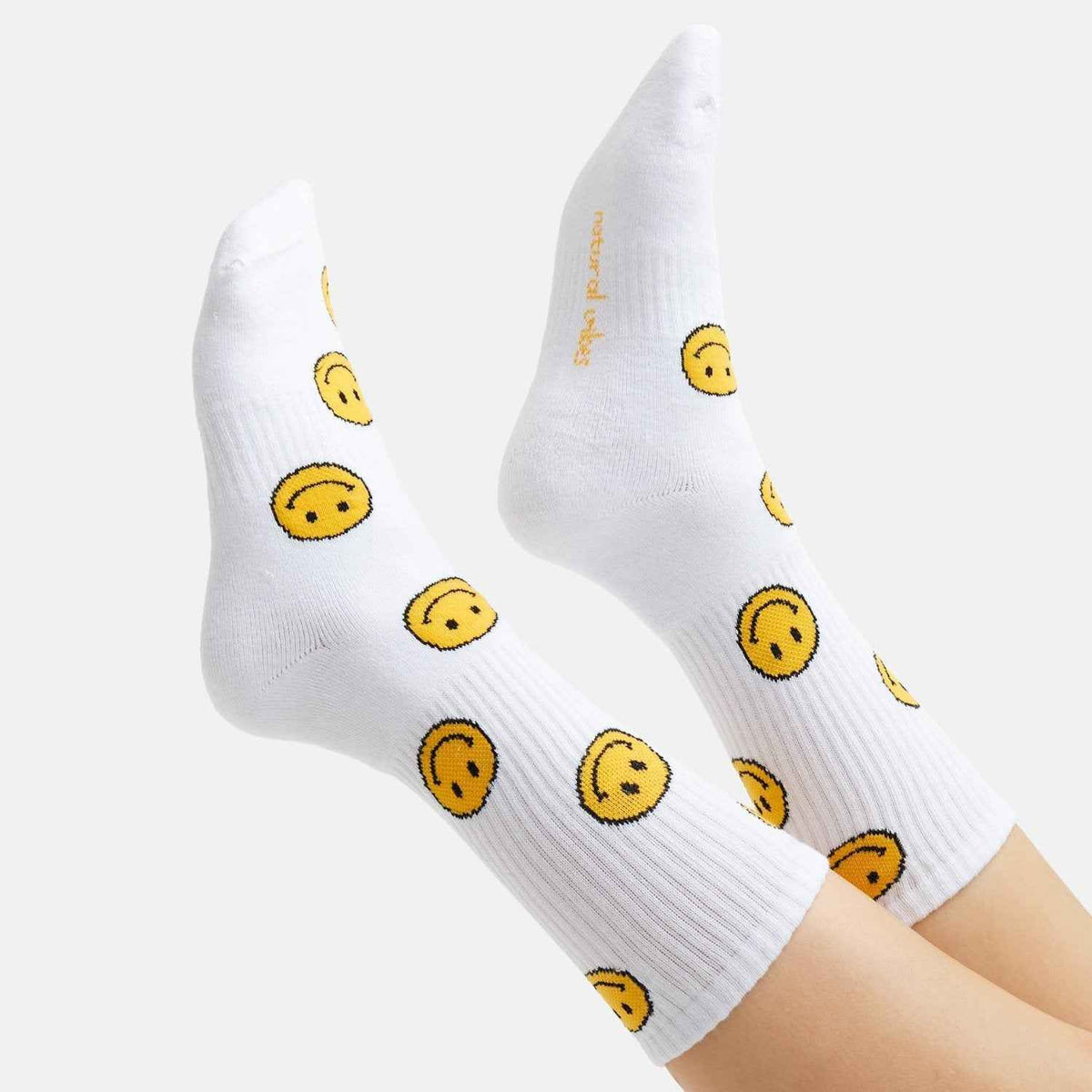
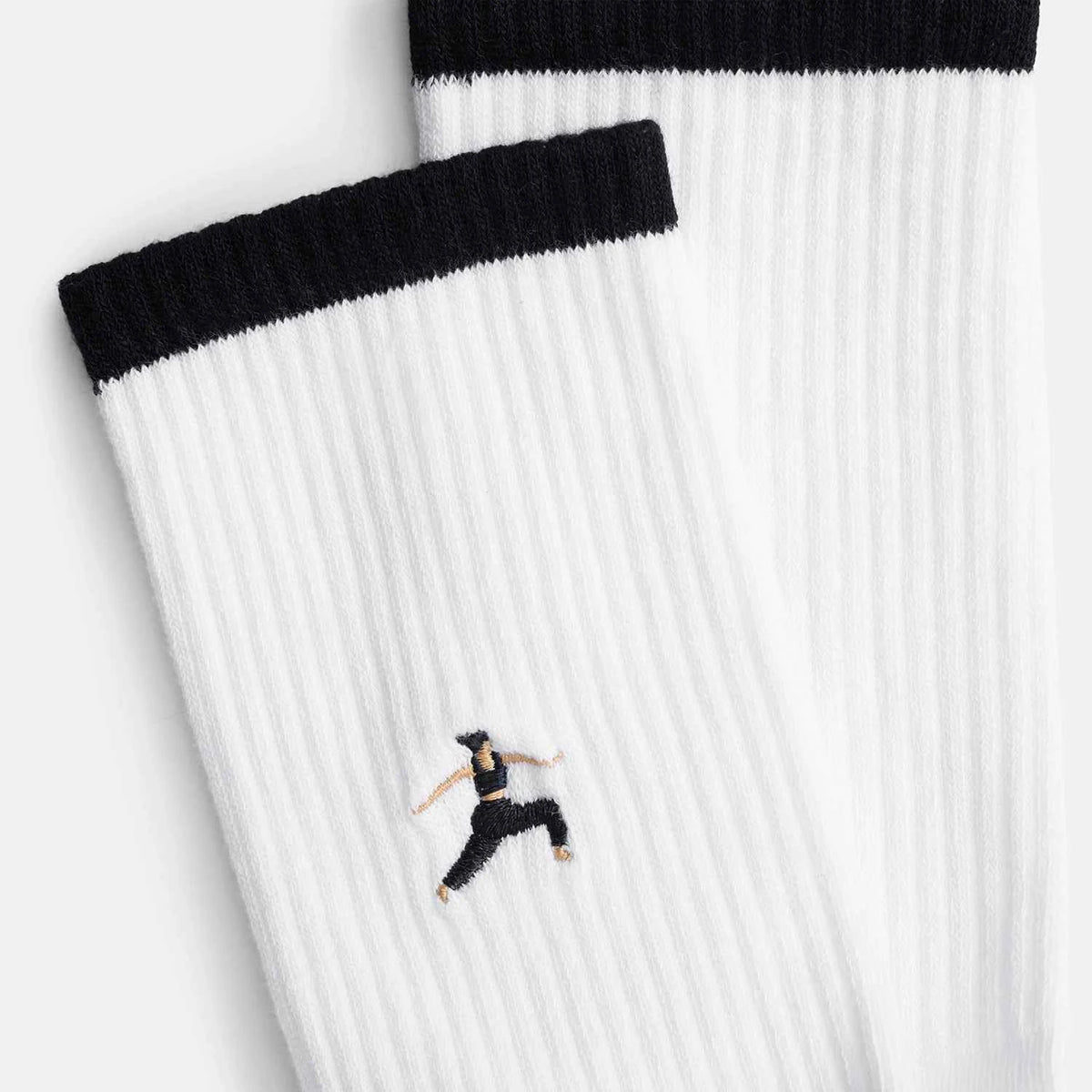
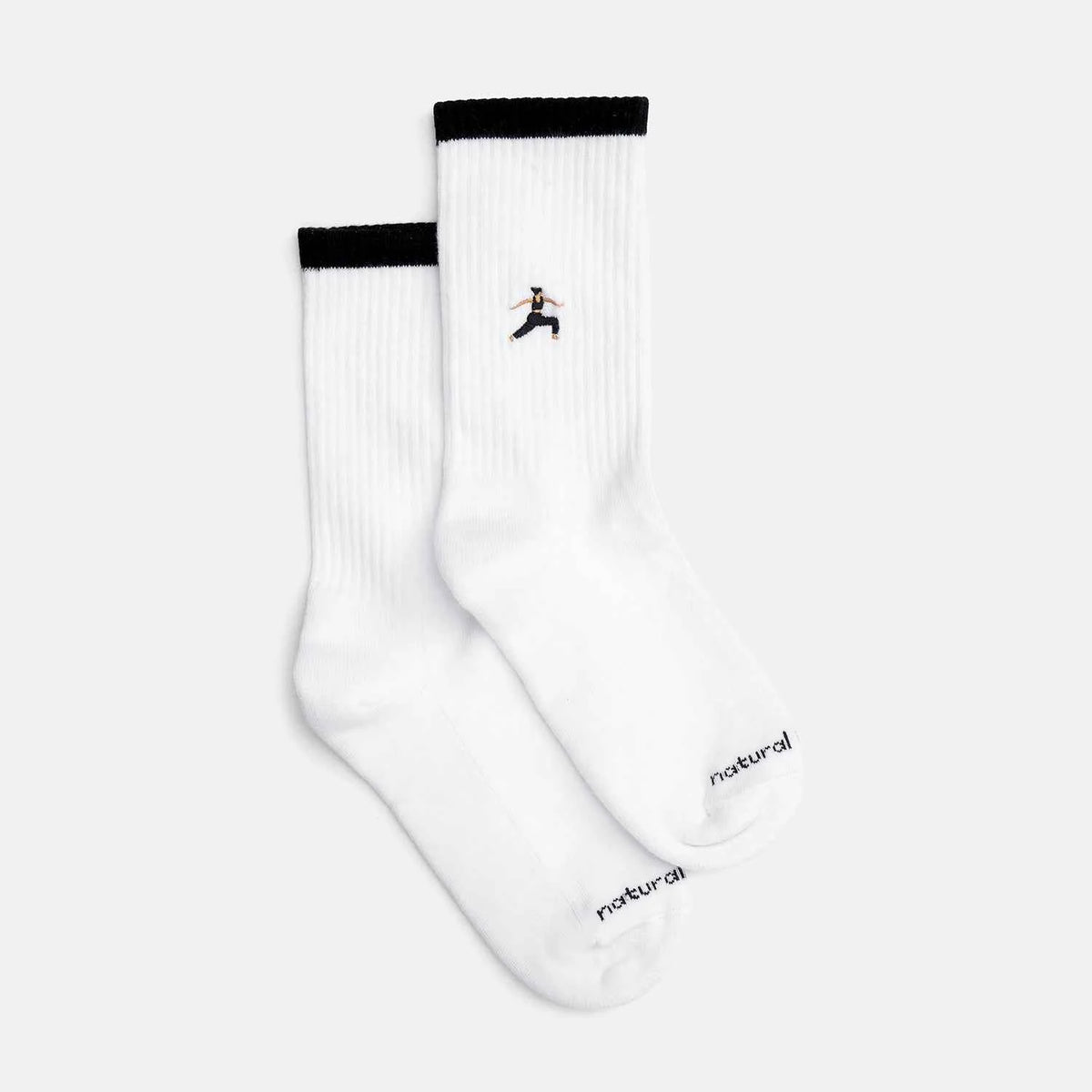
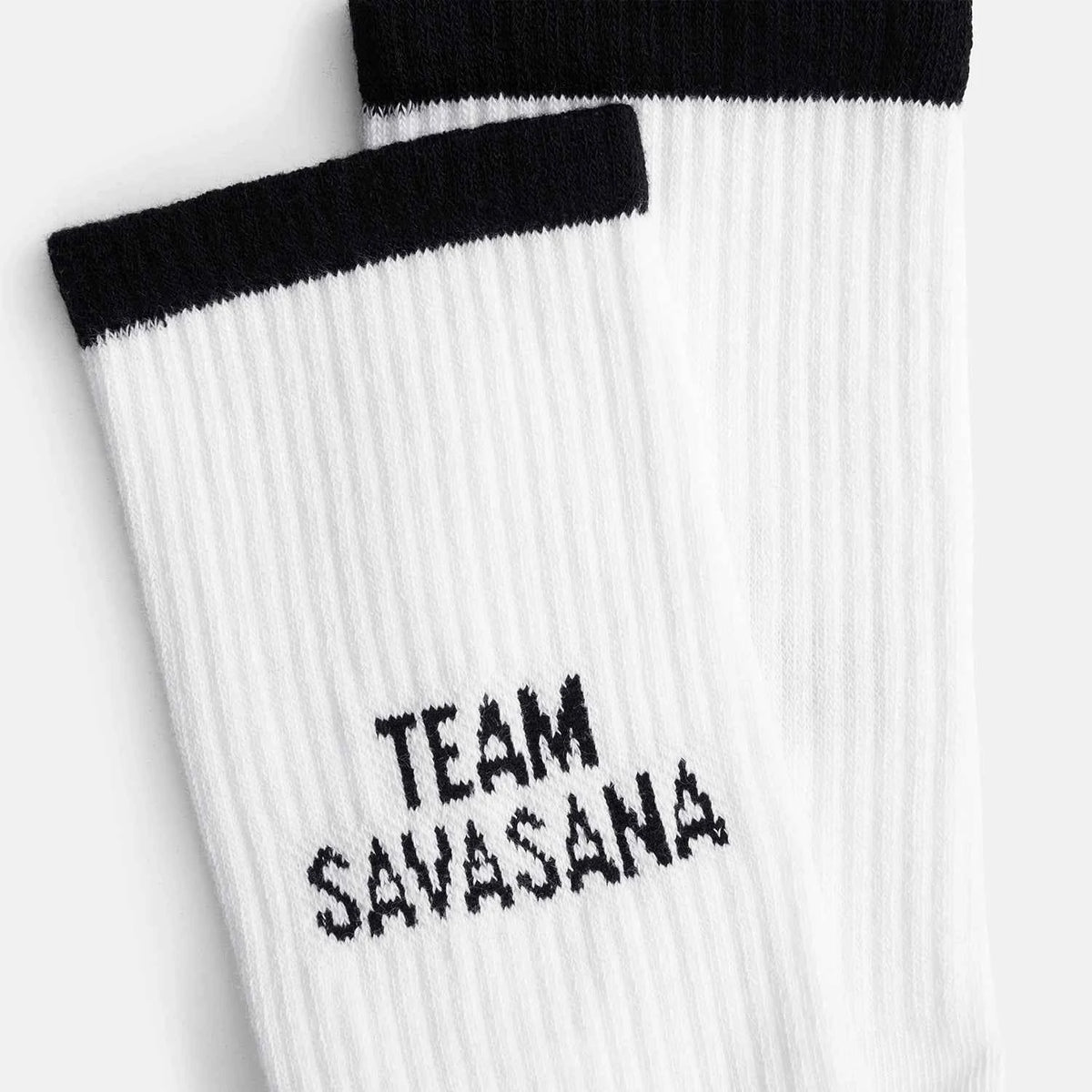
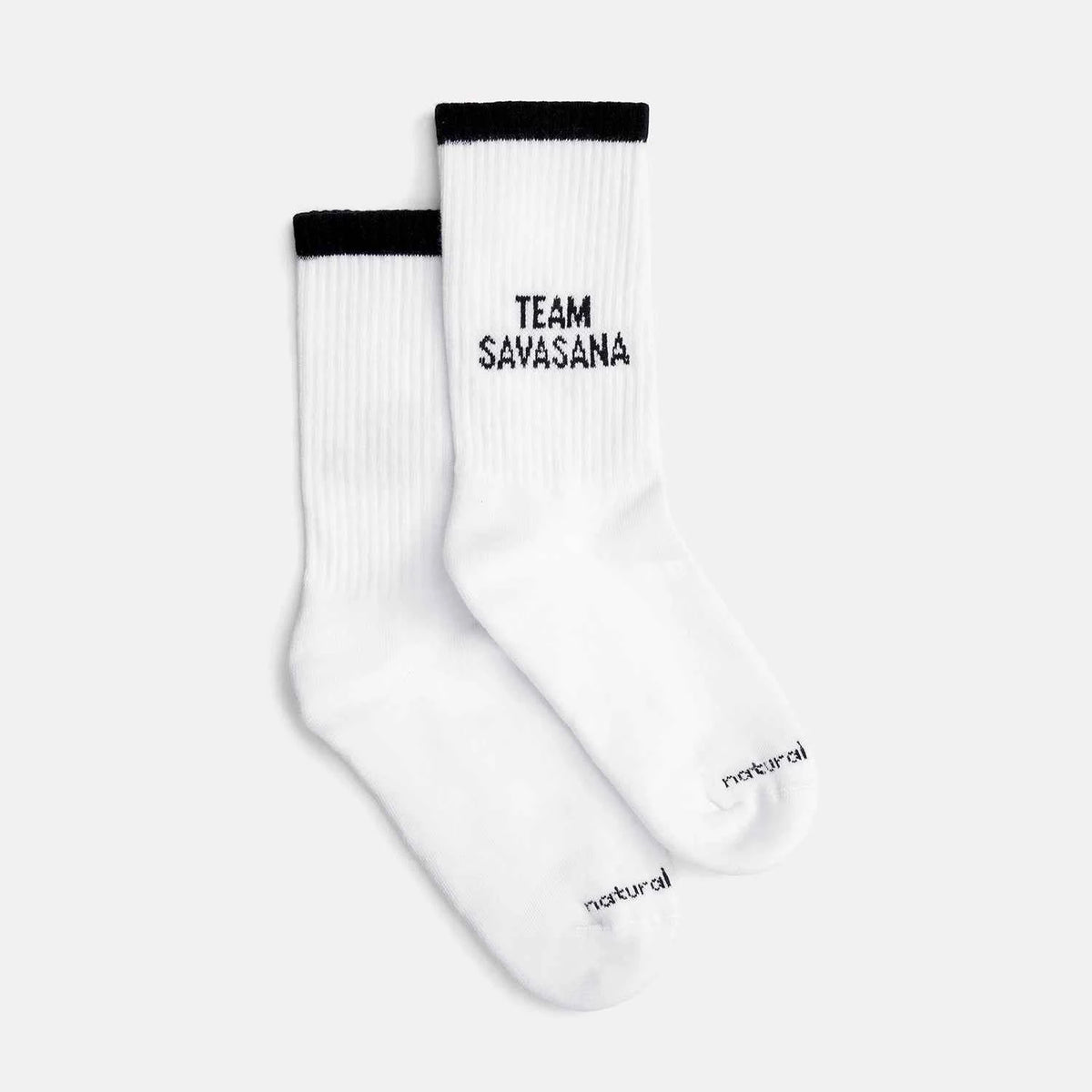
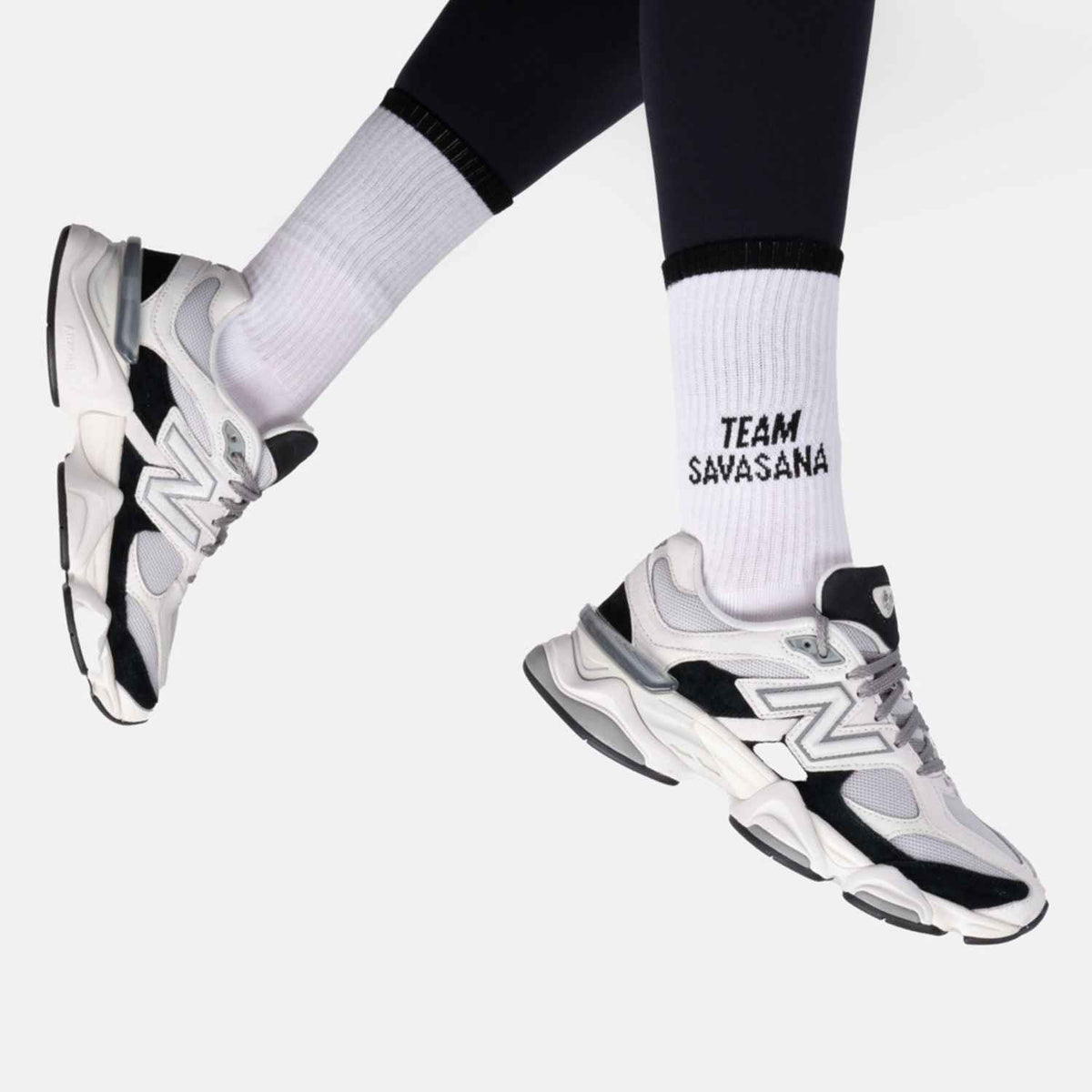
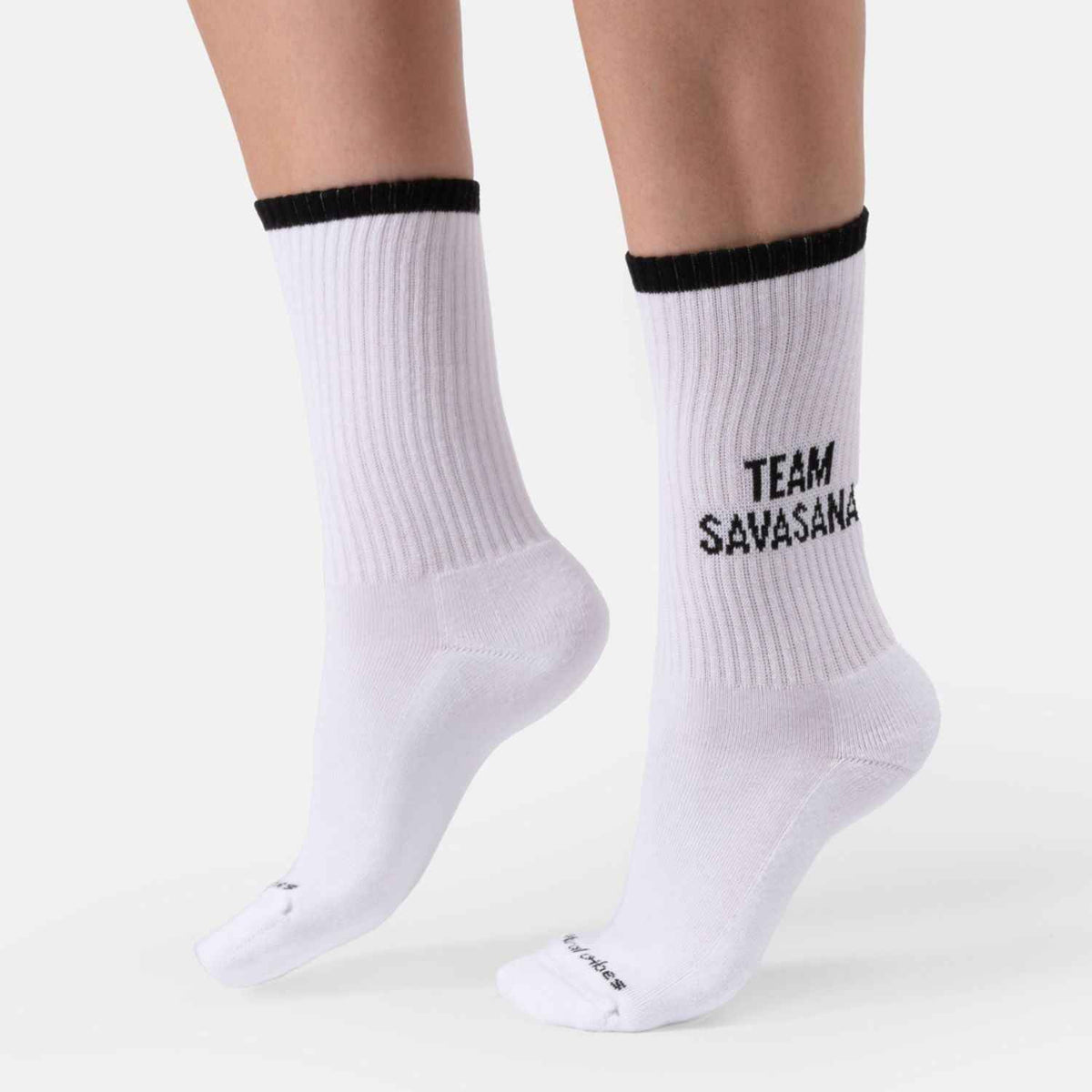
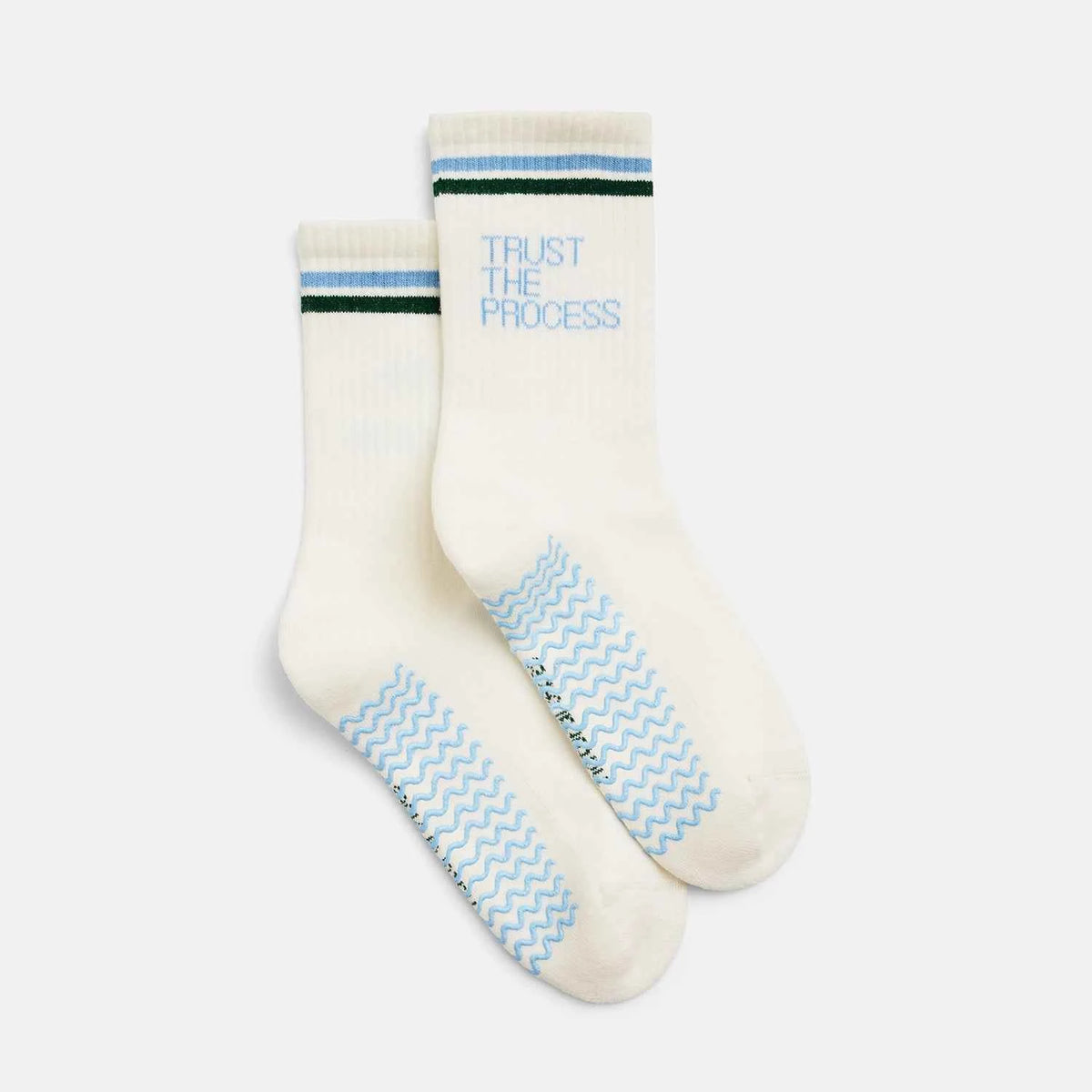
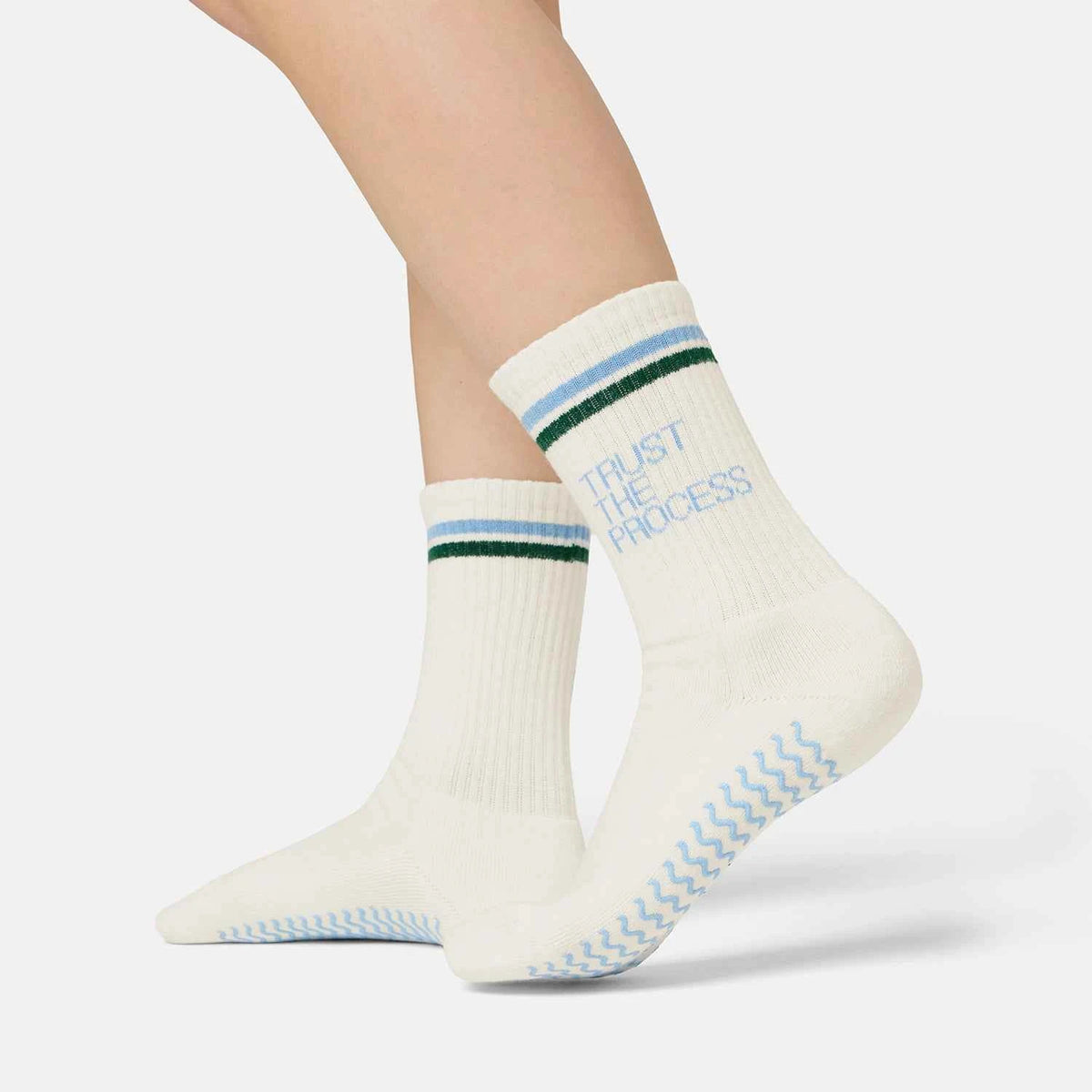
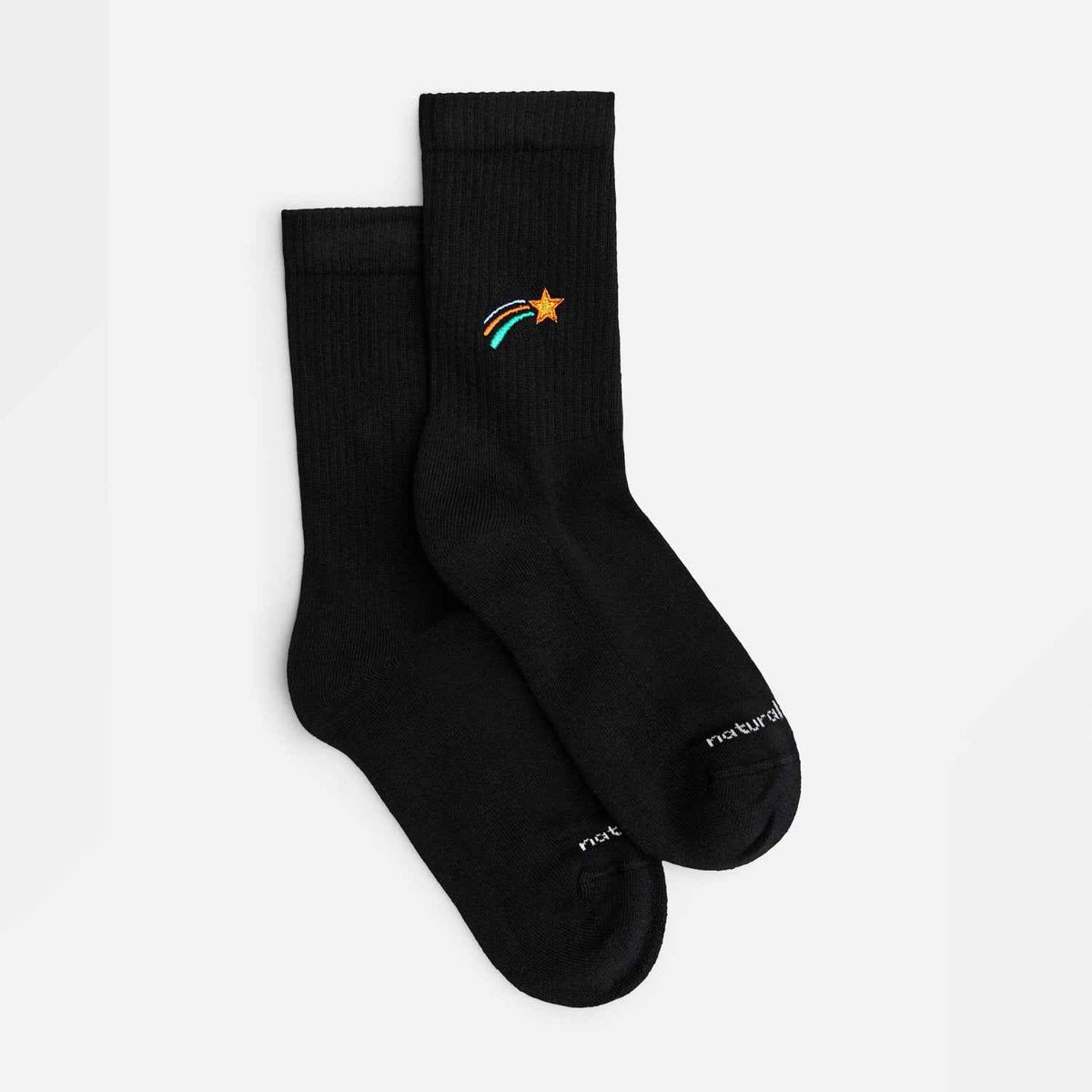
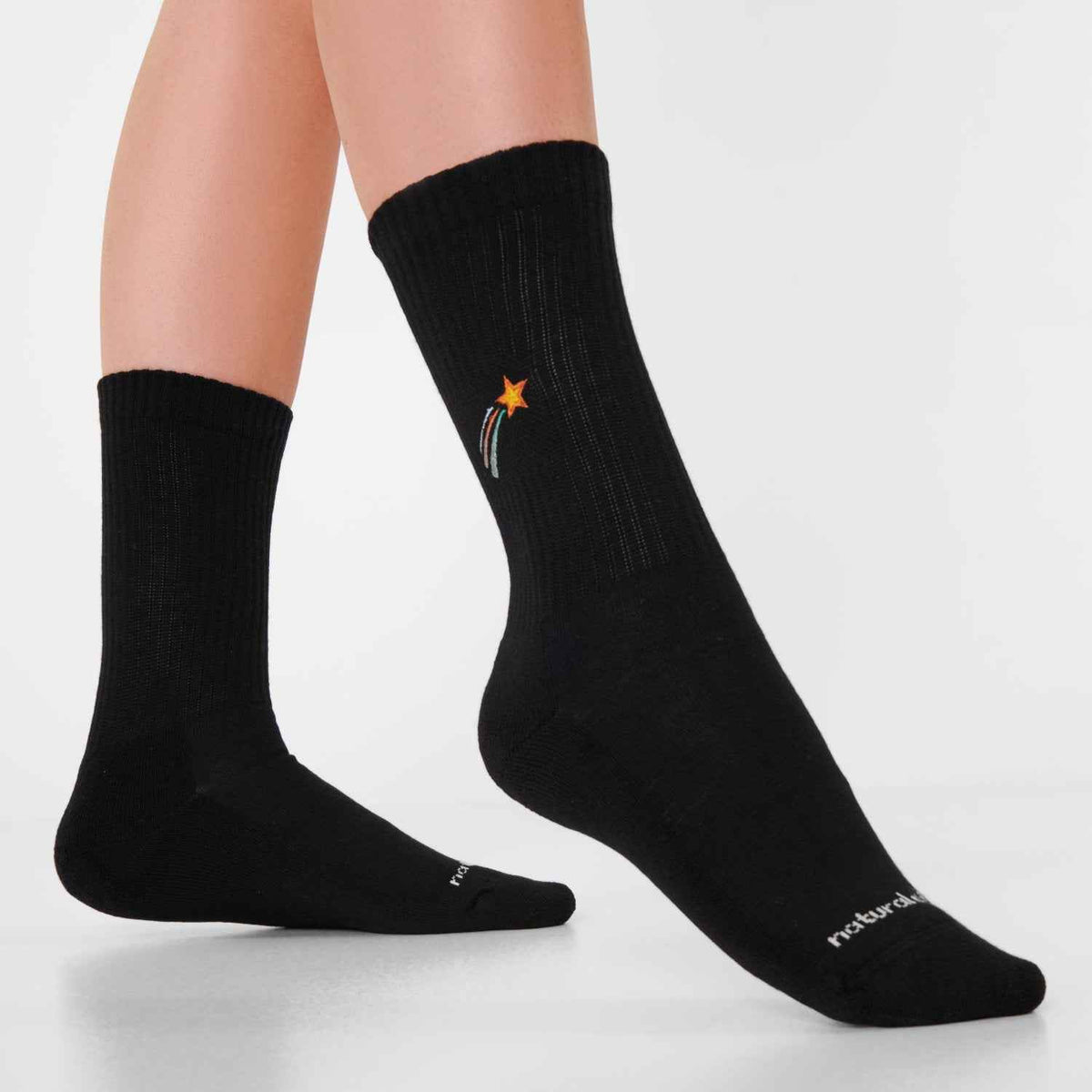
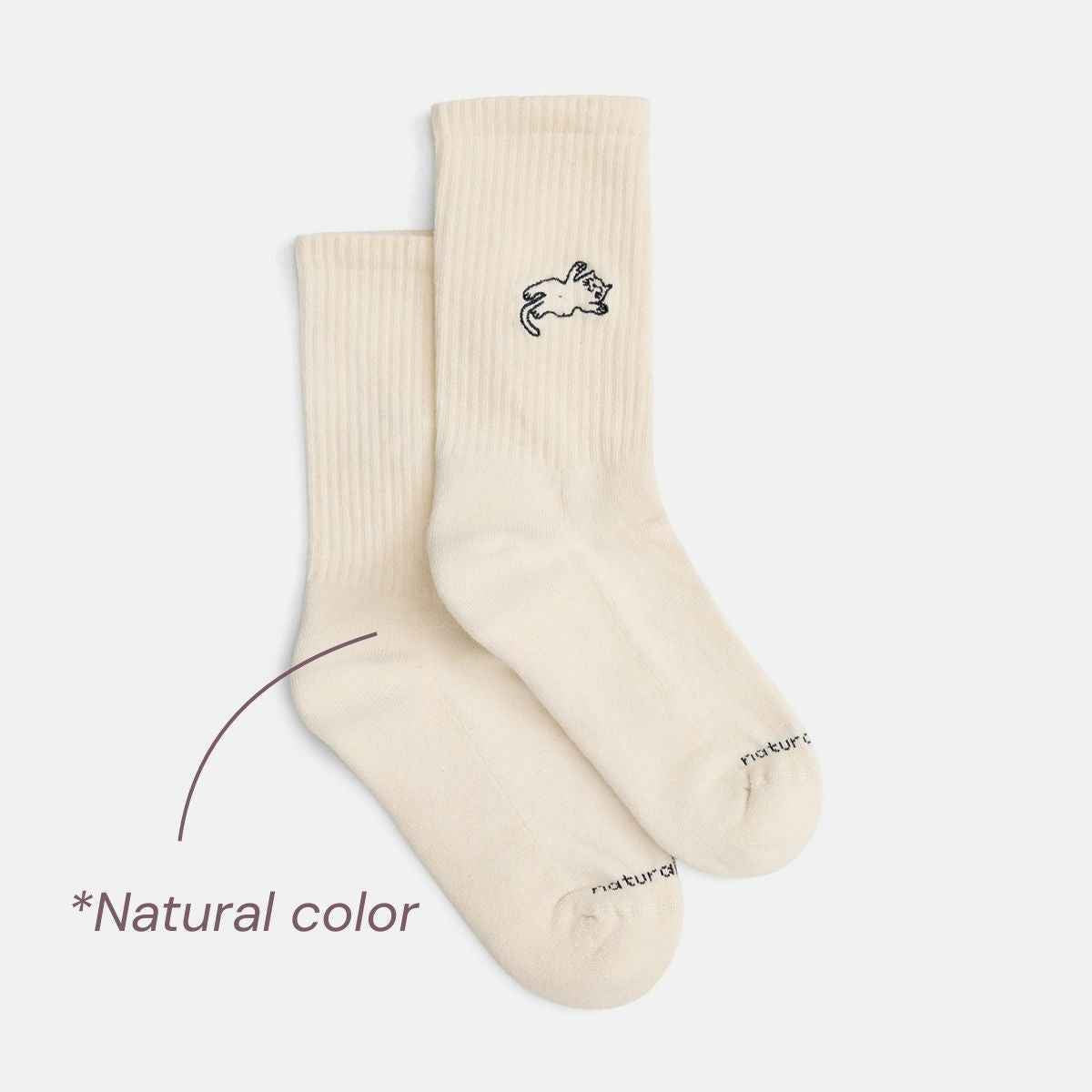
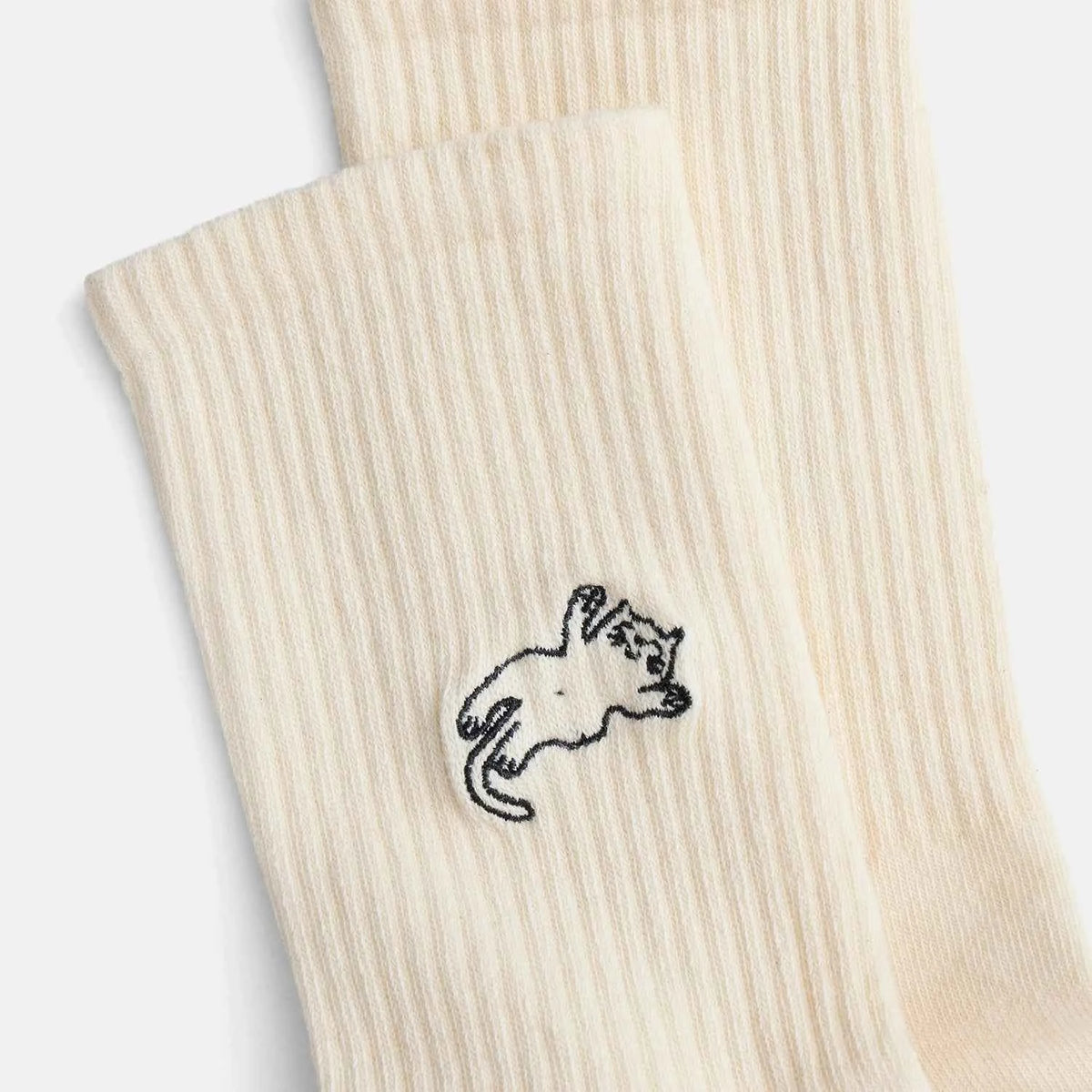
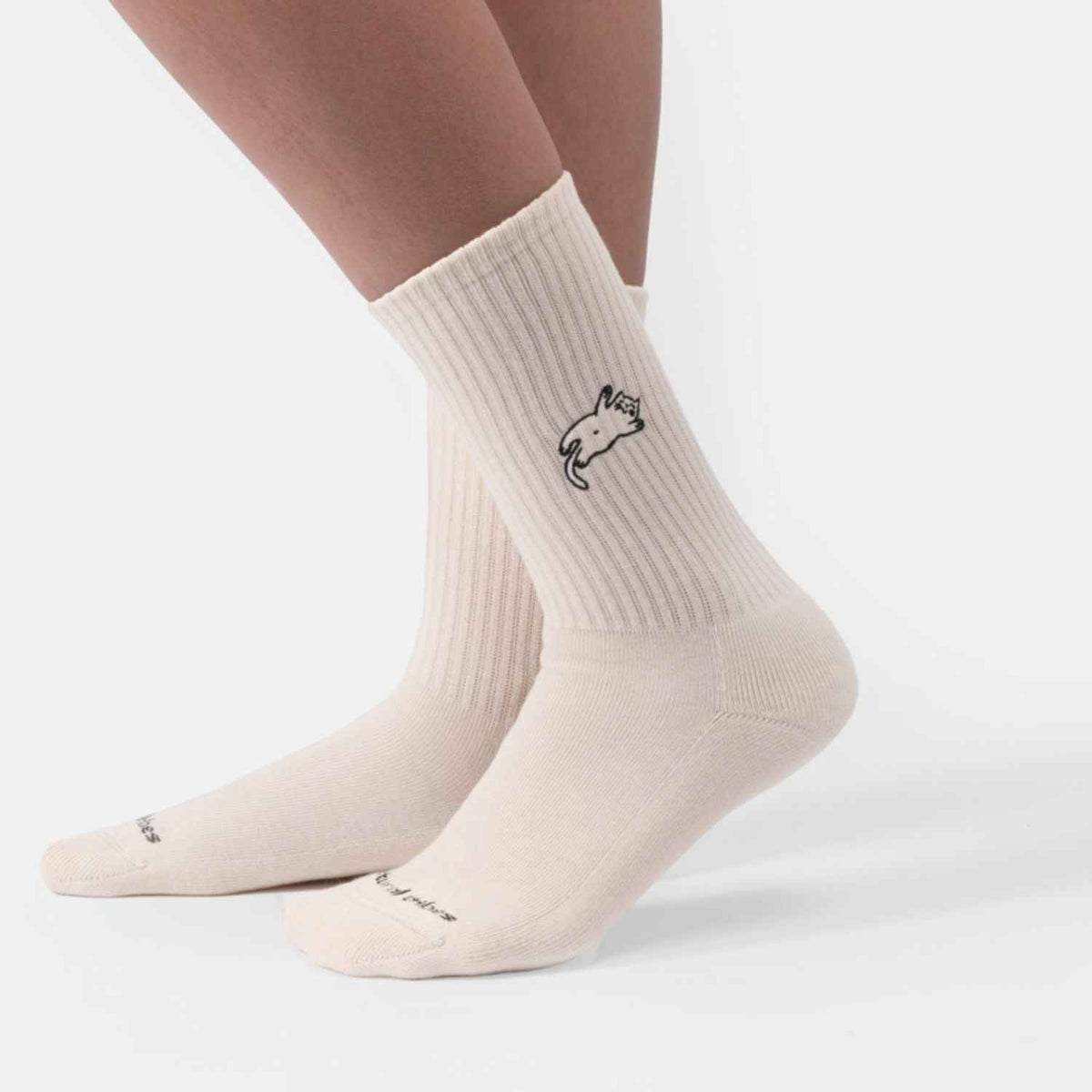
That's why we use GOTS-certified organic cotton for our socks. The certification establishes clear, verifiable requirements for materials, manufacturing processes and social conditions – aspects that matter to us just as much as comfort and design.
Our GOTS certification is issued by IDFL under certification number 021233.
You can learn more about our philosophy and commitment to more responsible textile production on our About Natural Vibes page.
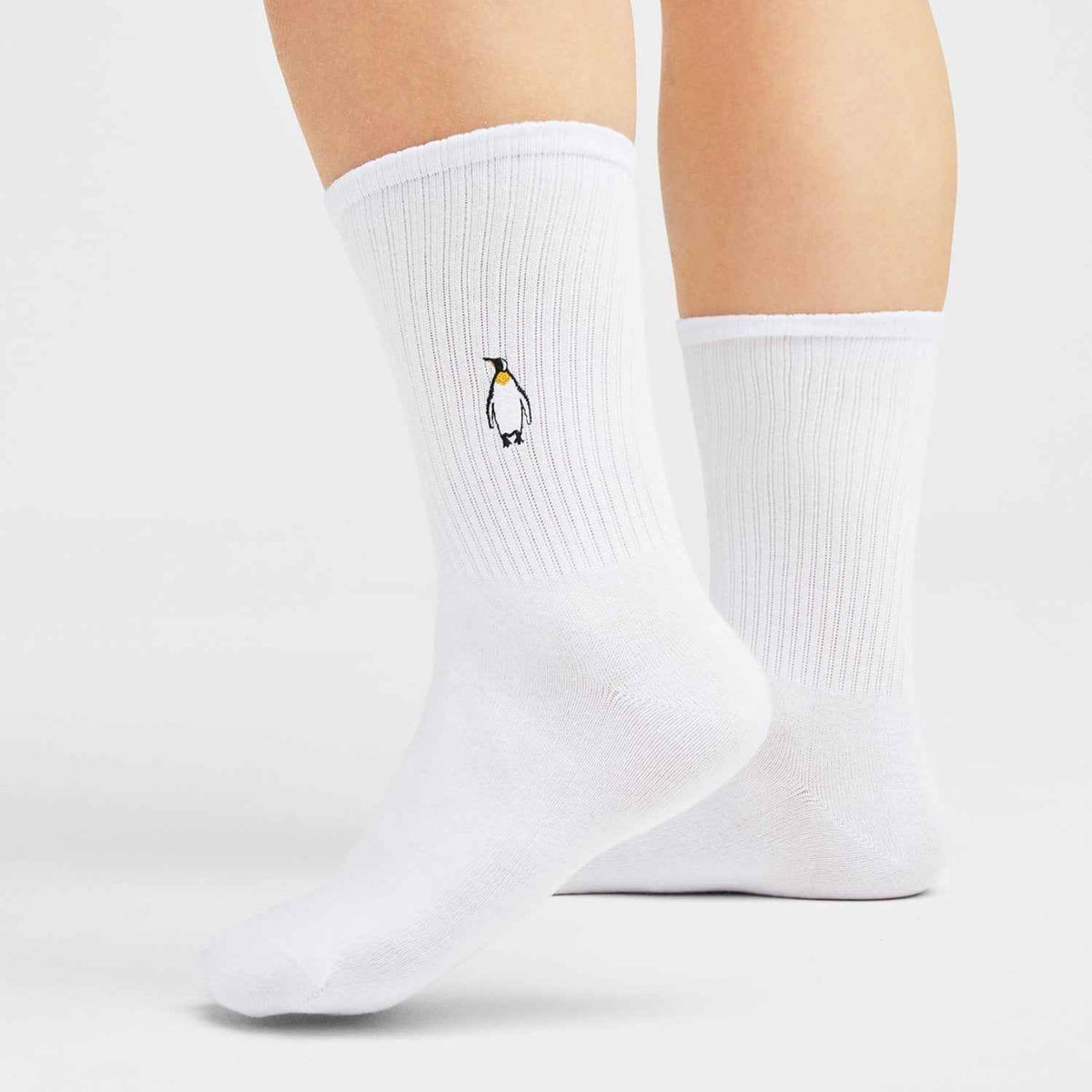
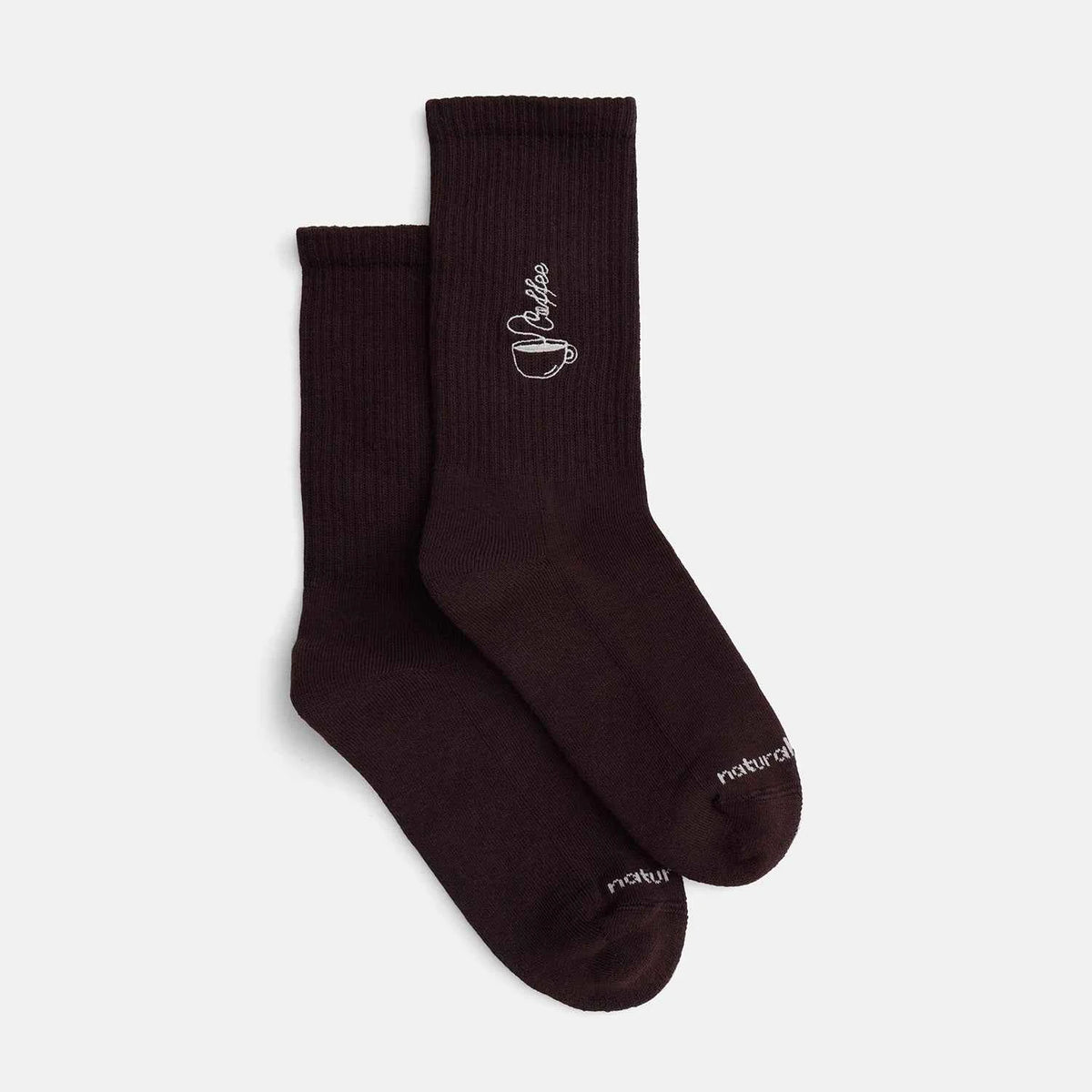
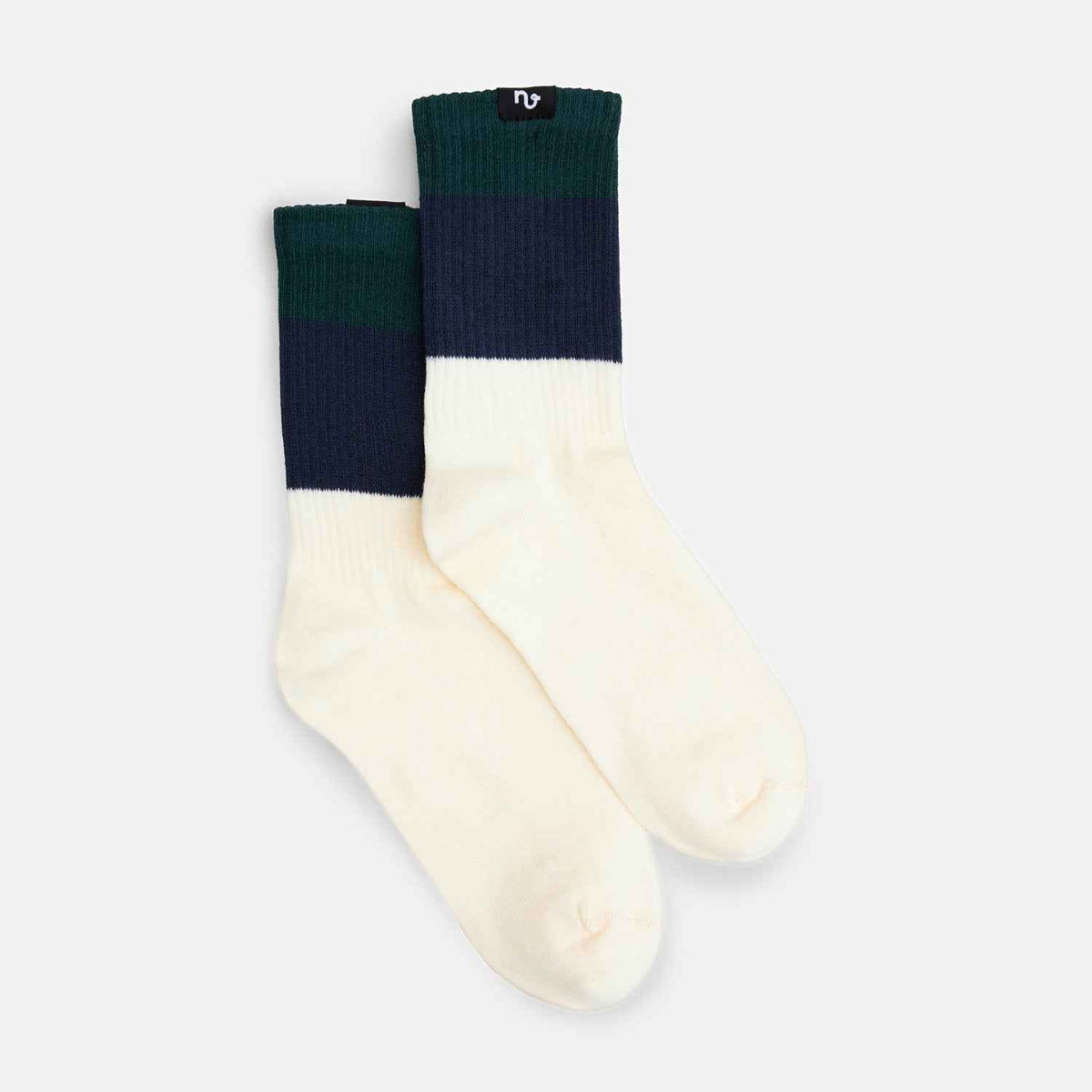
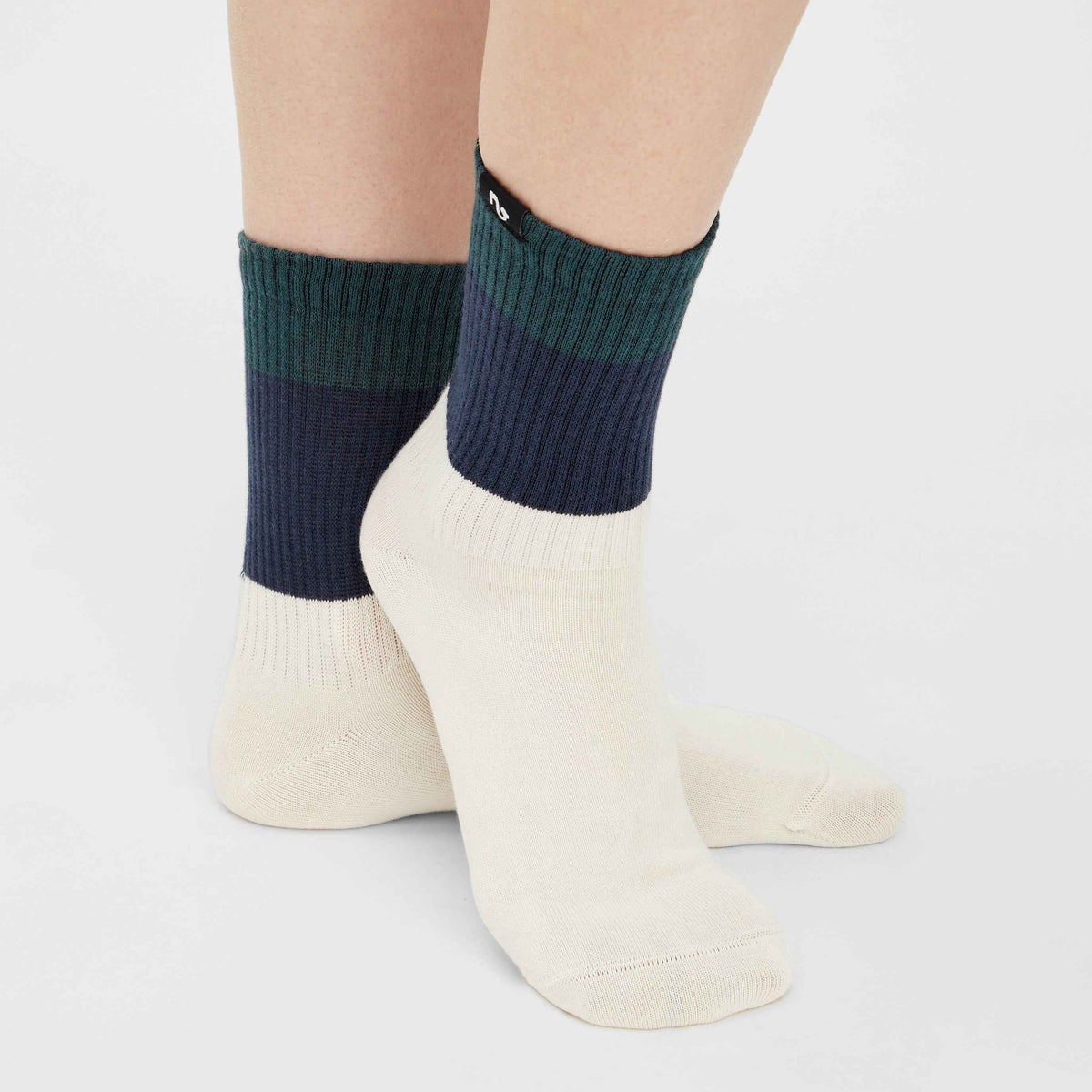
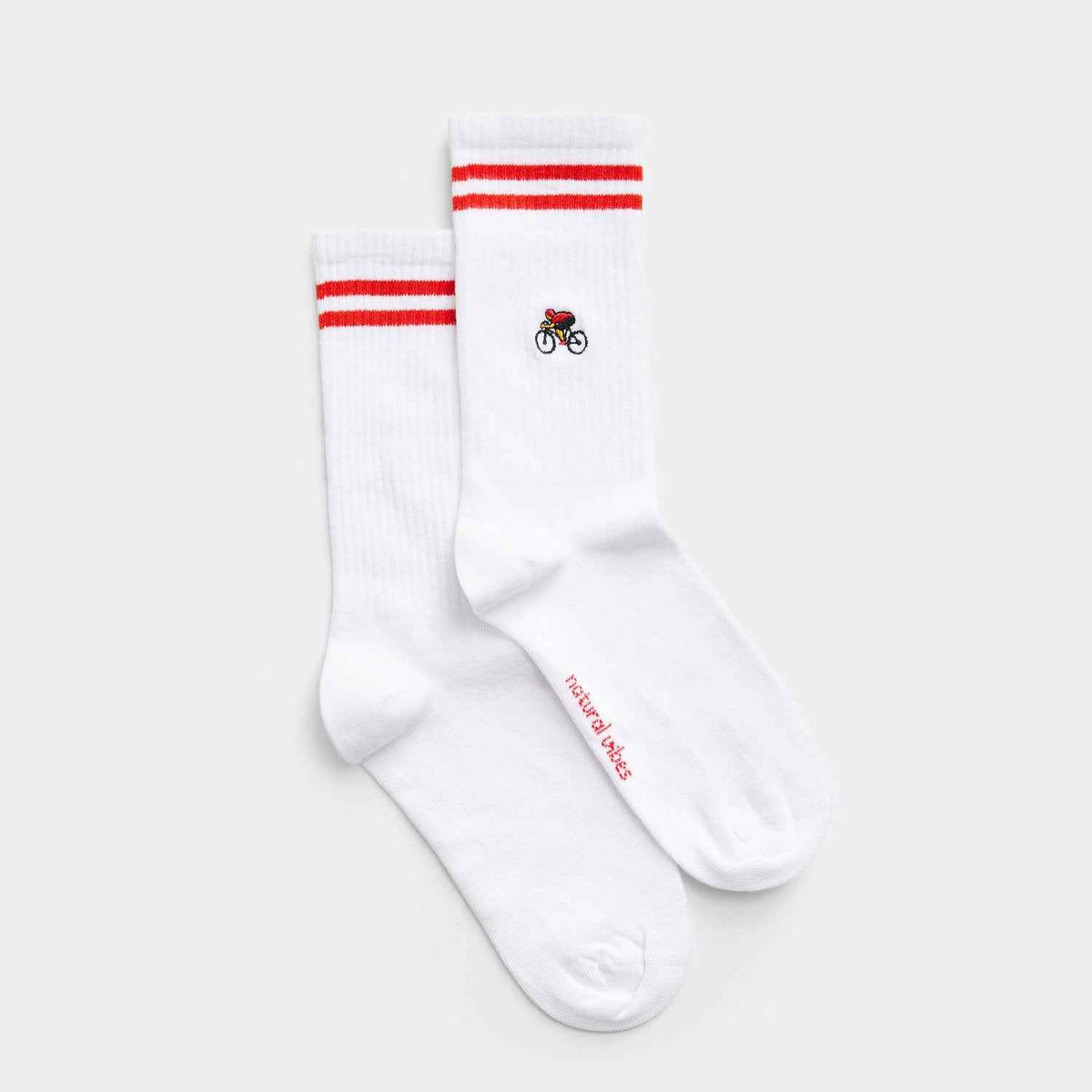
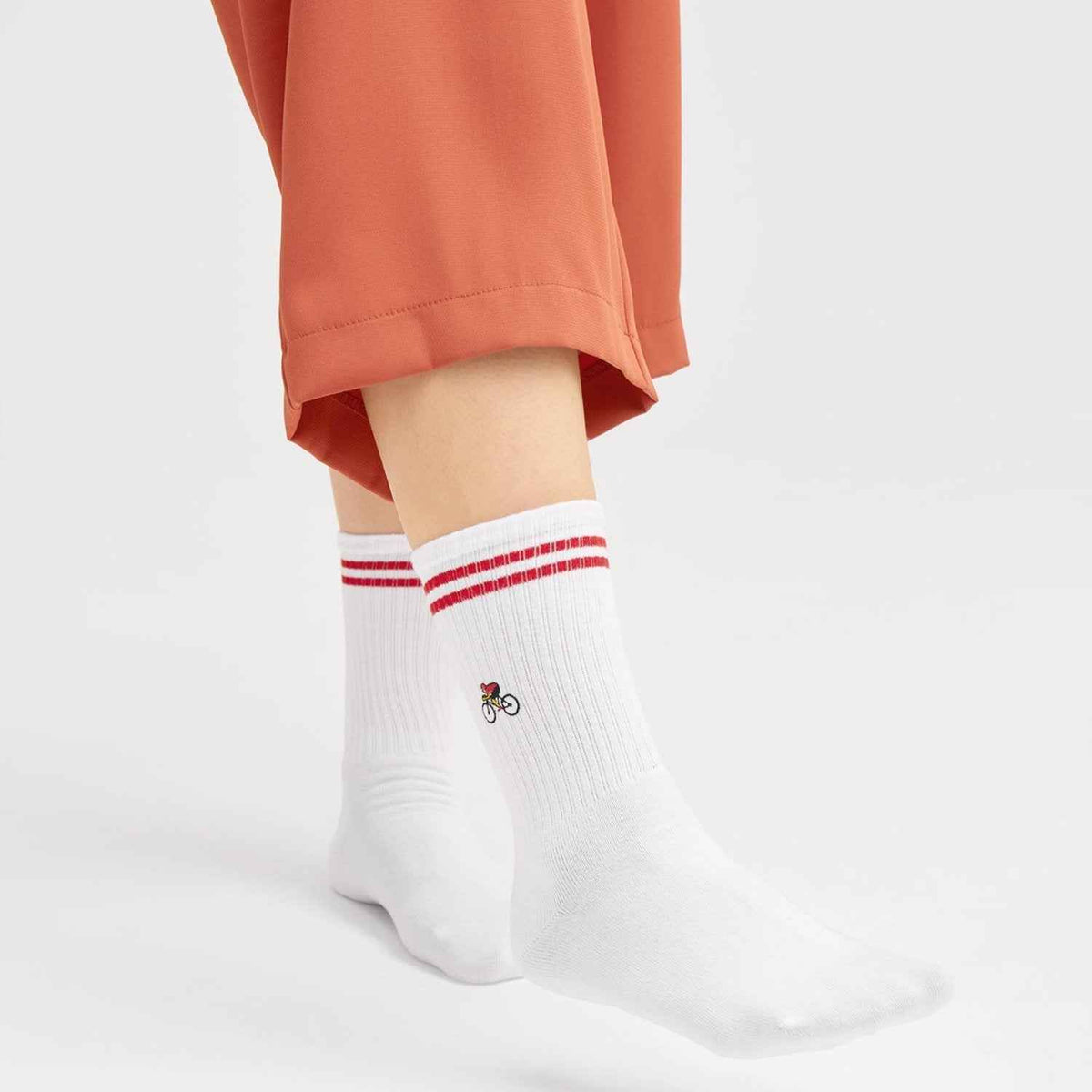
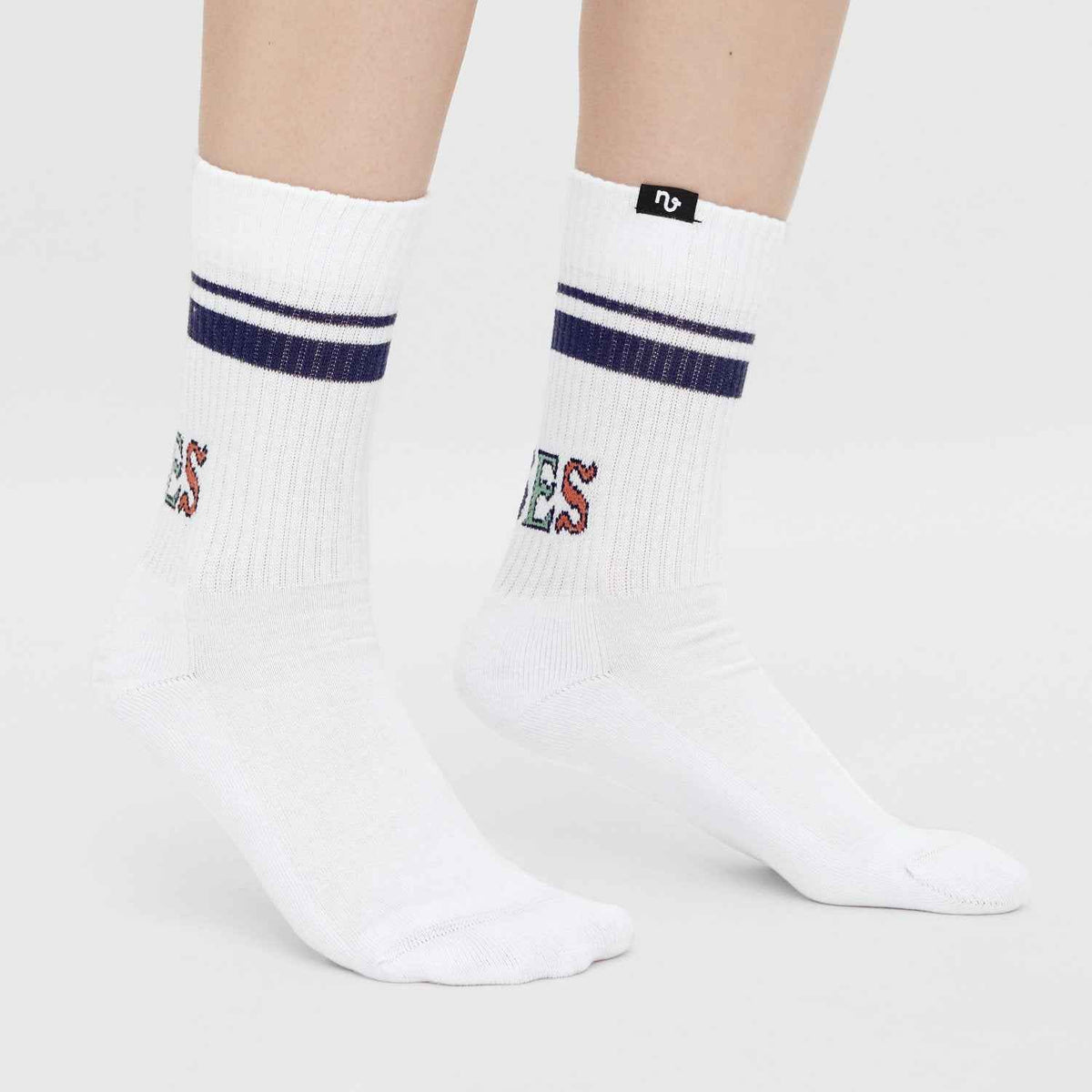
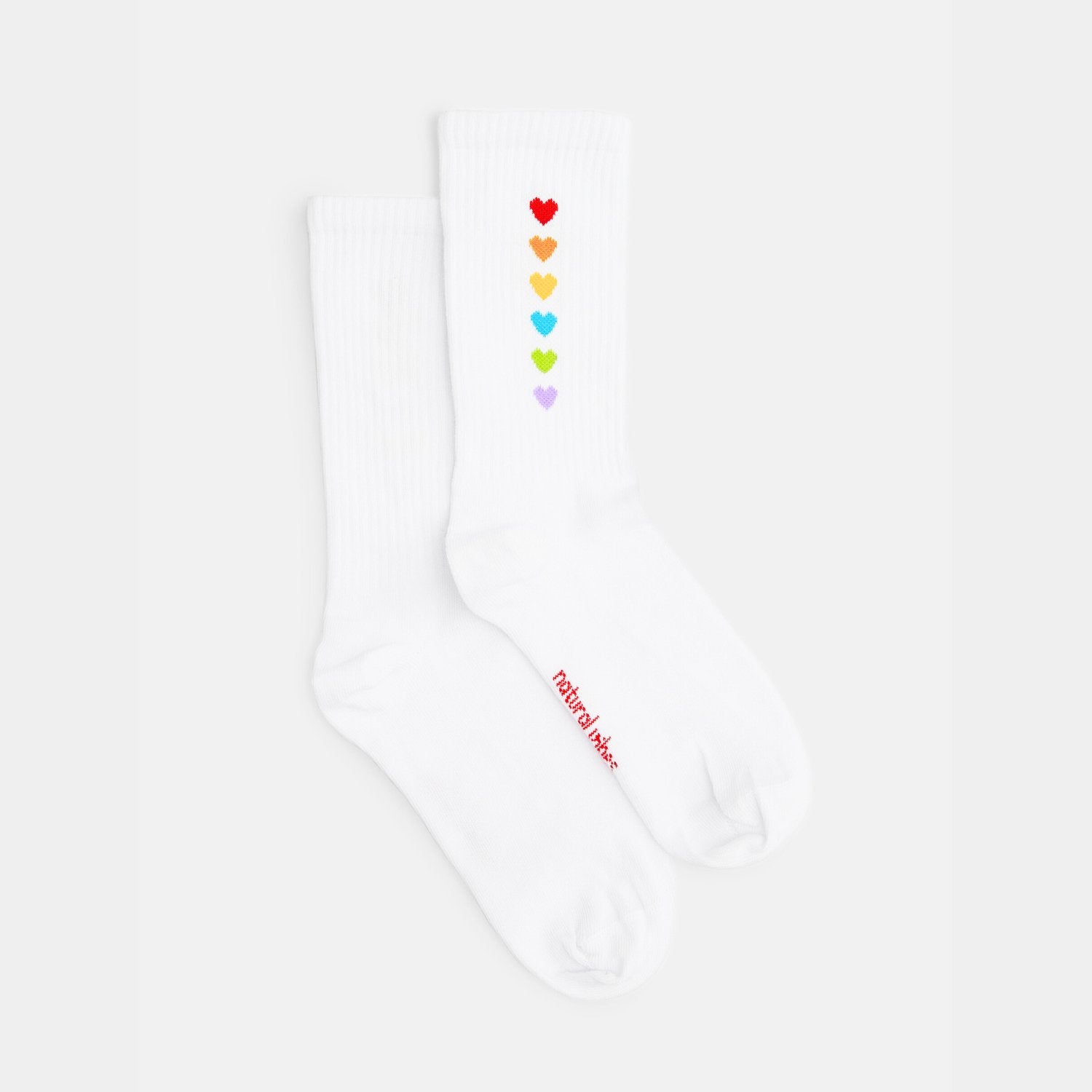
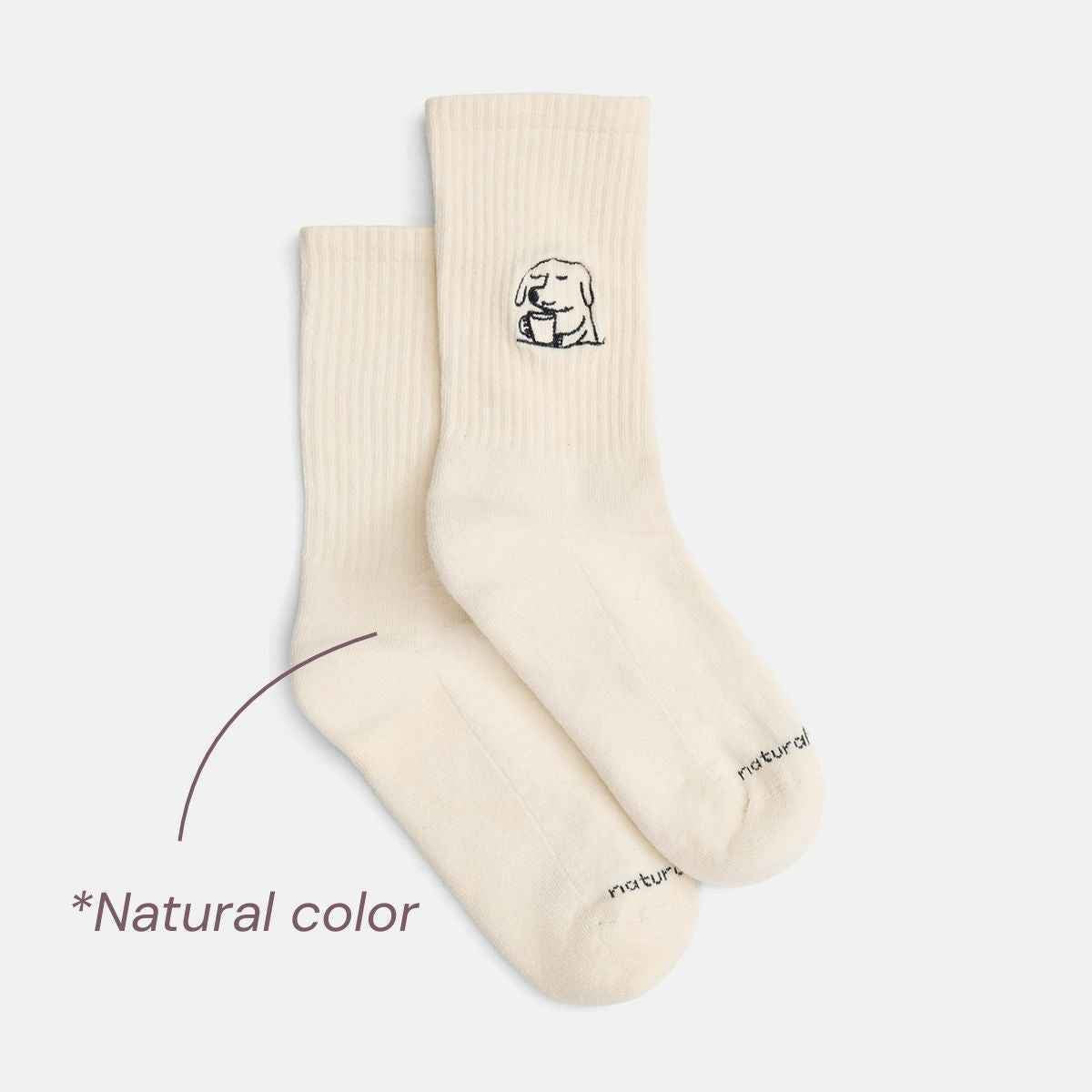
And if you'd like to combine more sustainable materials with your personal style, explore our collection of organic cotton socks – from simple everyday basics to creative statement designs.
Conclusion: A Small Label with Clear Standards
The GOTS label helps make complex textile production processes more transparent. It stands for verifiable requirements covering organic natural fibres, environmental aspects of textile manufacturing and social standards.
Of course, certification alone can't solve every challenge facing the textile industry. But it offers valuable guidance if you want to look beyond design and price when choosing what to buy.
Because even when it comes to everyday essentials like socks, it's worth taking a closer look. Great style and conscious choices make a pretty good pair, after all.