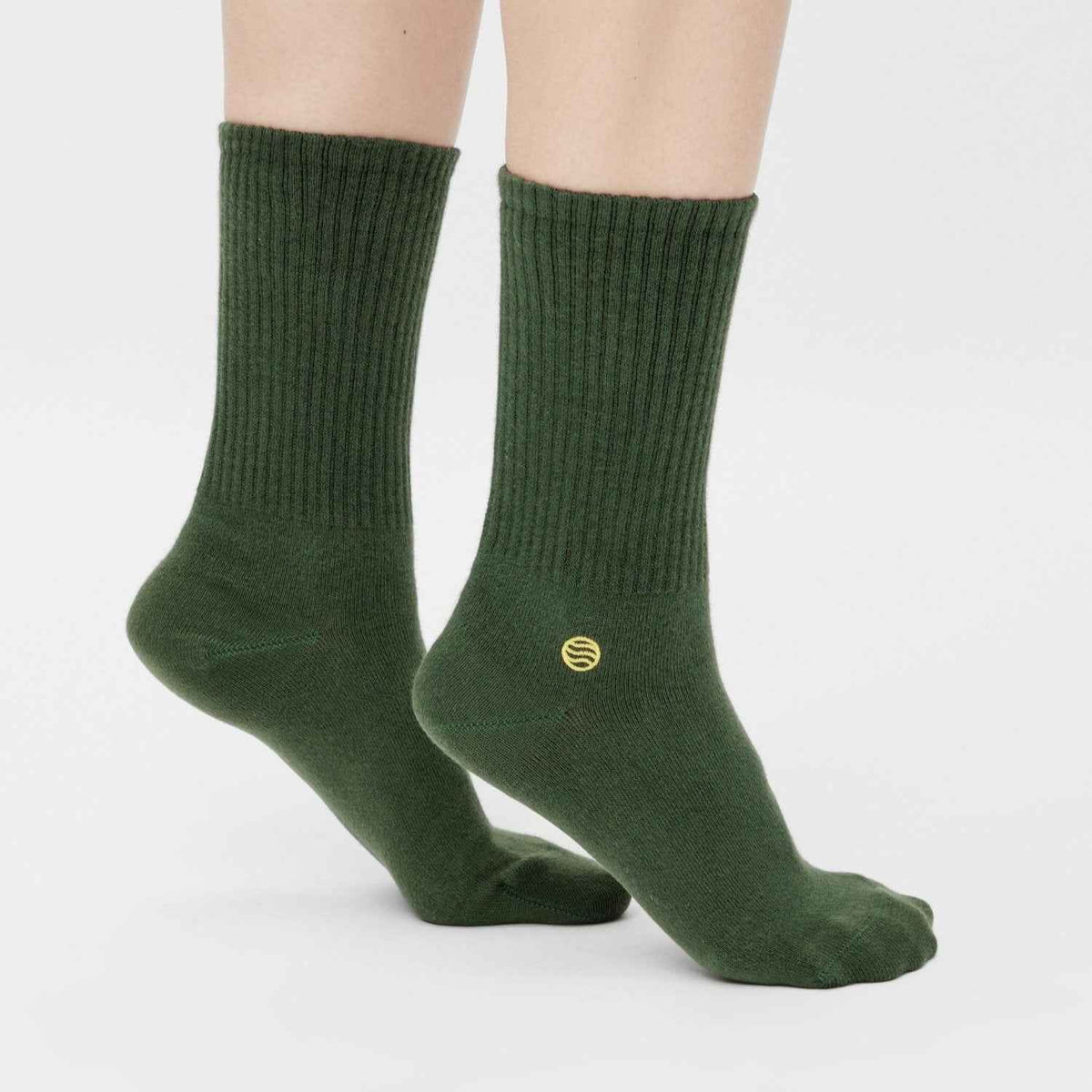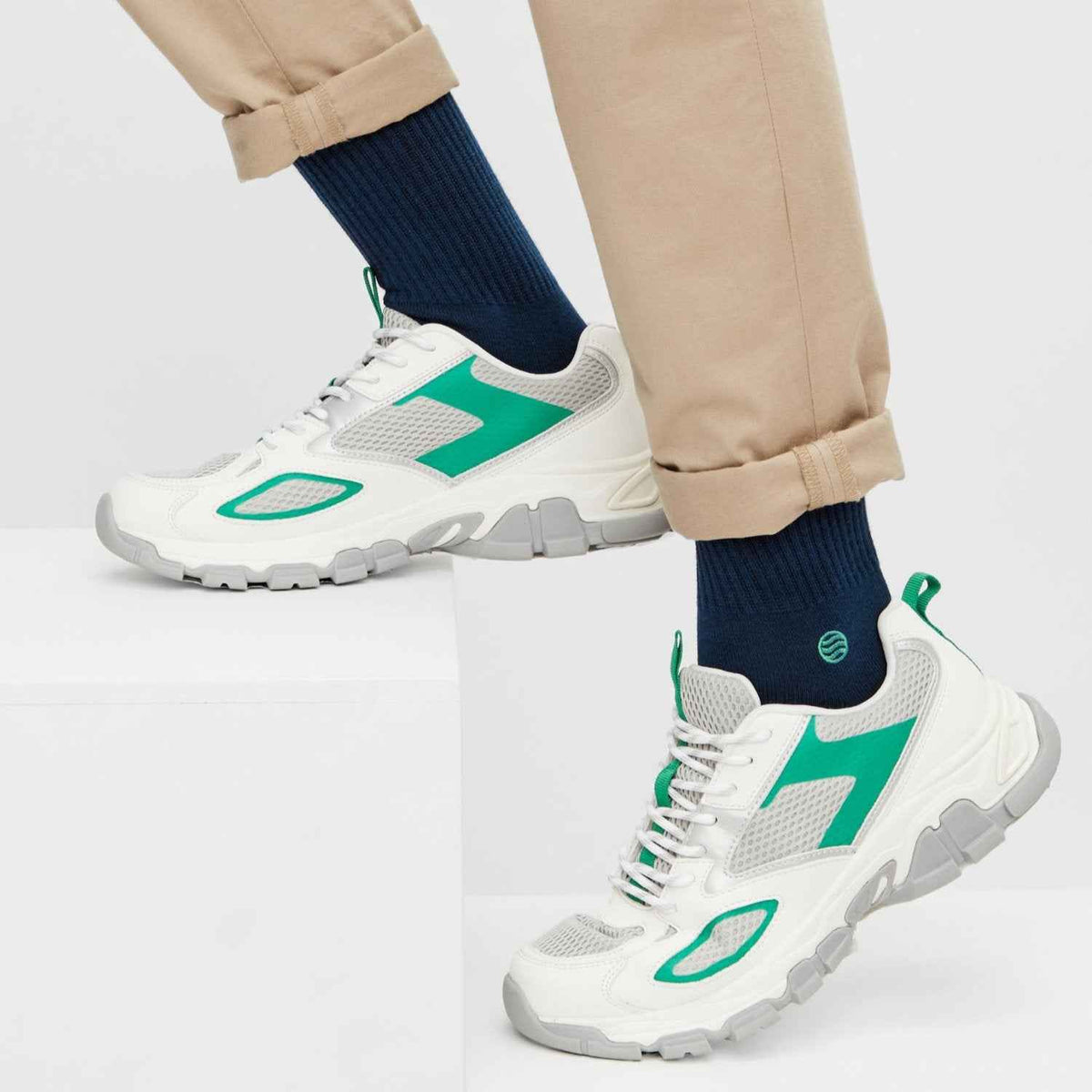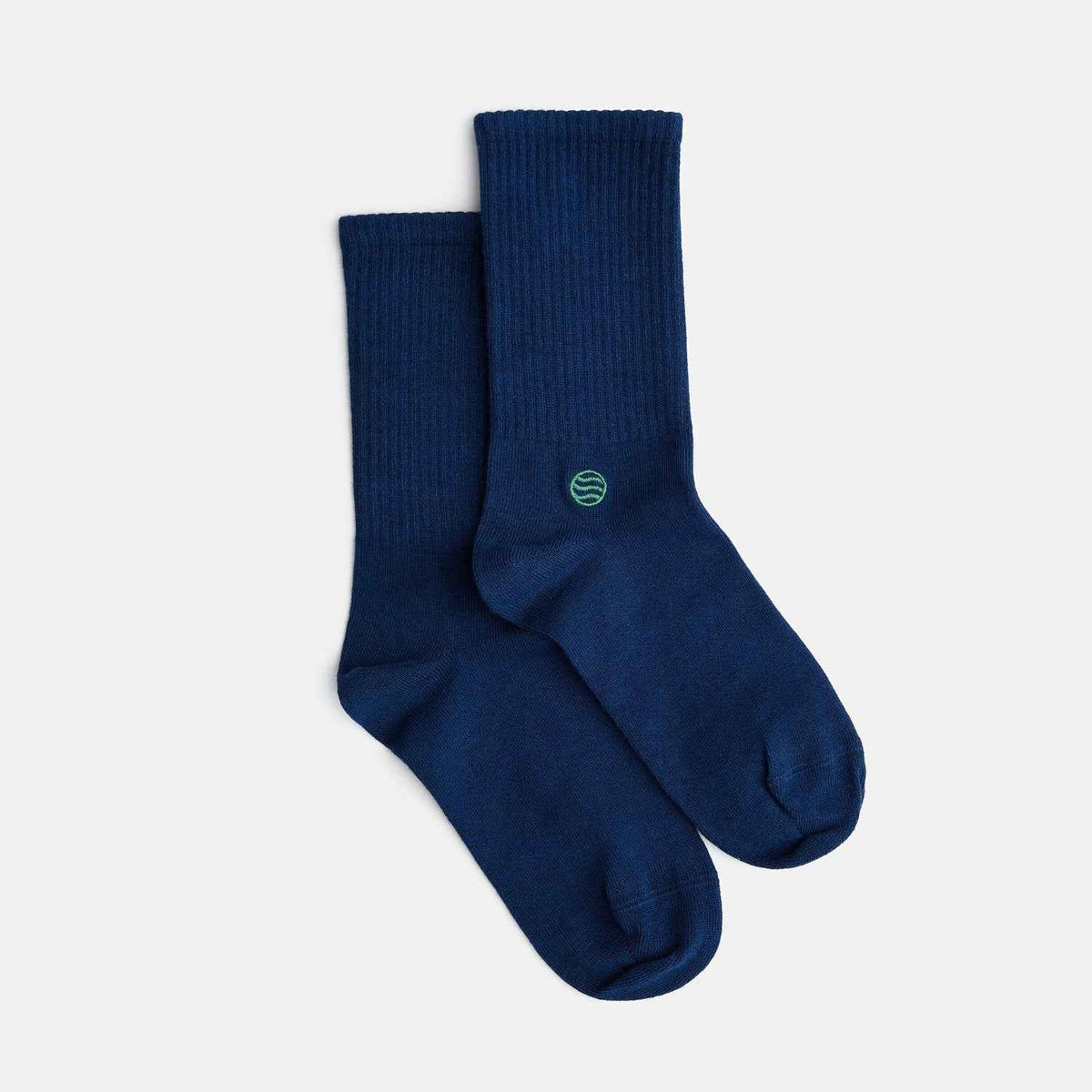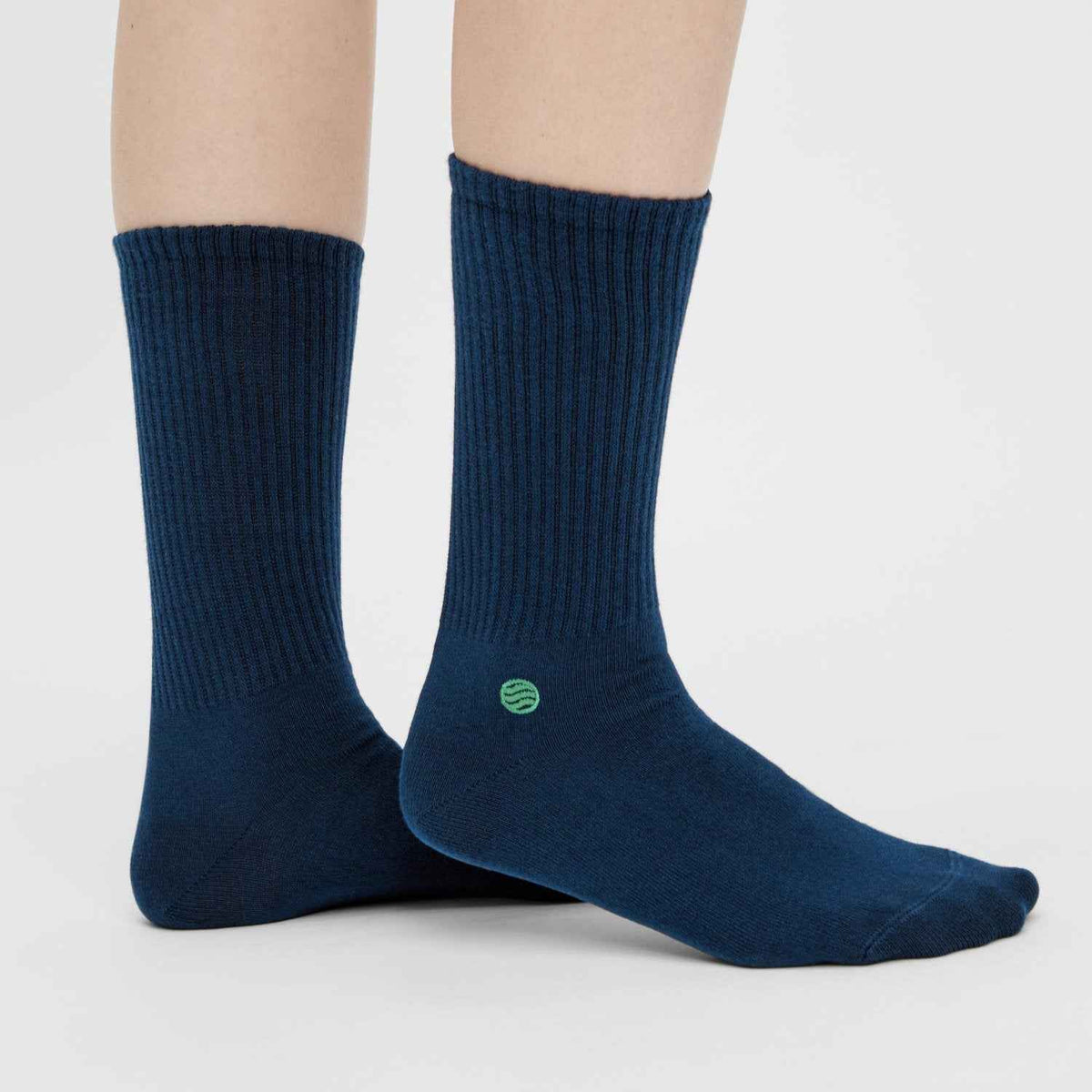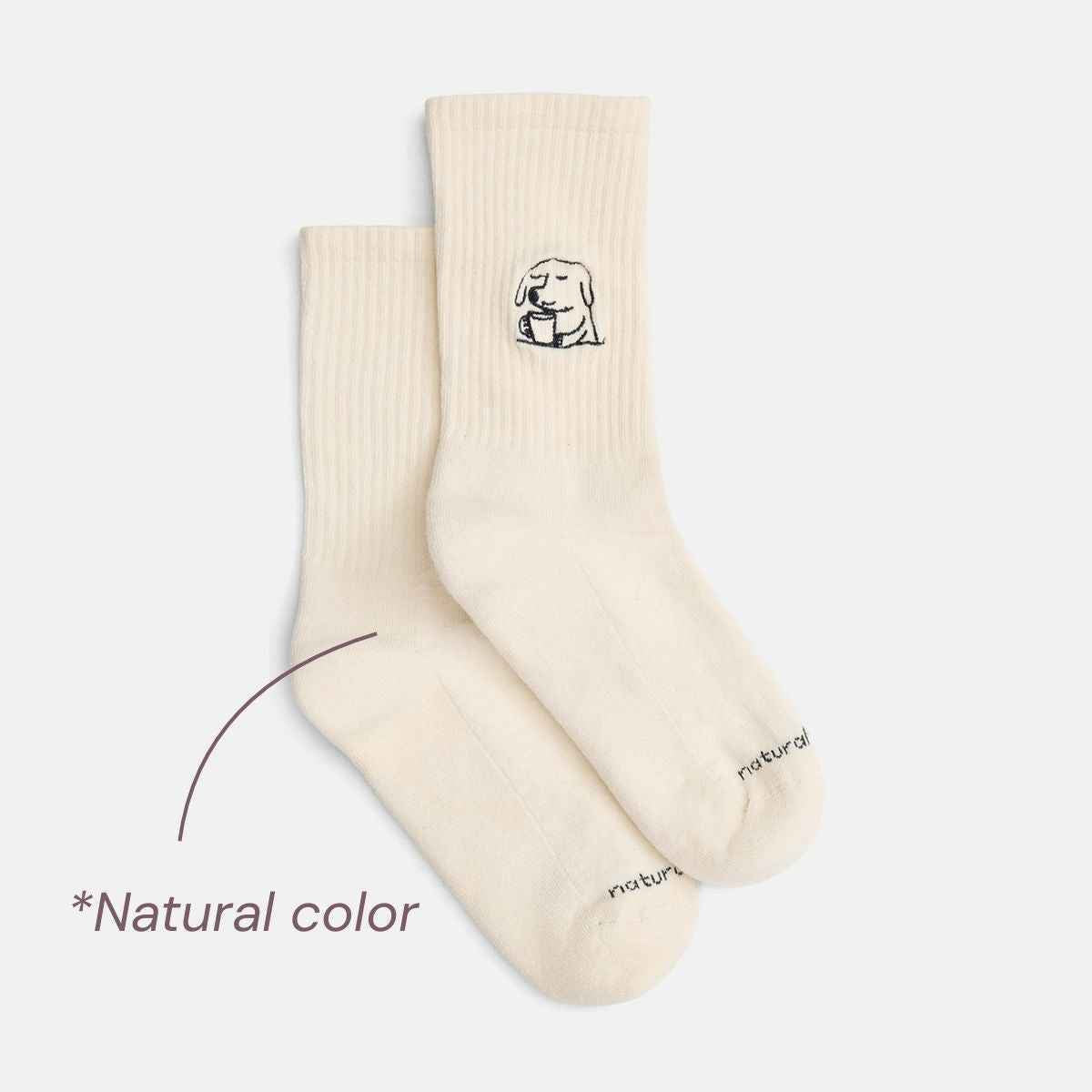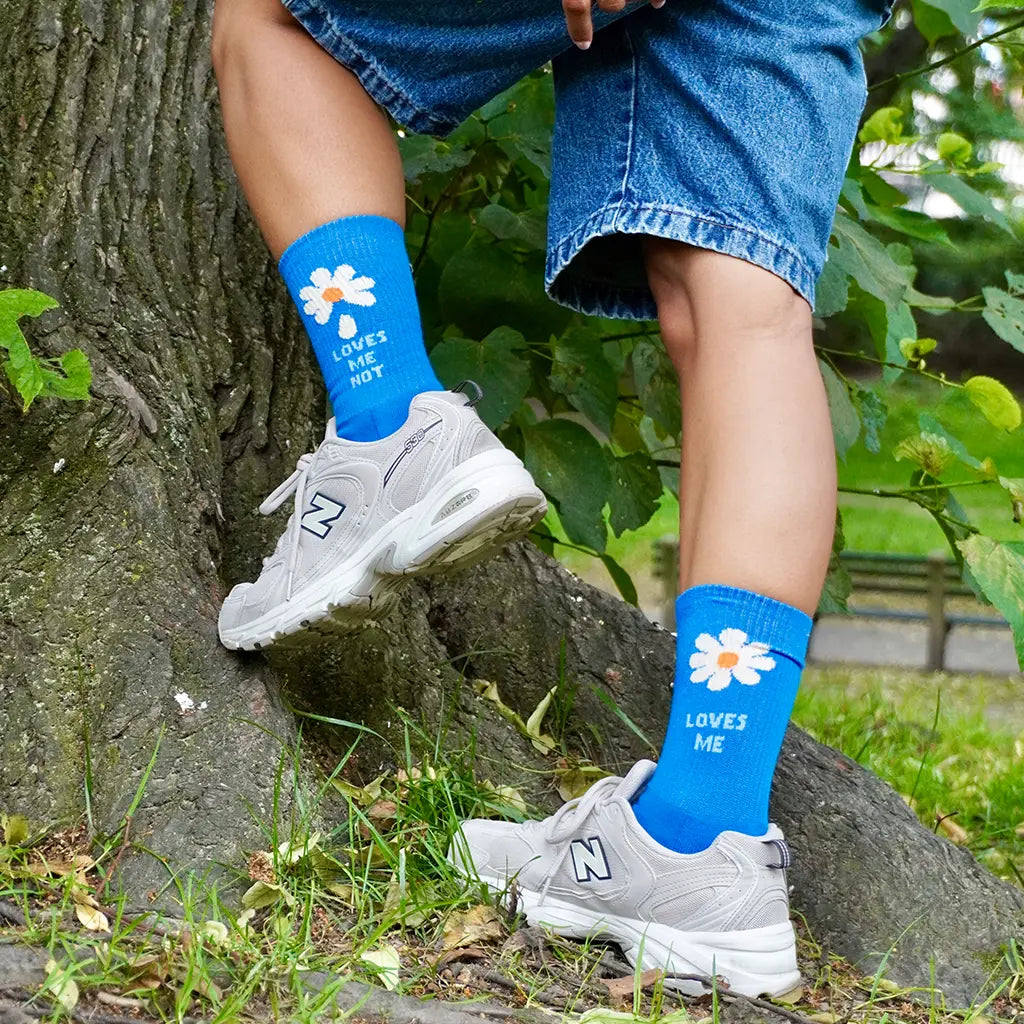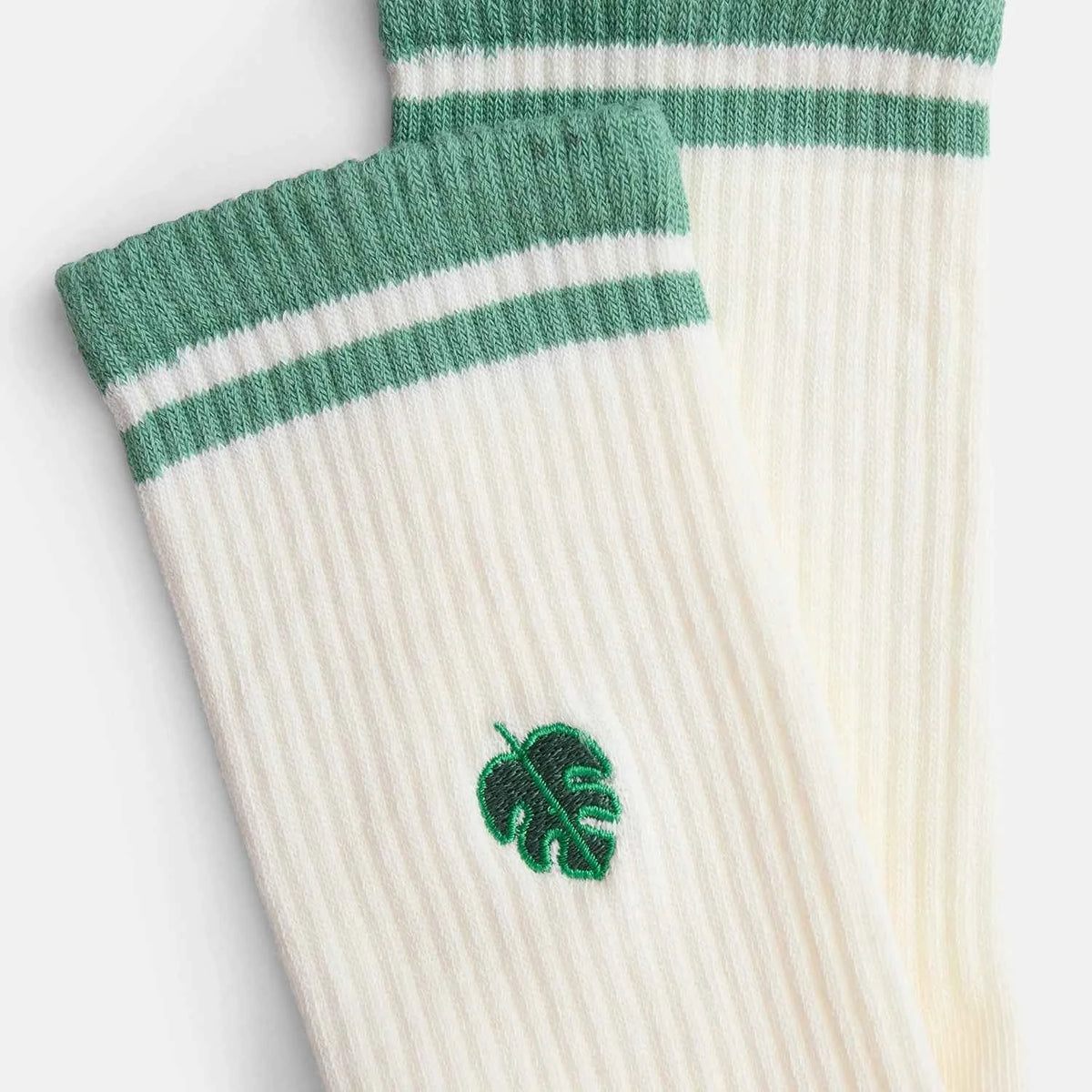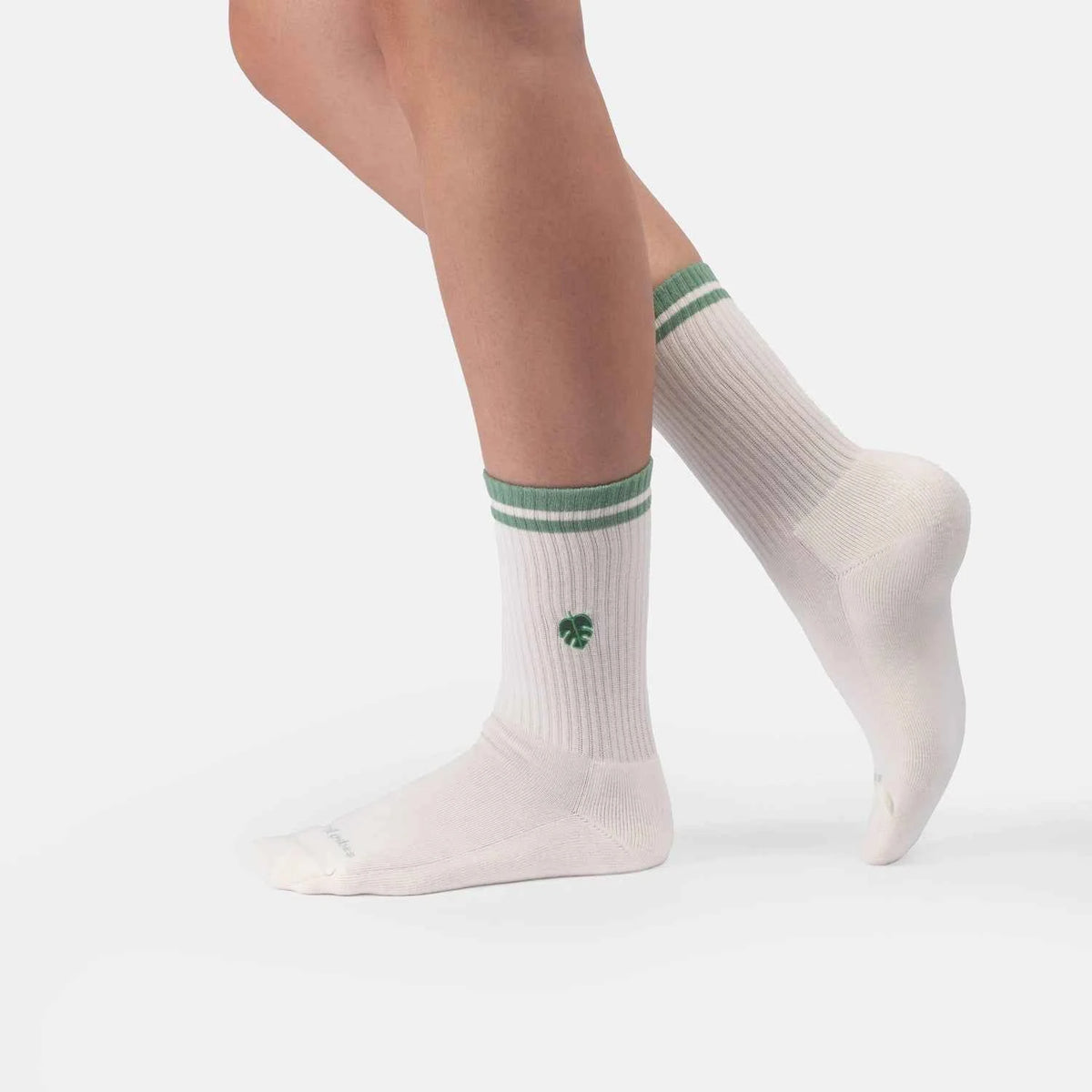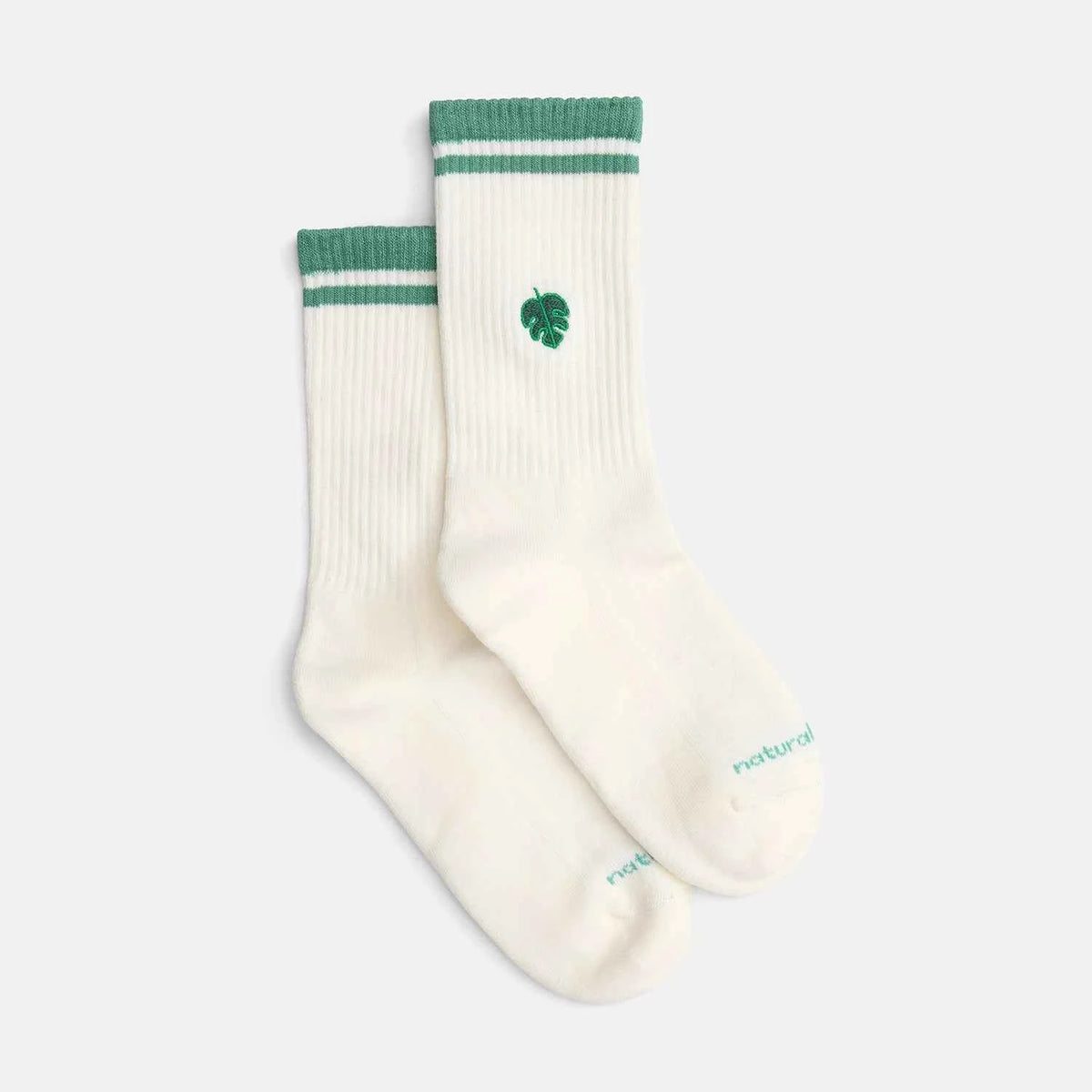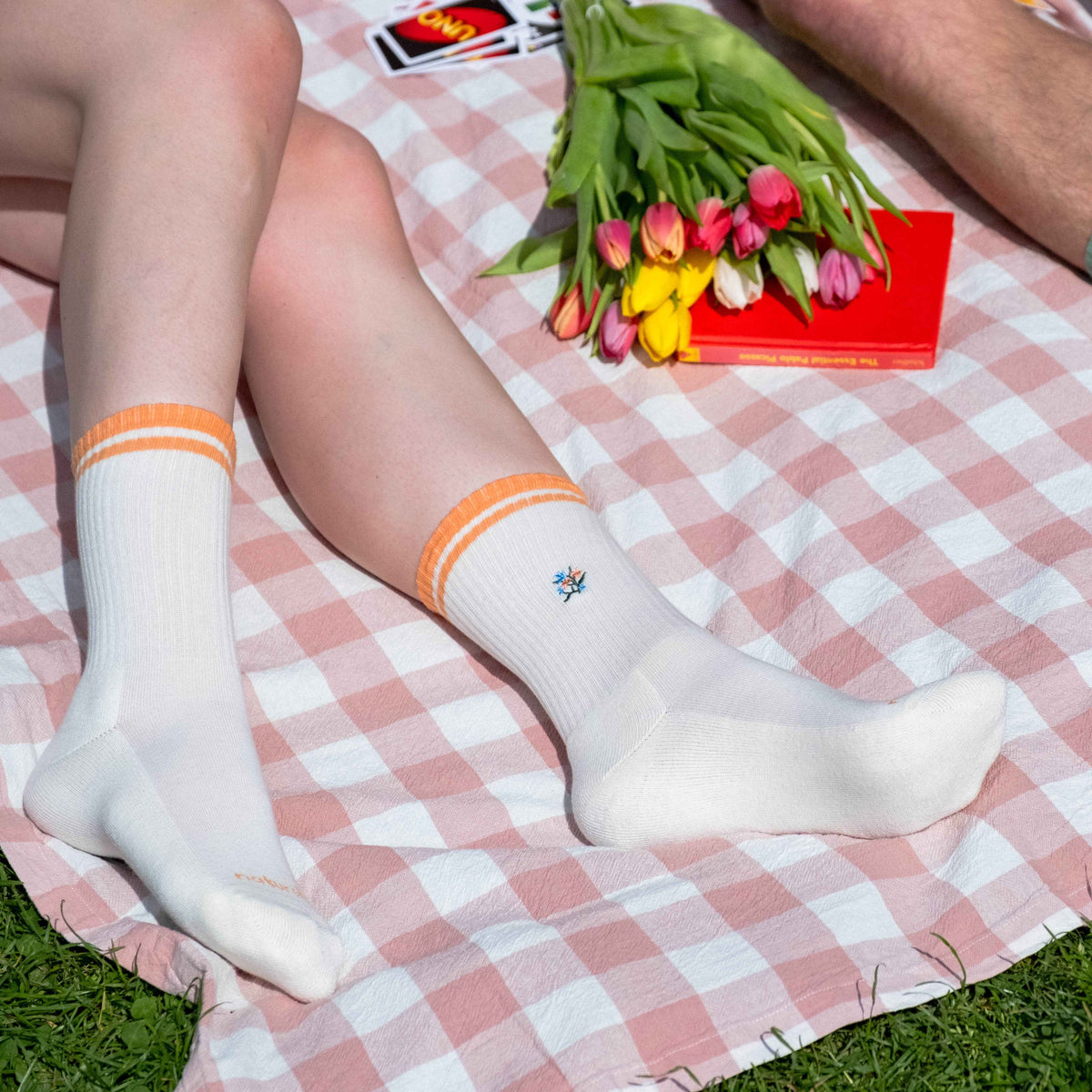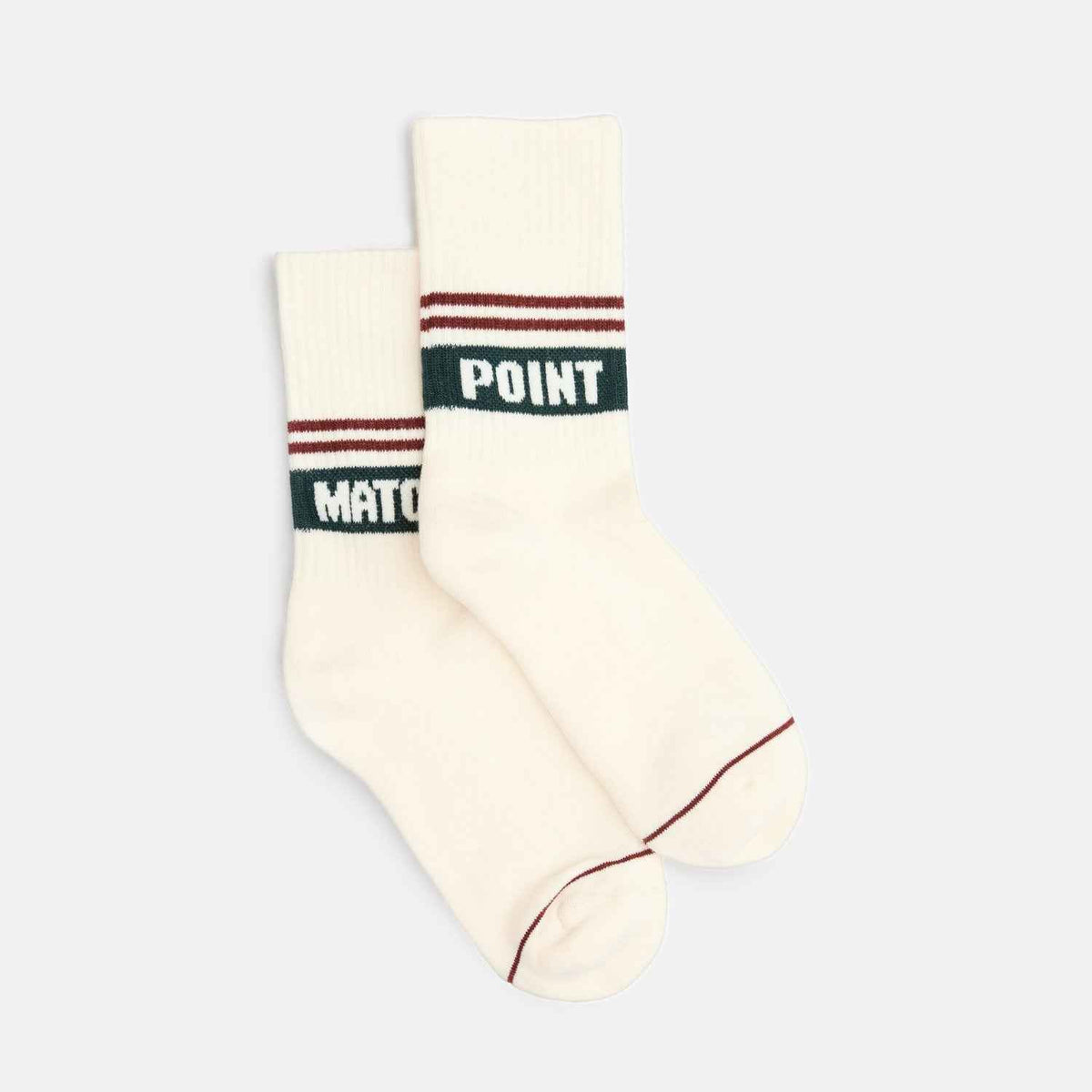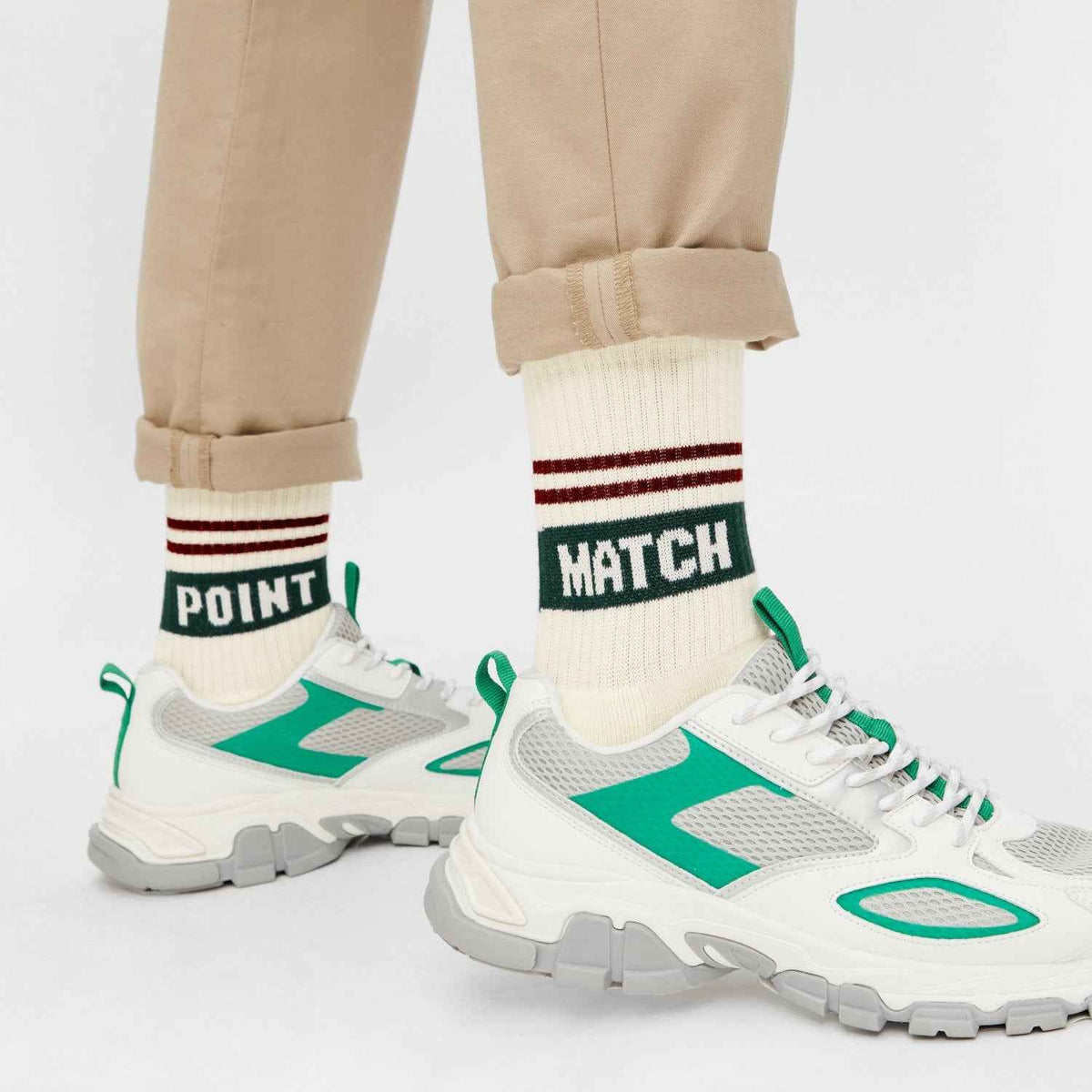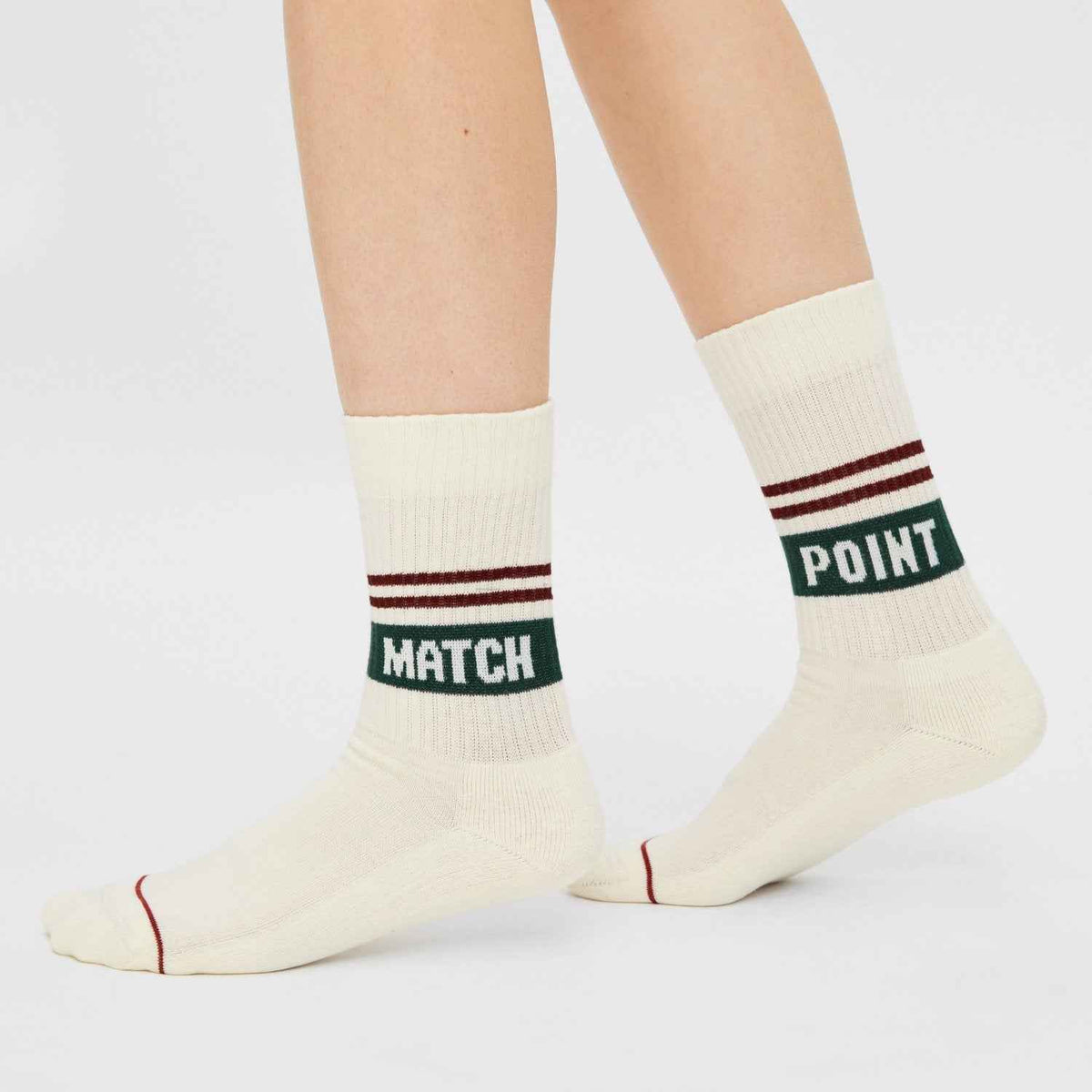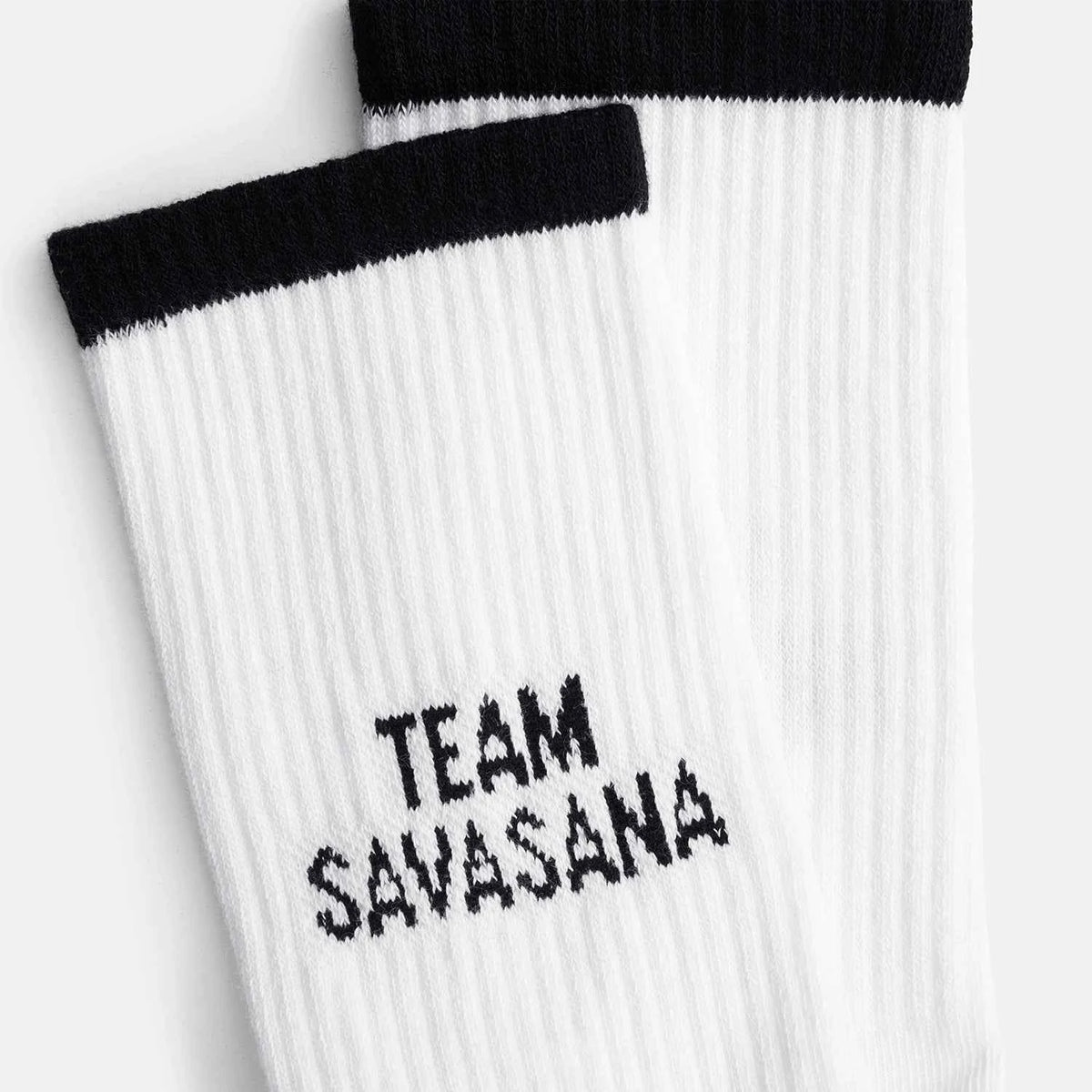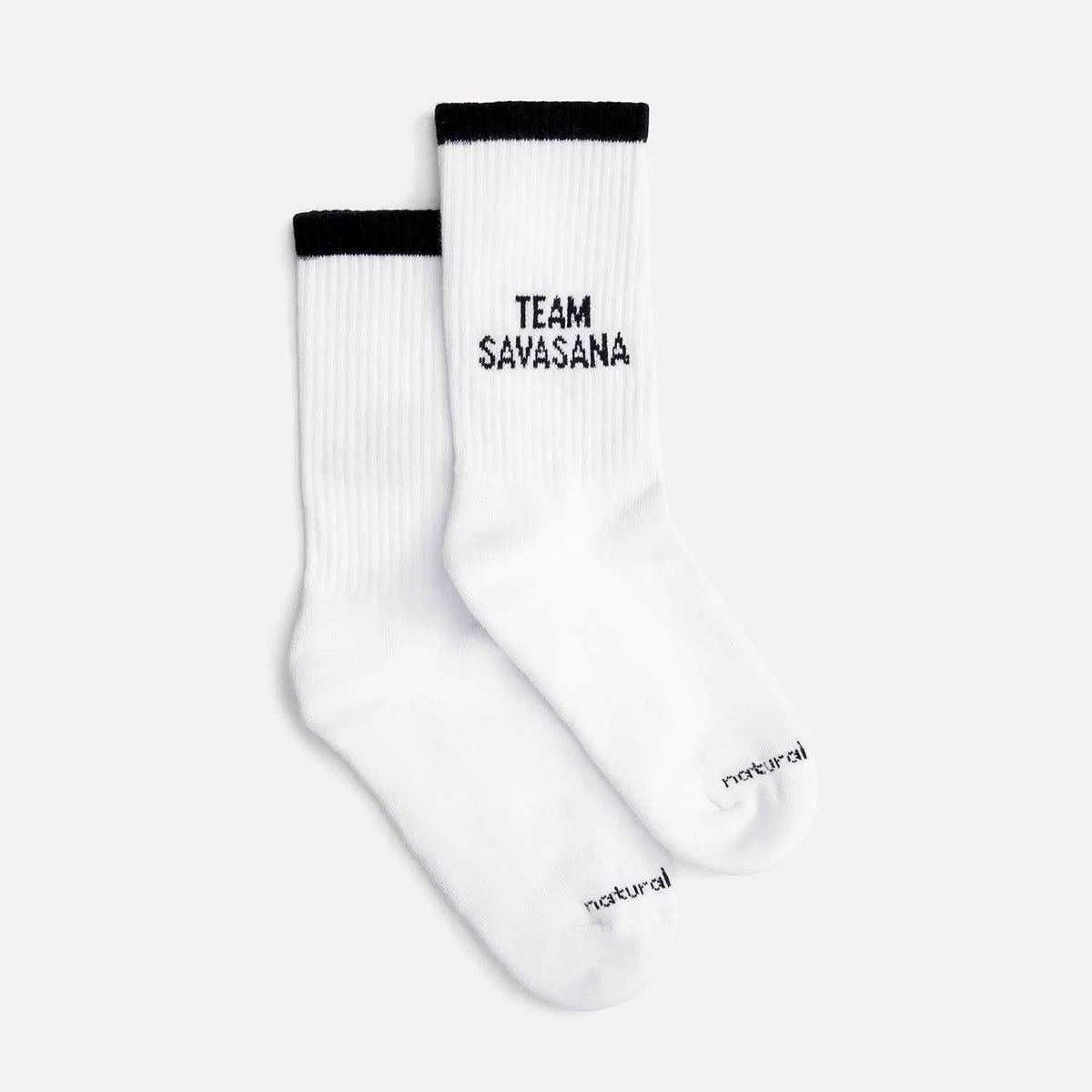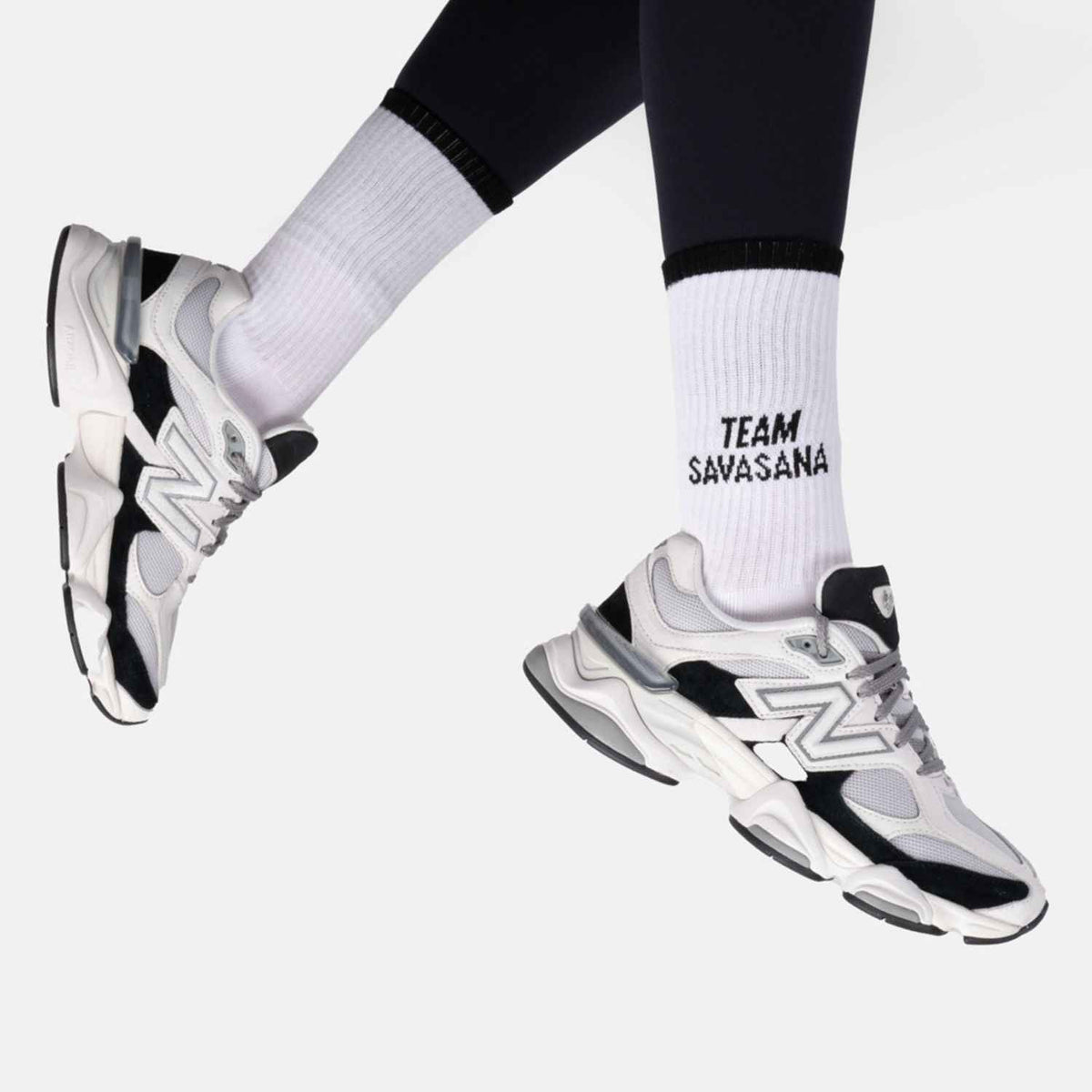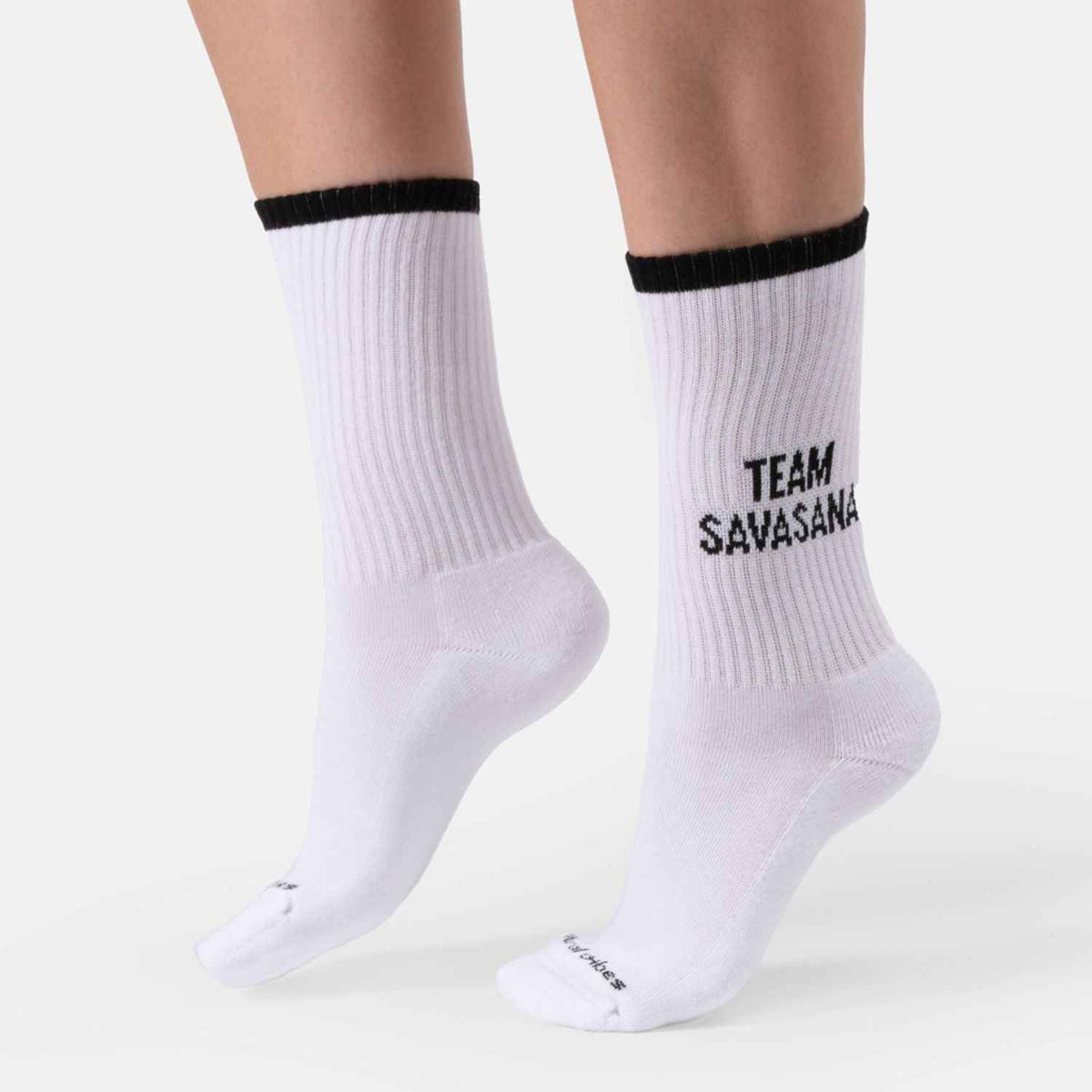


The short answer is: usually every day, and more often when needed. After all, our feet spend many hours inside socks and shoes, where heat and moisture can build up. Fresh socks don't just feel better – they're also an important part of daily foot hygiene.
Fresh socks every day – is it really necessary?
Put on a fresh pair of socks in the morning, toss them in the laundry at night – do you really need to do that every day?
Our feet sweat throughout the day. Socks absorb some of this moisture, along with dead skin cells. Bacteria and fungi also thrive in the warm, damp environment inside our shoes – and bacteria are one of the reasons our feet and socks eventually start smelling less than fresh.
That doesn't mean your everyday socks automatically become a biological hazard after eight hours, but the more time bacteria have, the more they can multiply. That's why changing your socks once a day is simply a sensible routine.
If you wear socks to bed, make sure you put on a fresh, breathable pair, preferably made from cotton. It's best to leave the socks you've already worn inside your outdoor shoes out of bed.
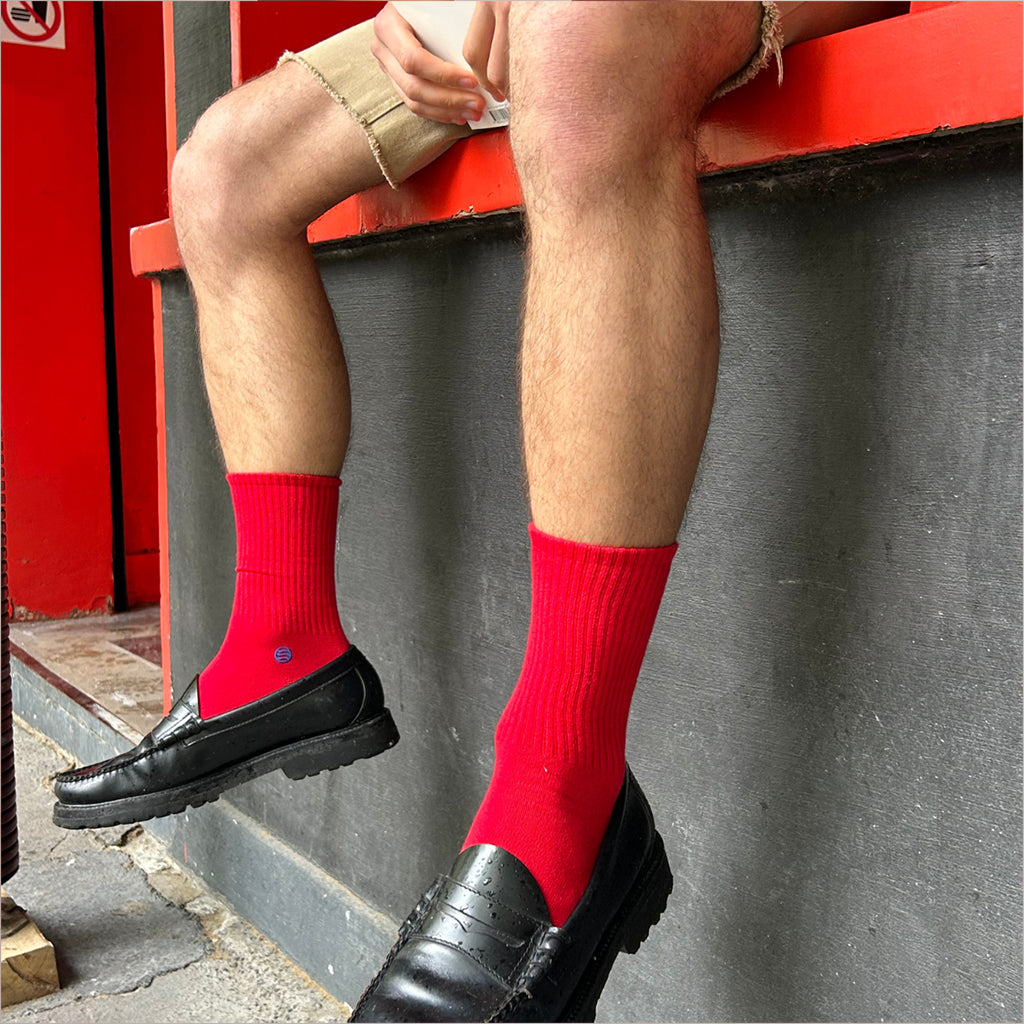
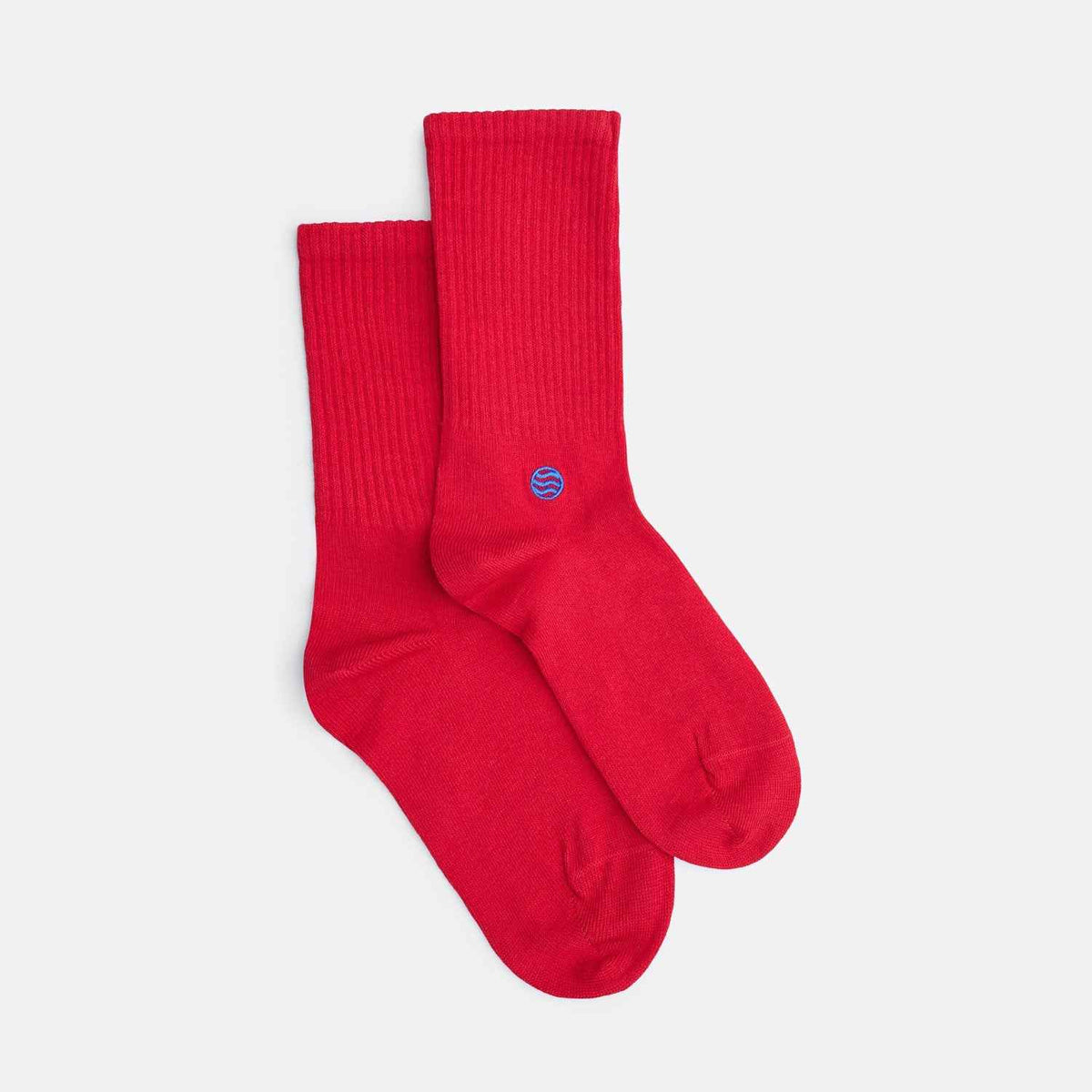
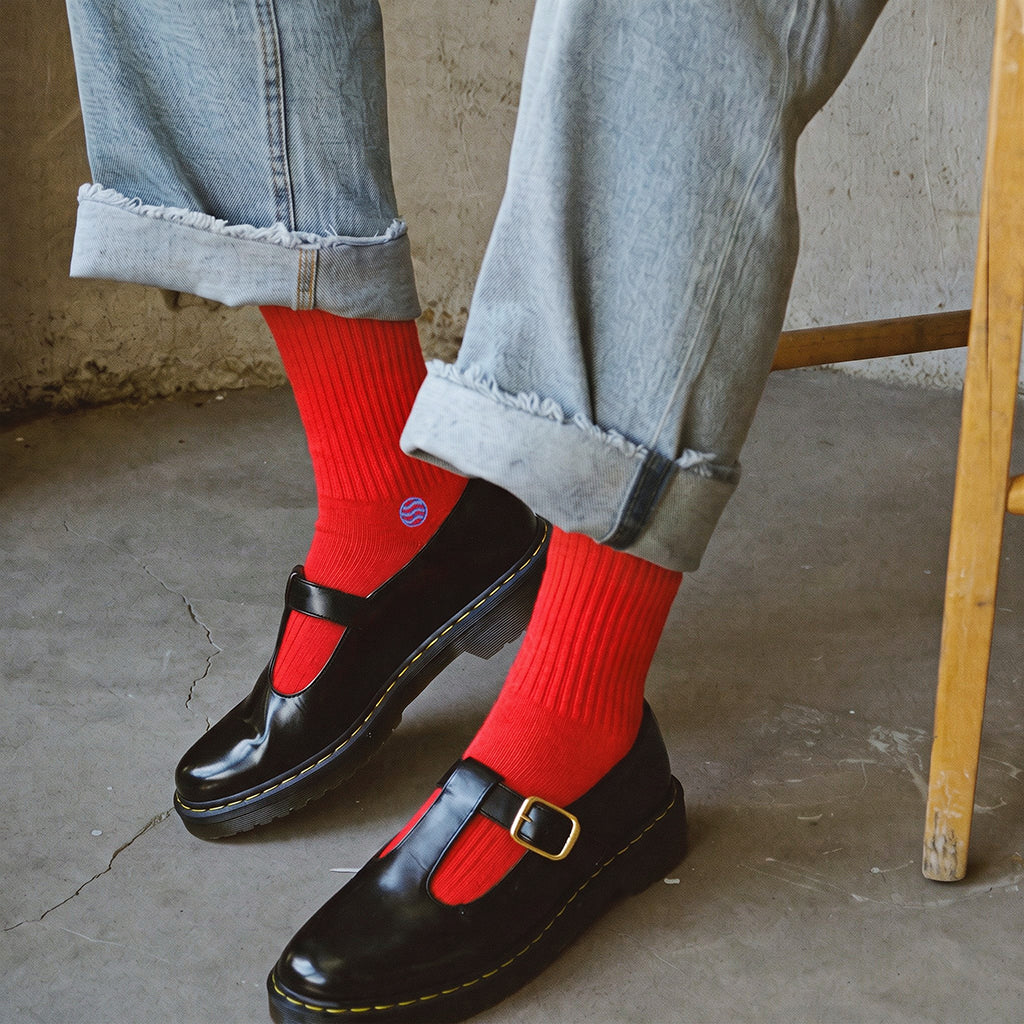
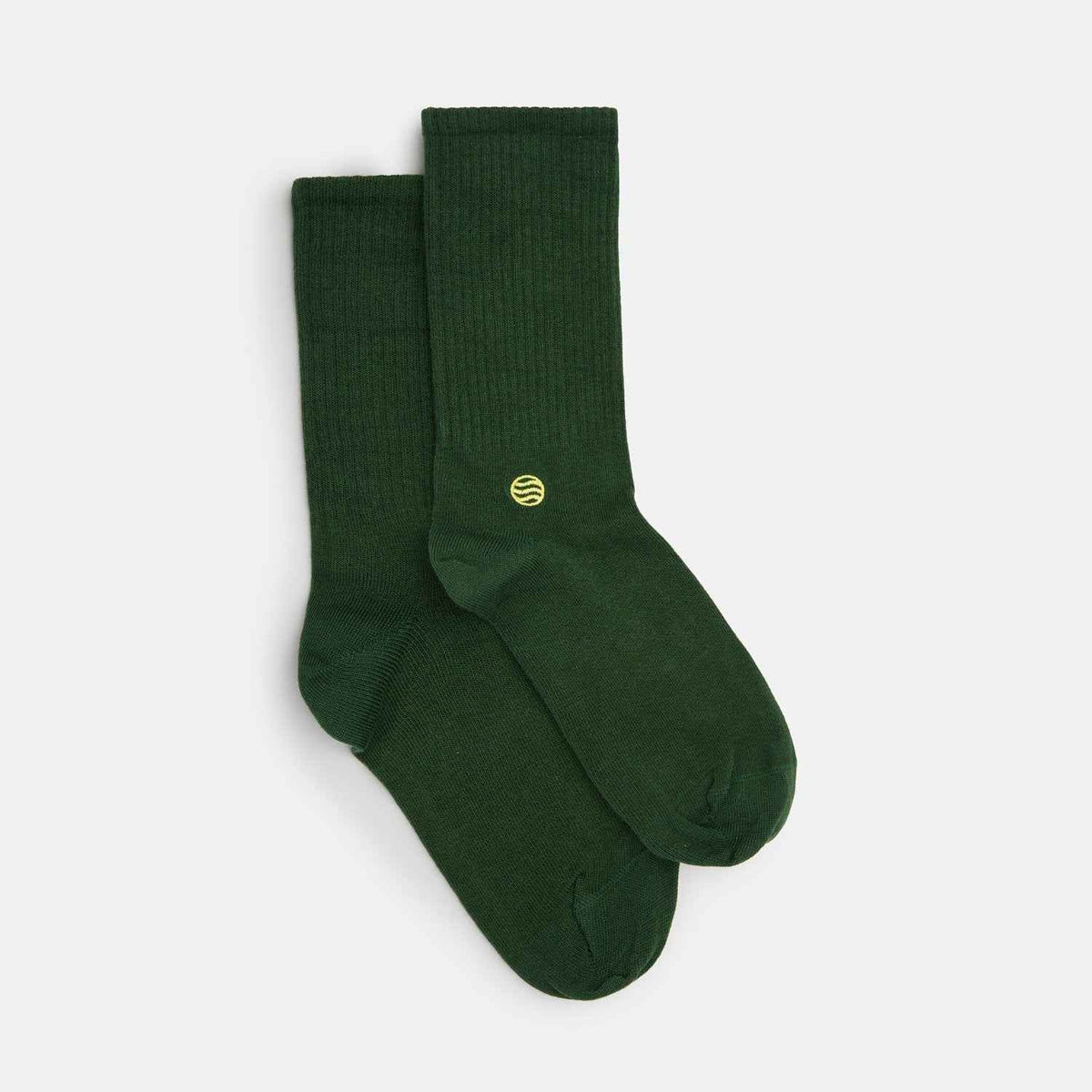
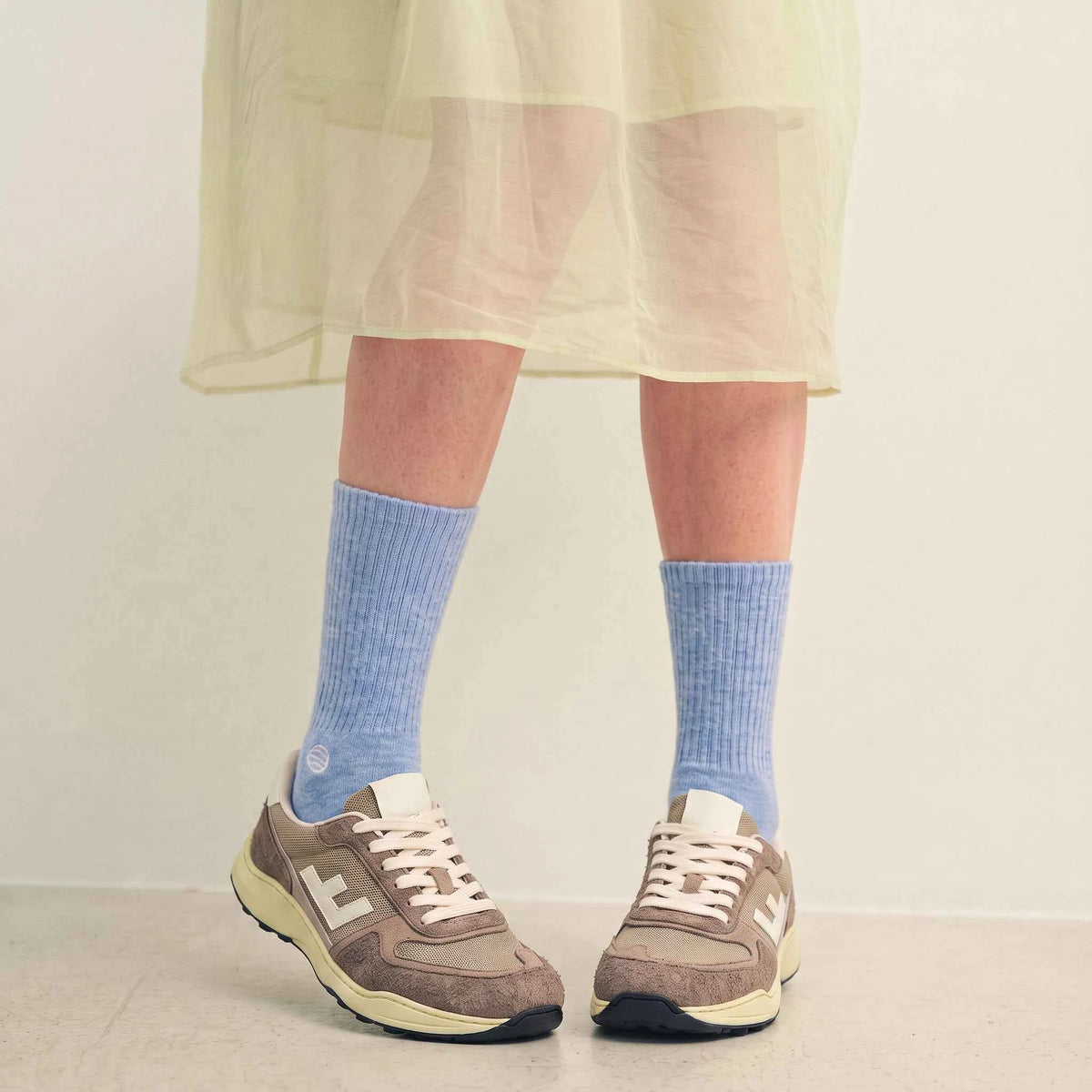
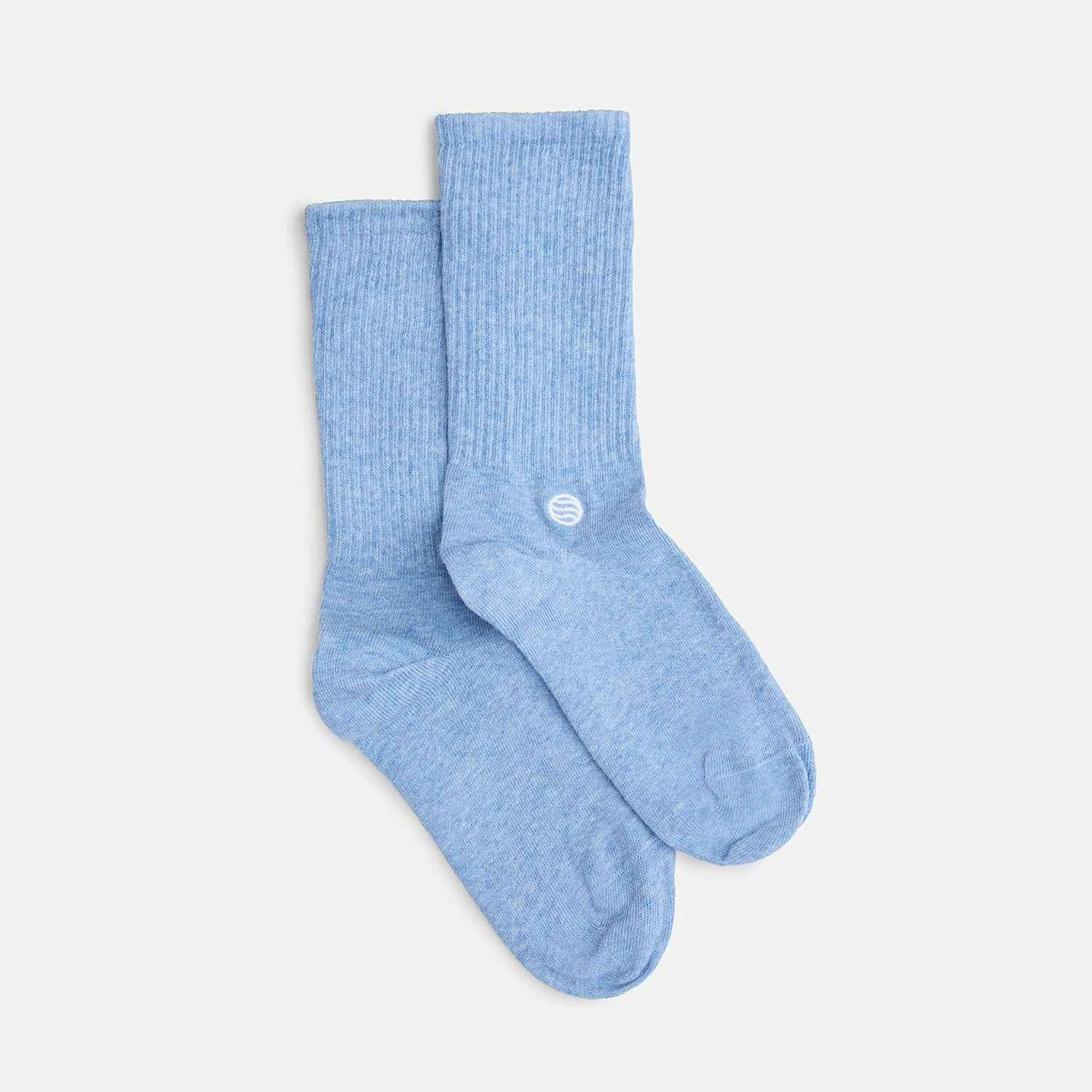
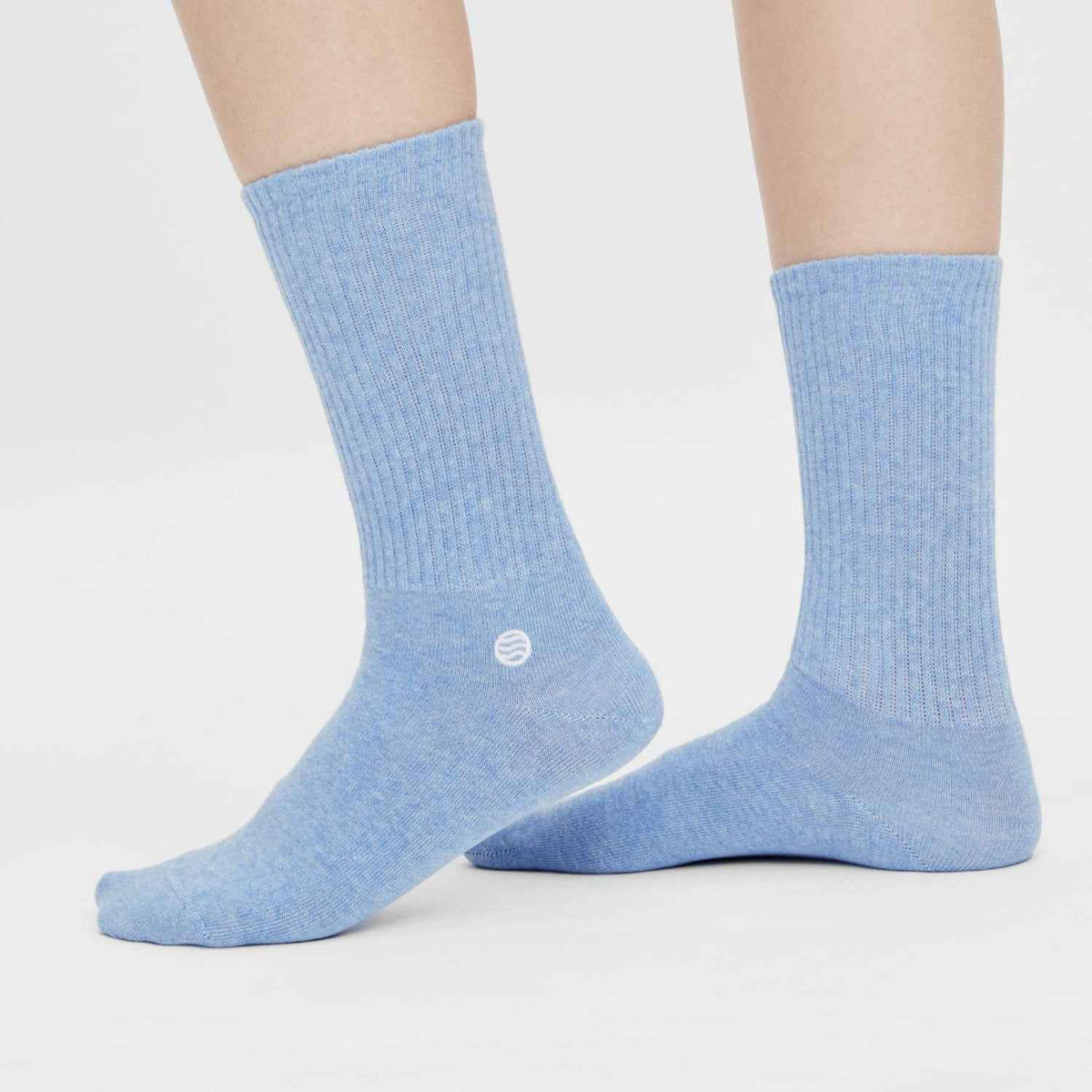
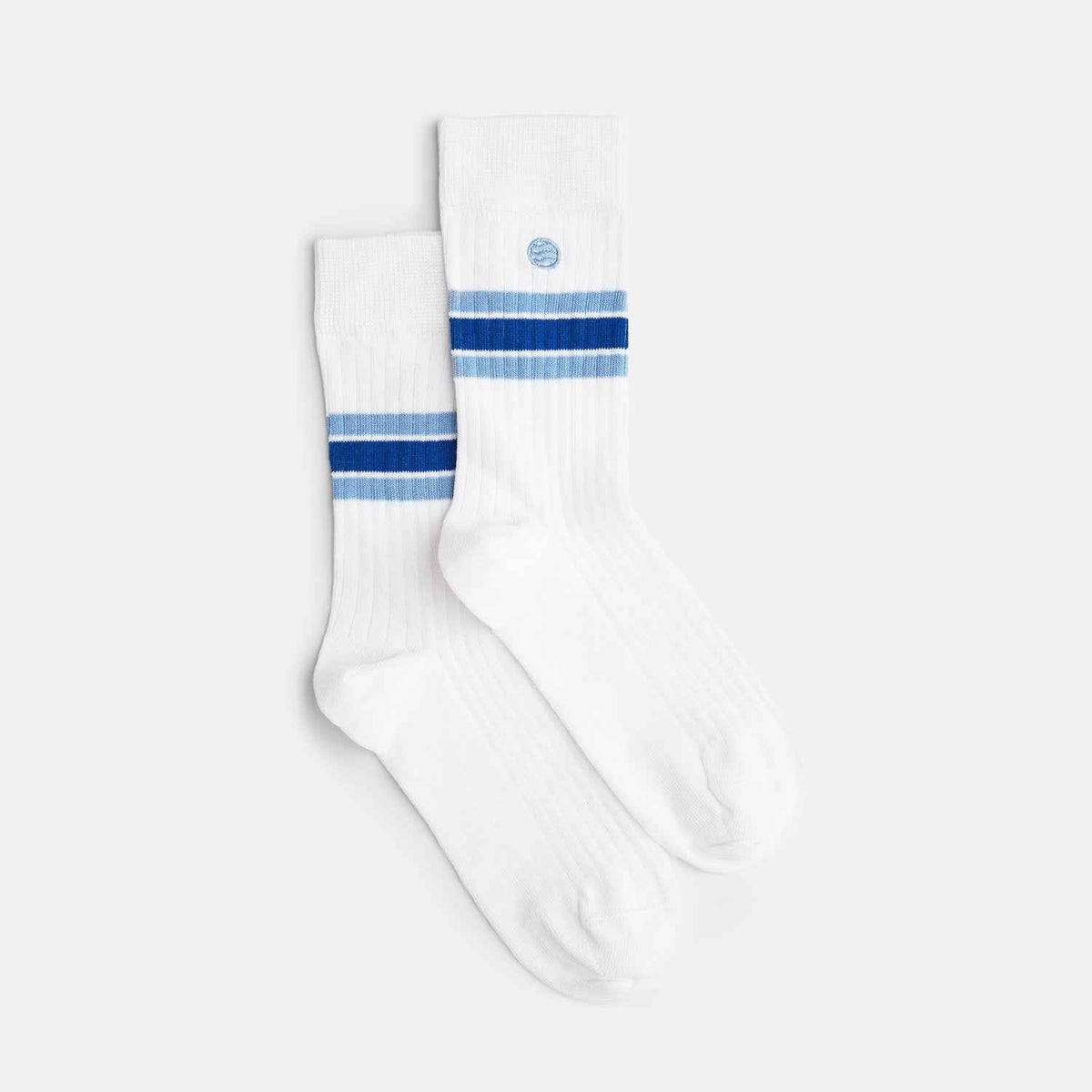
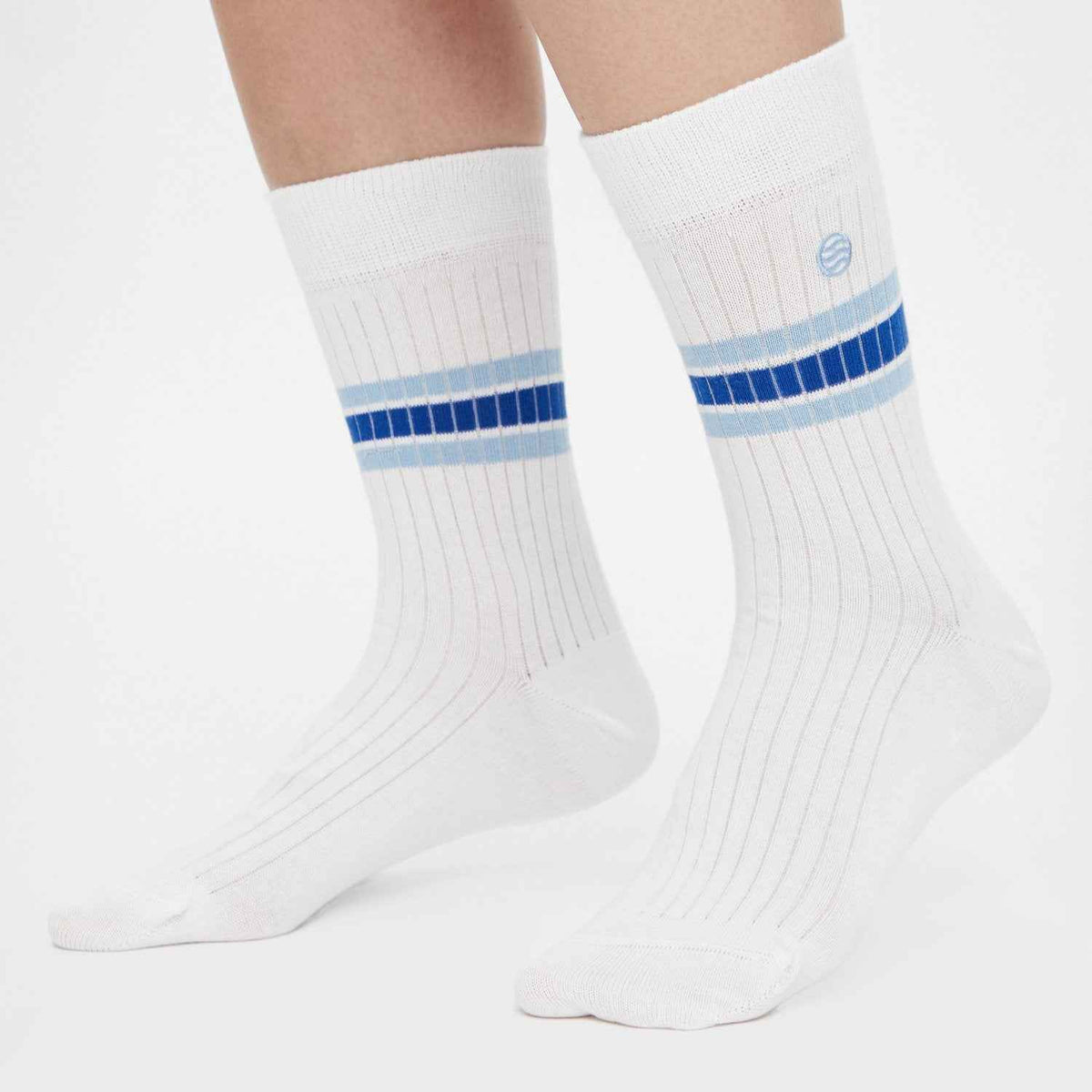
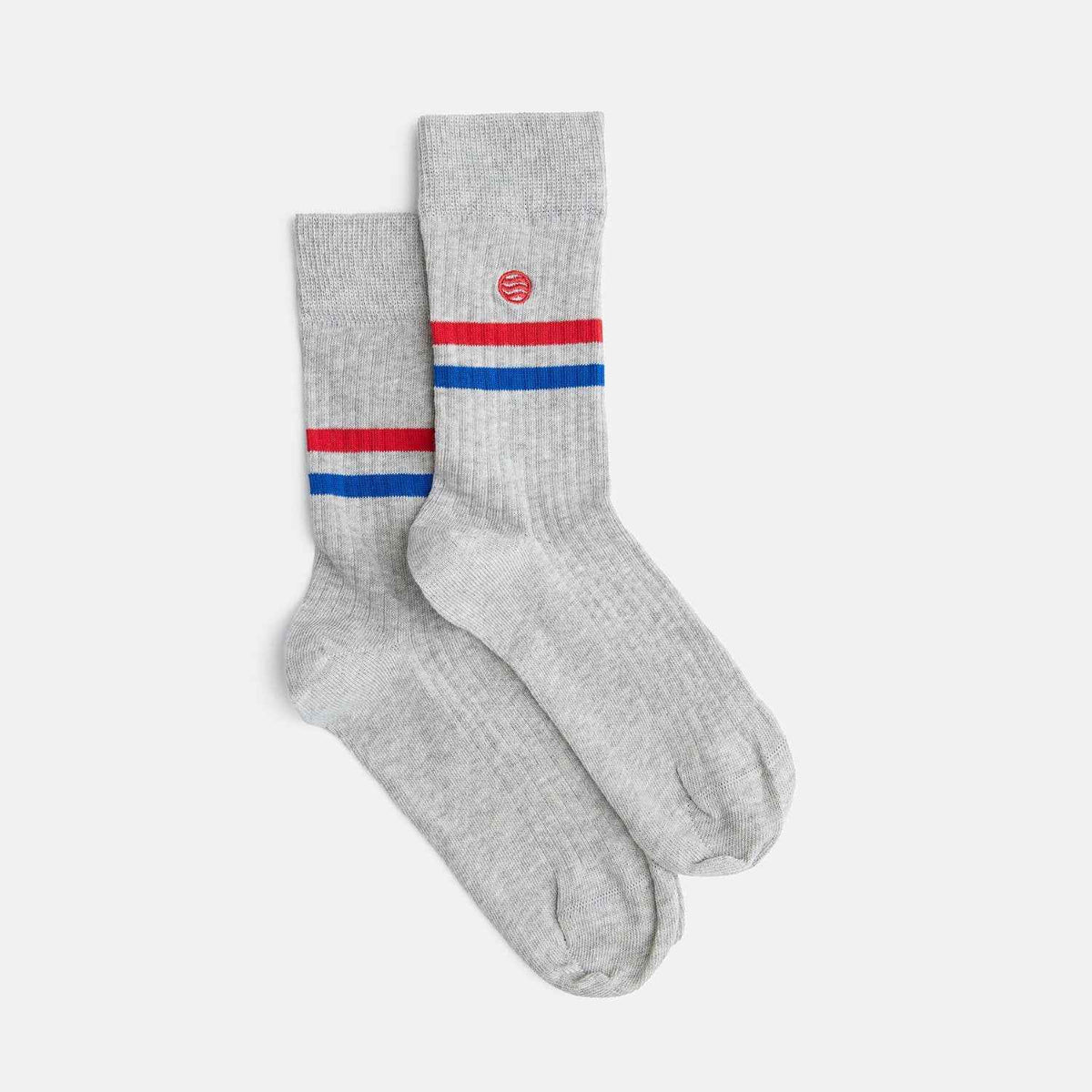
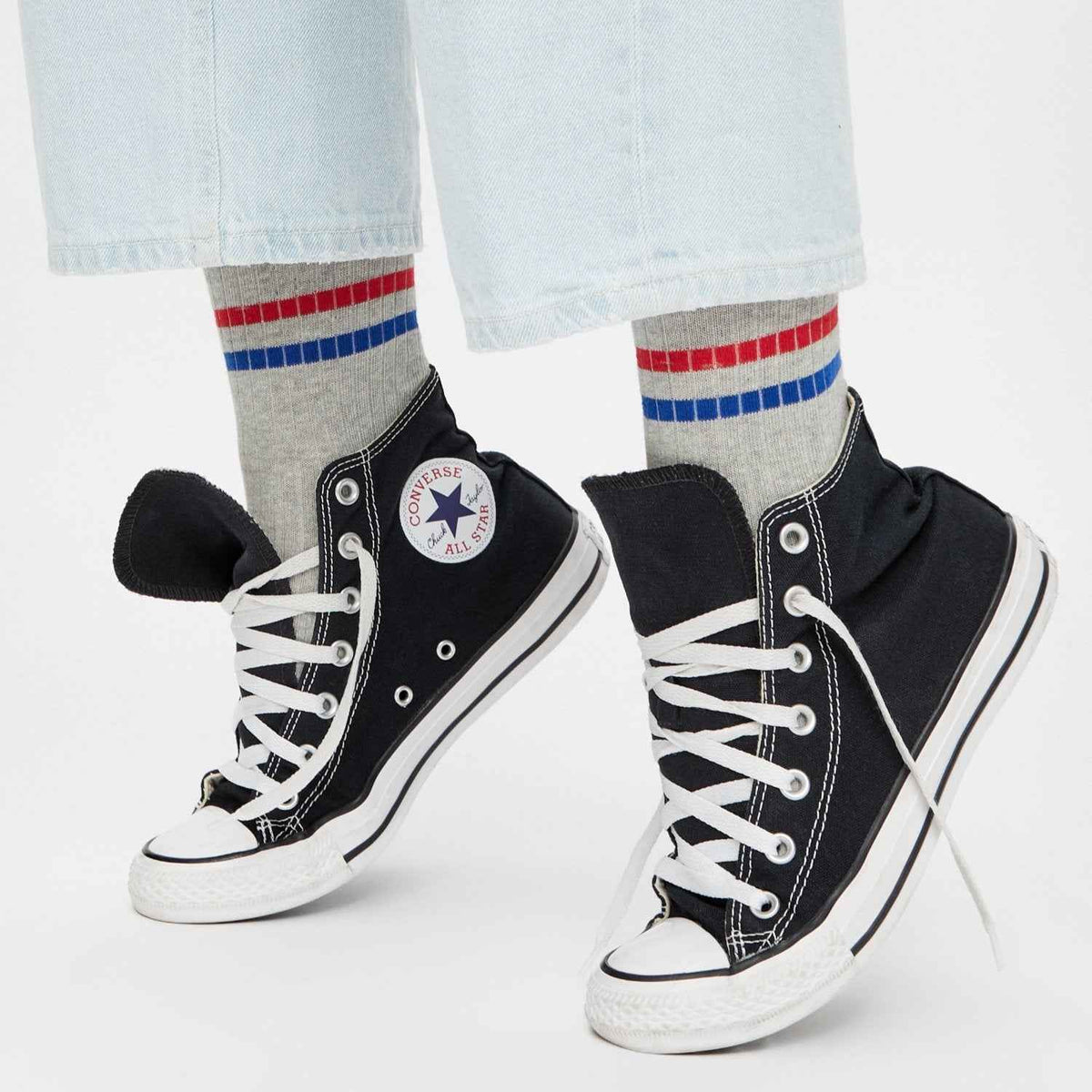
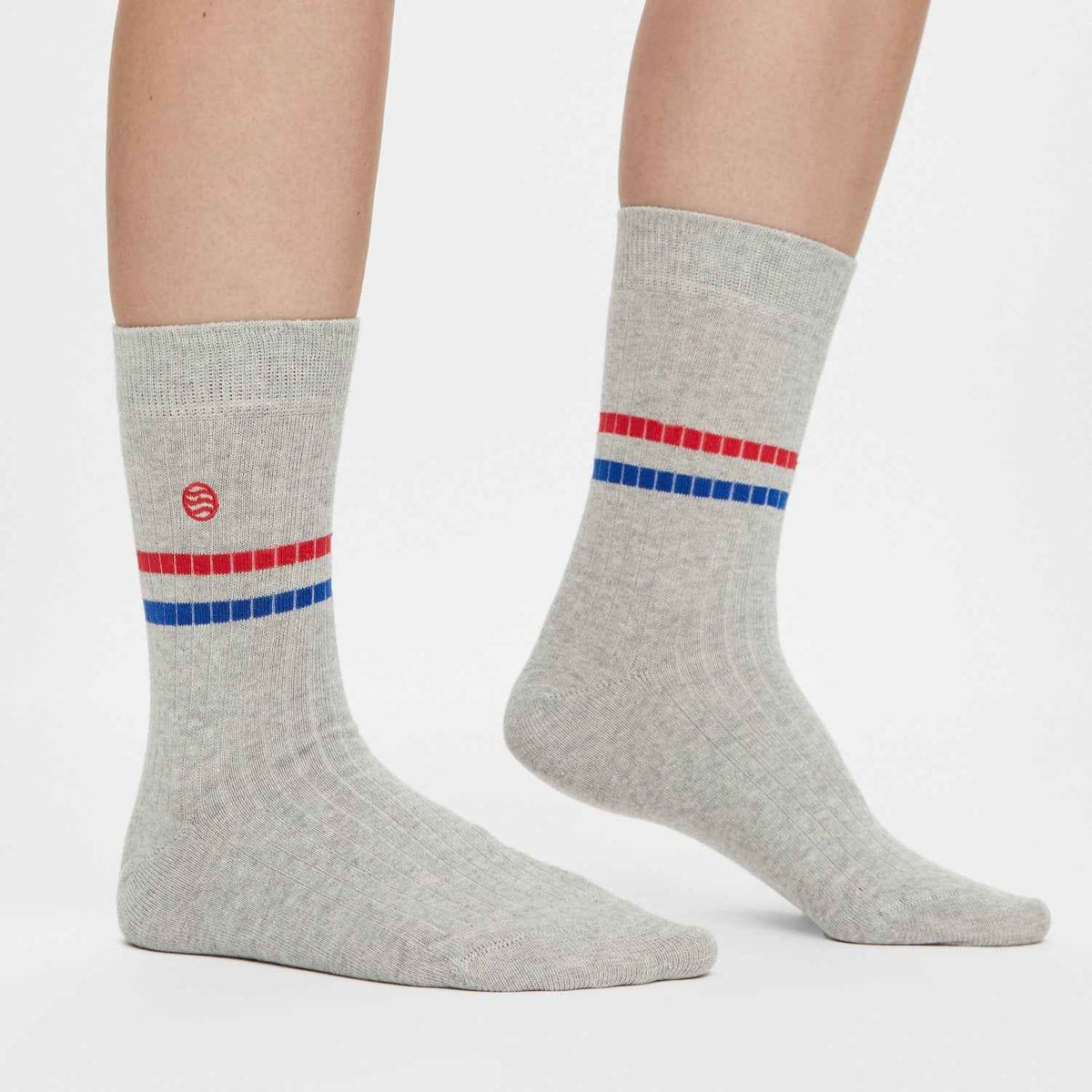
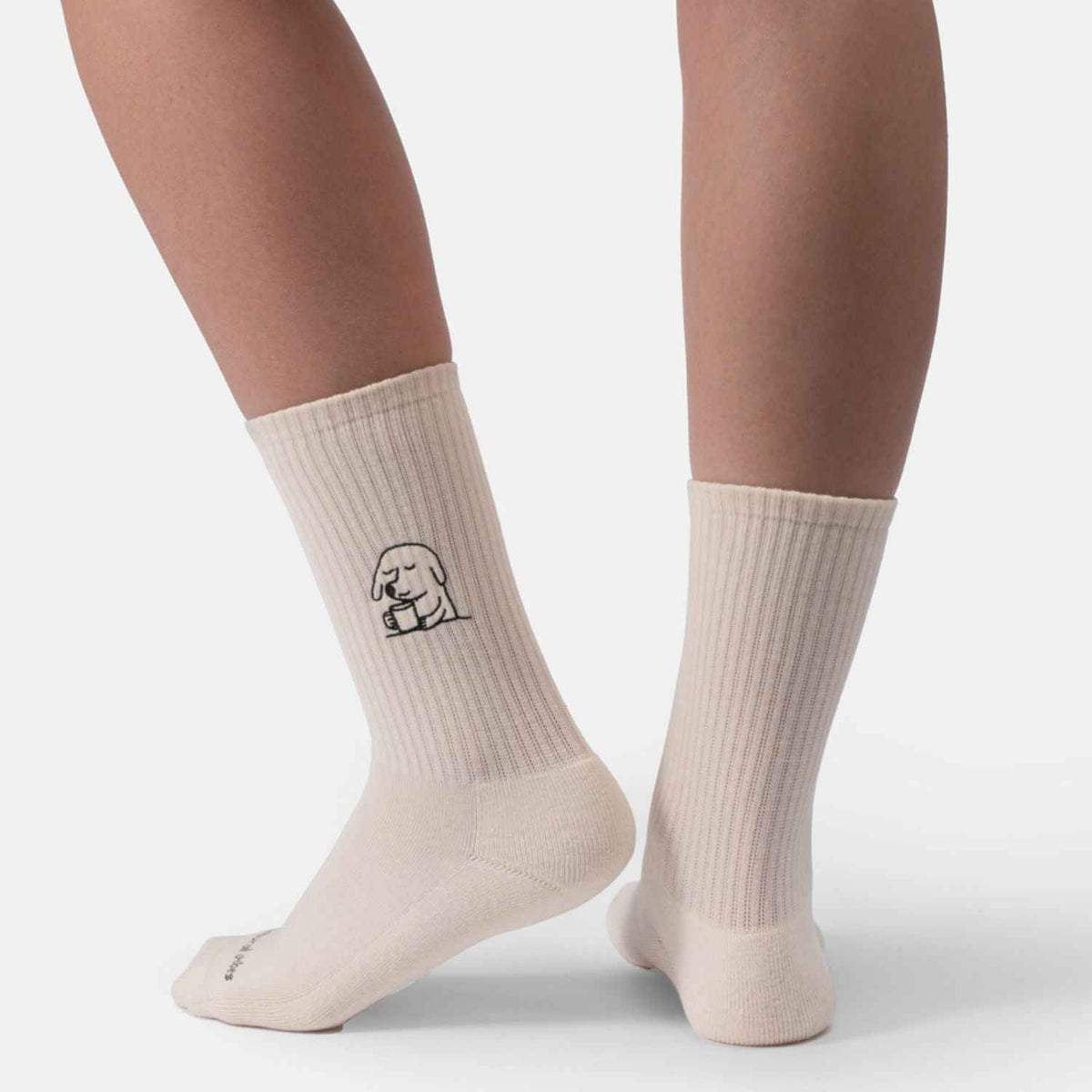
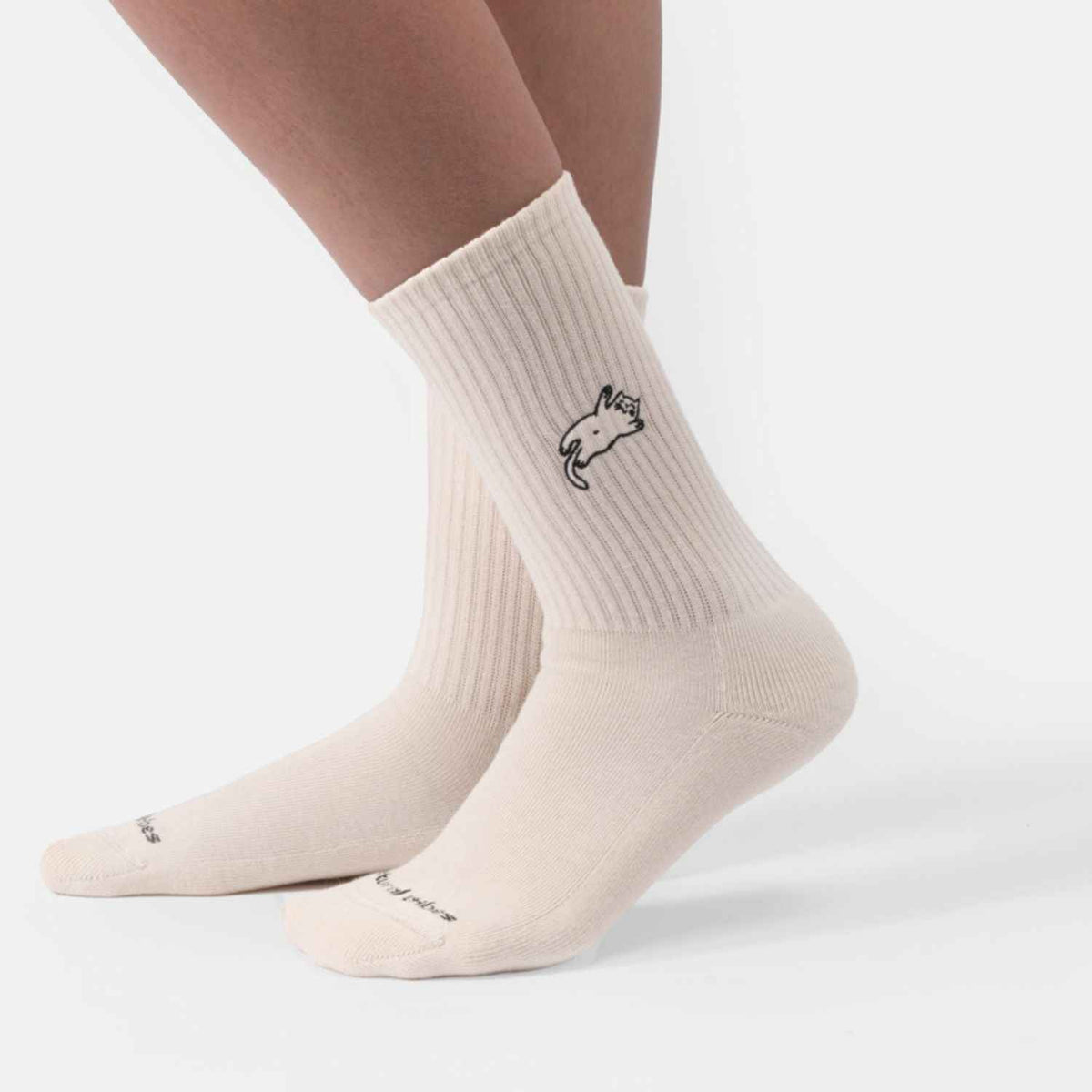
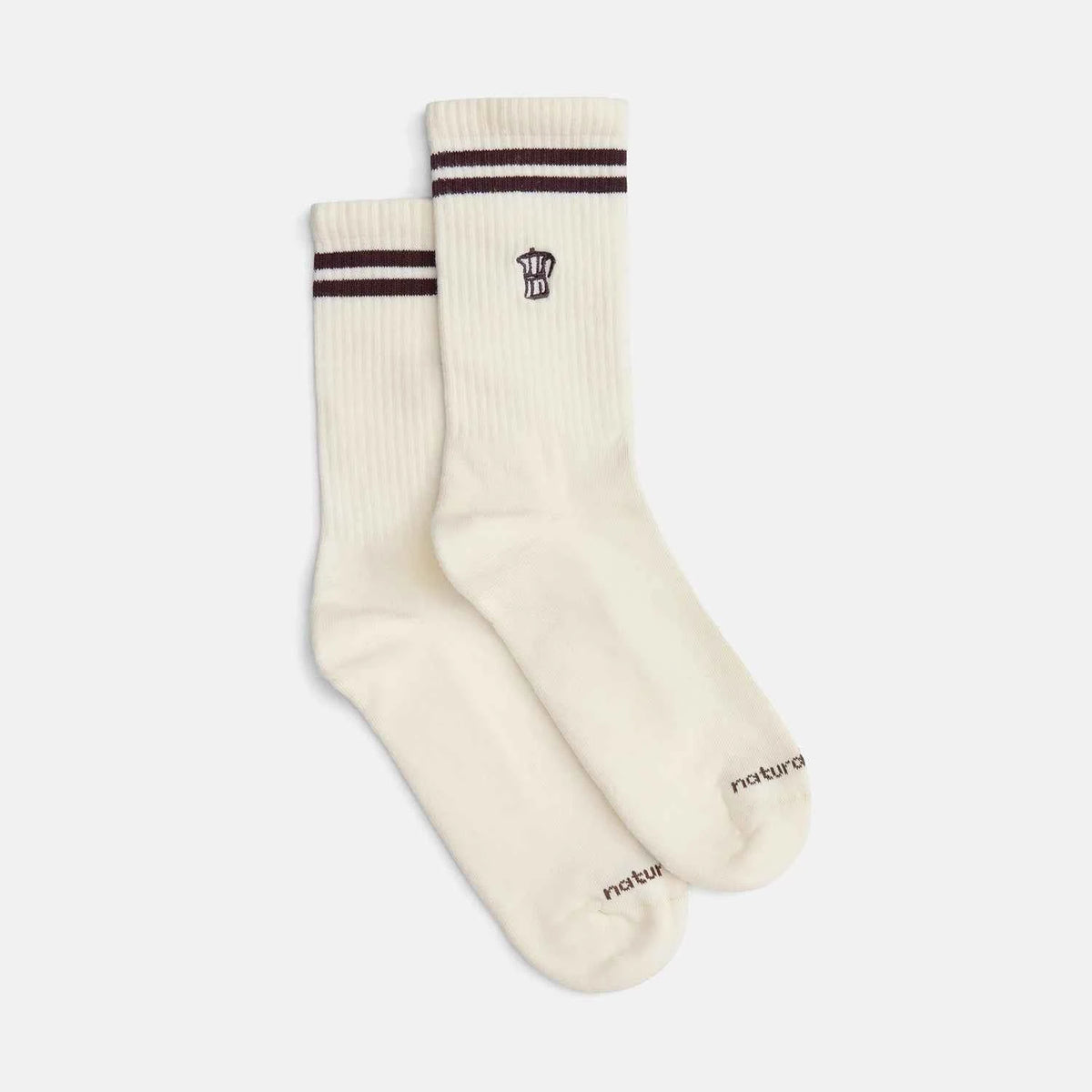
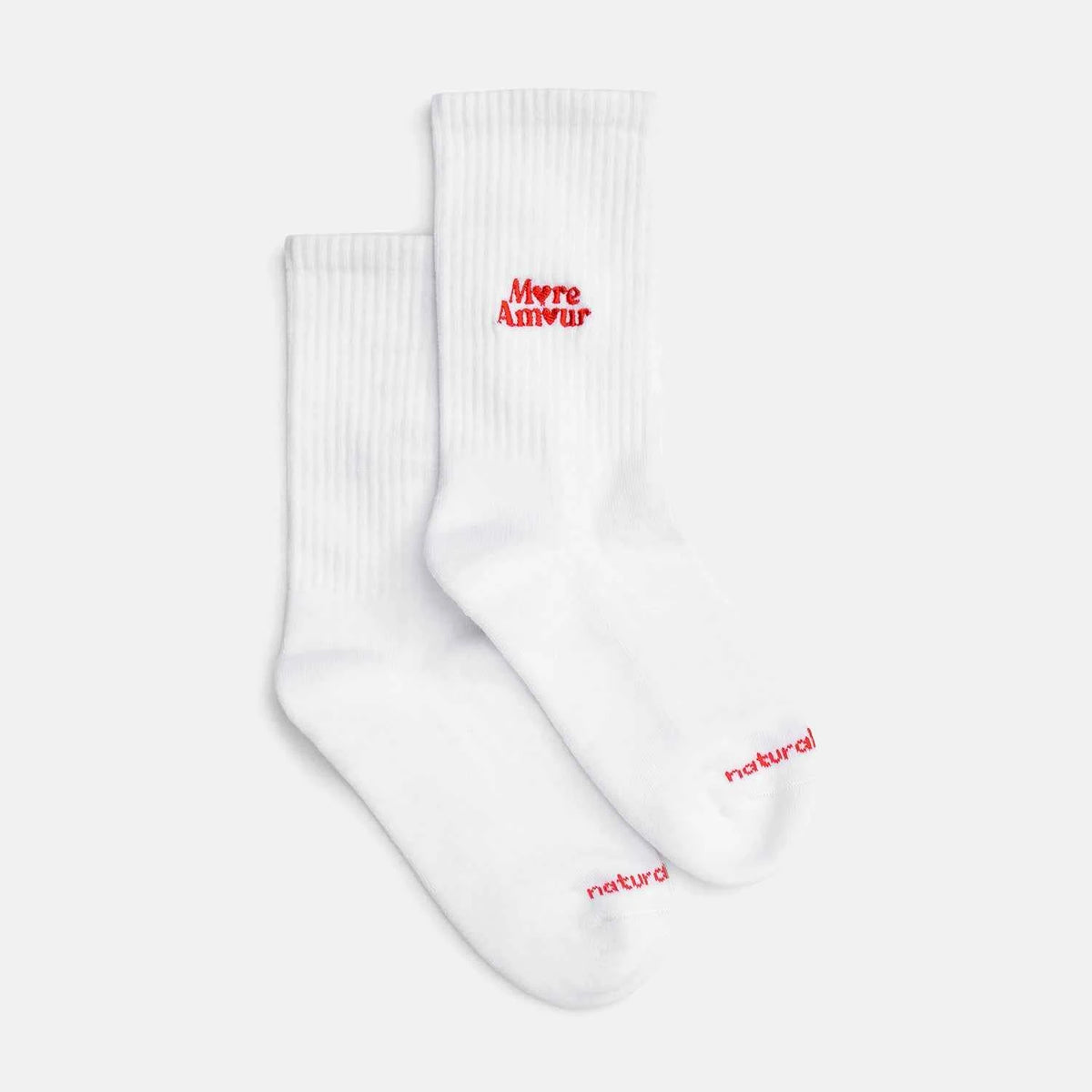
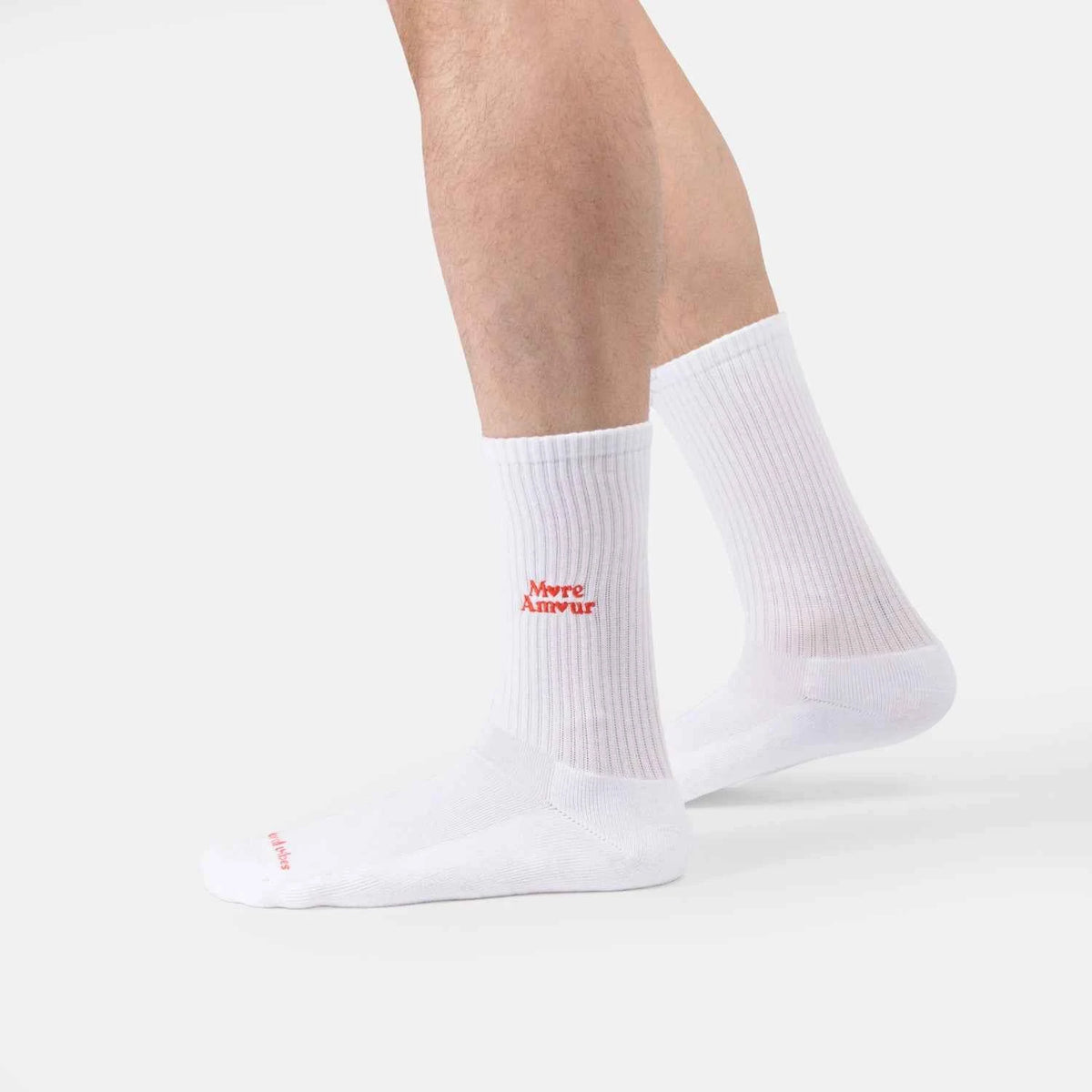
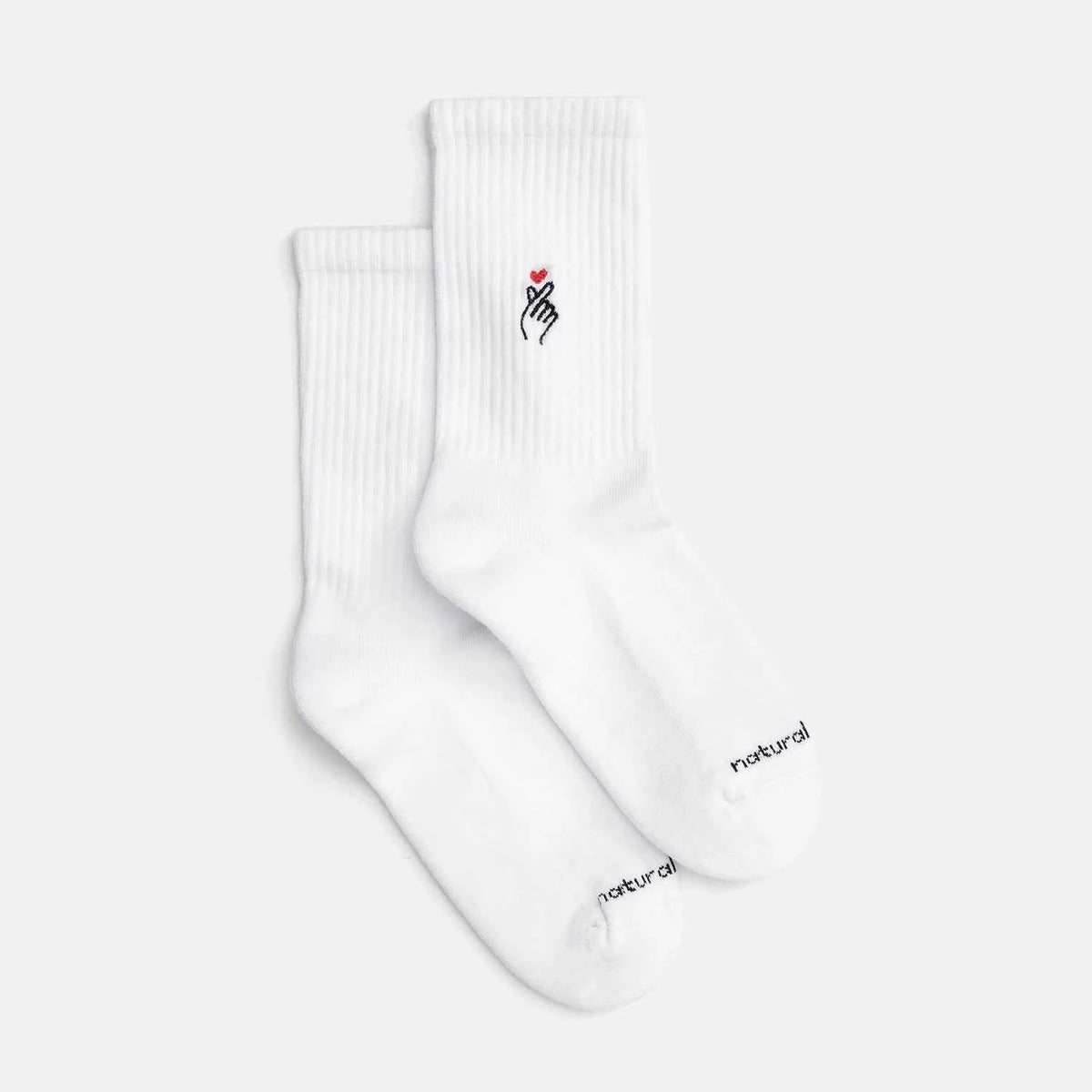
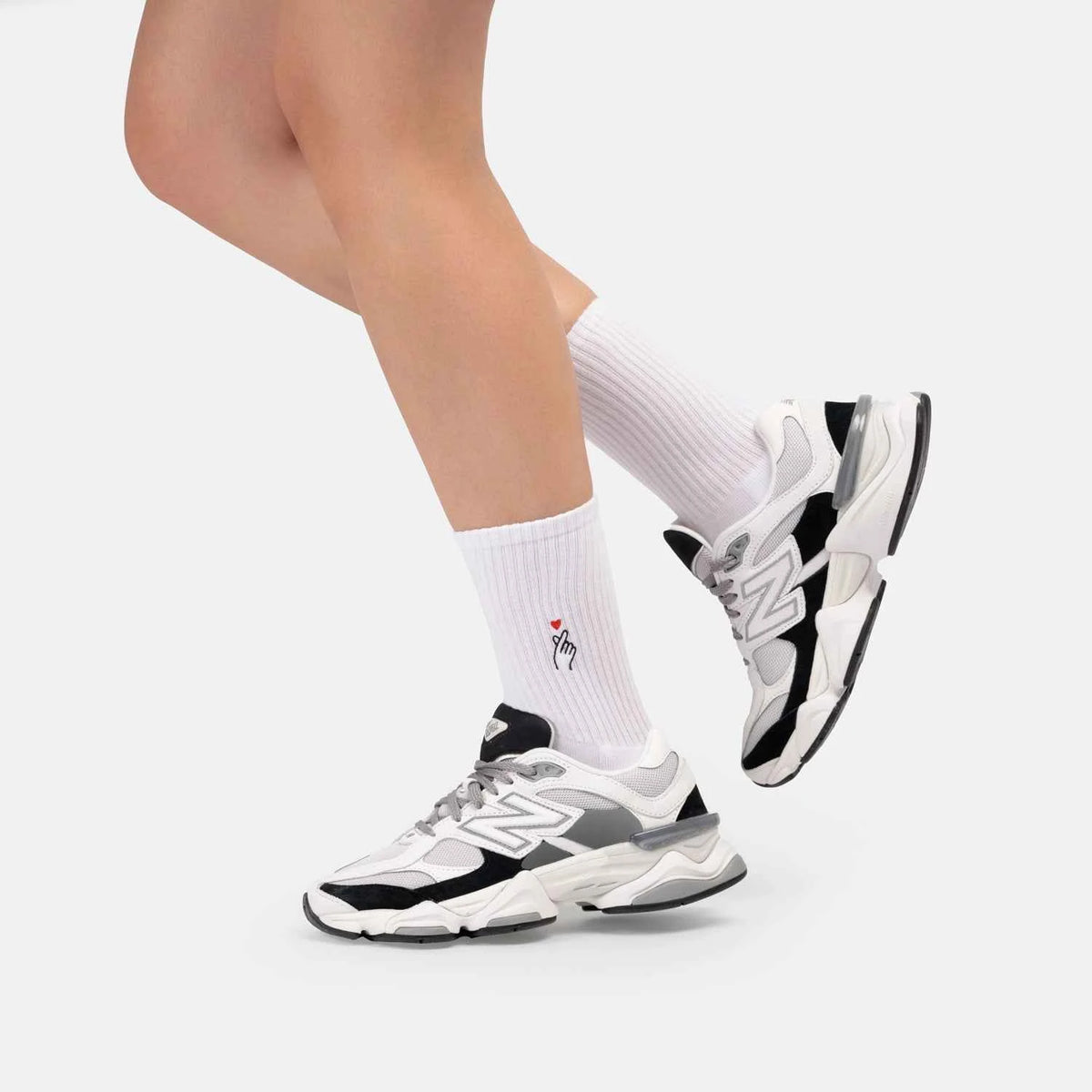
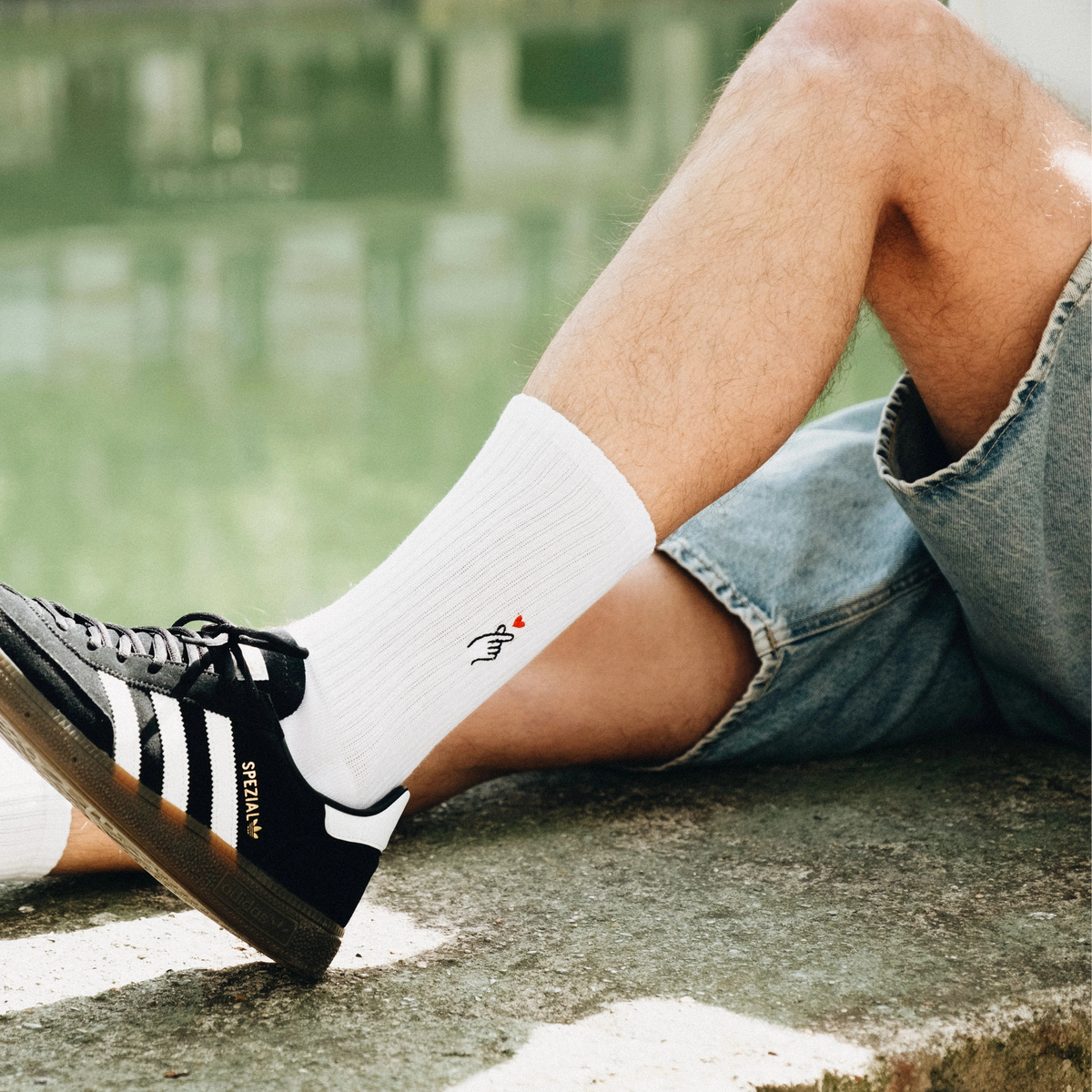
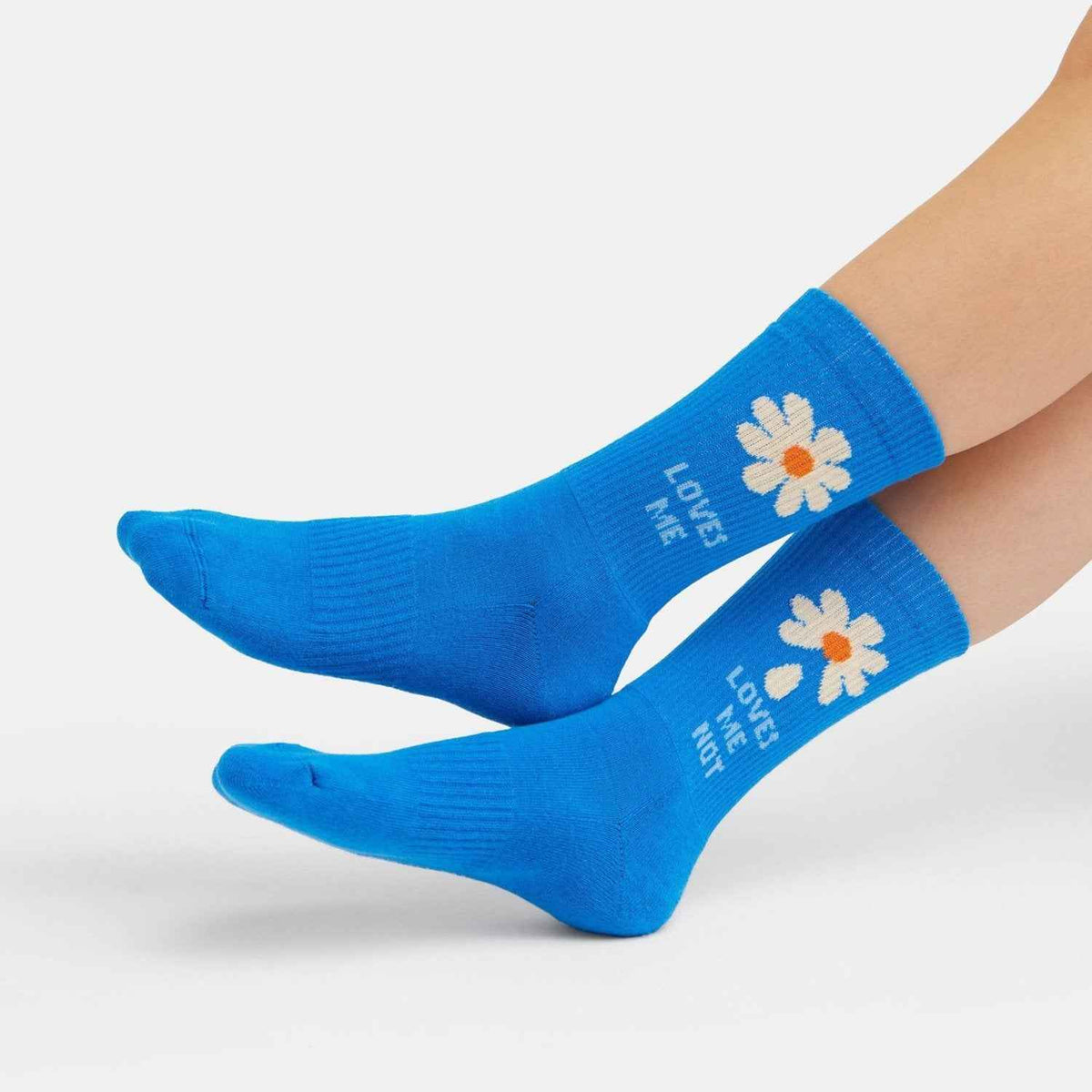
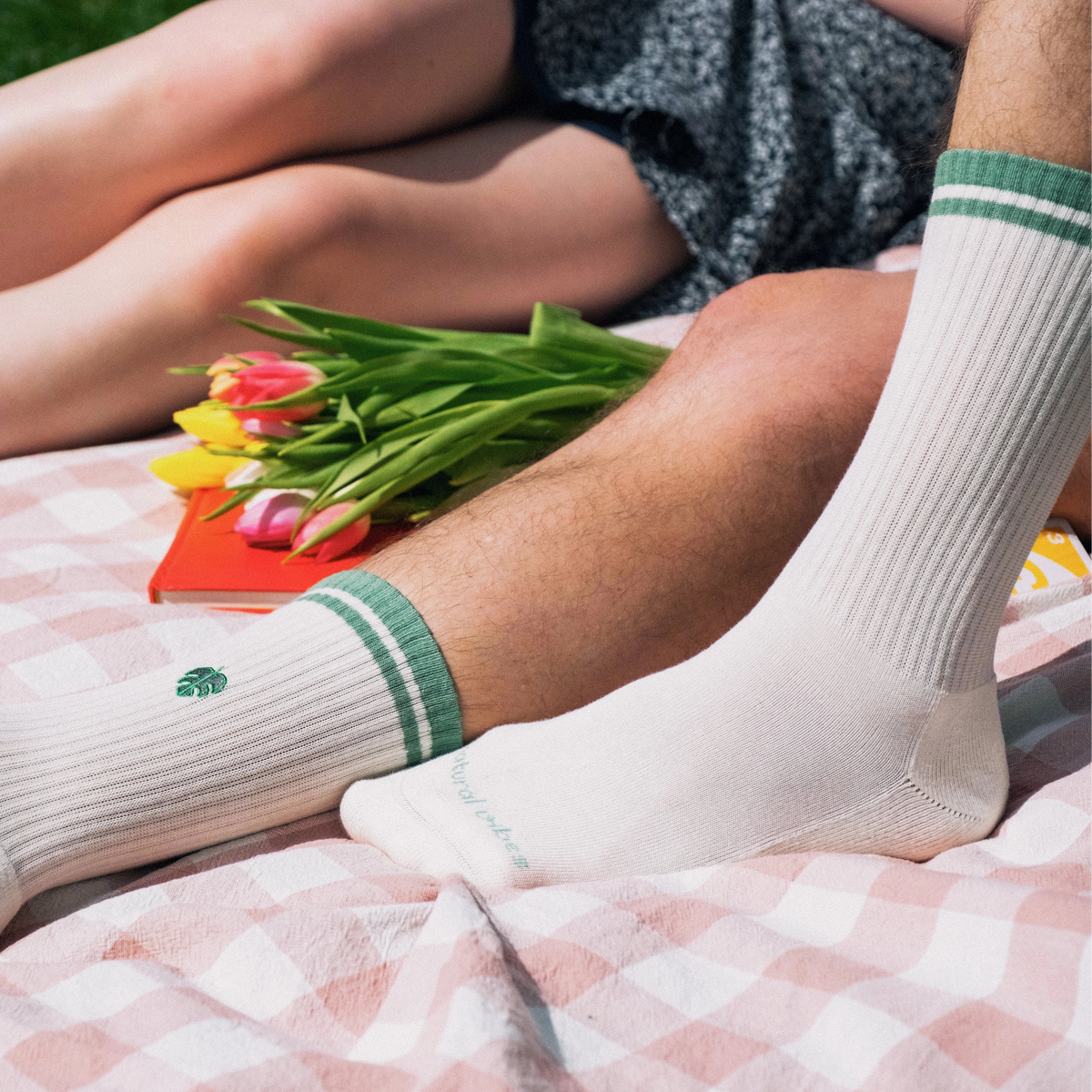
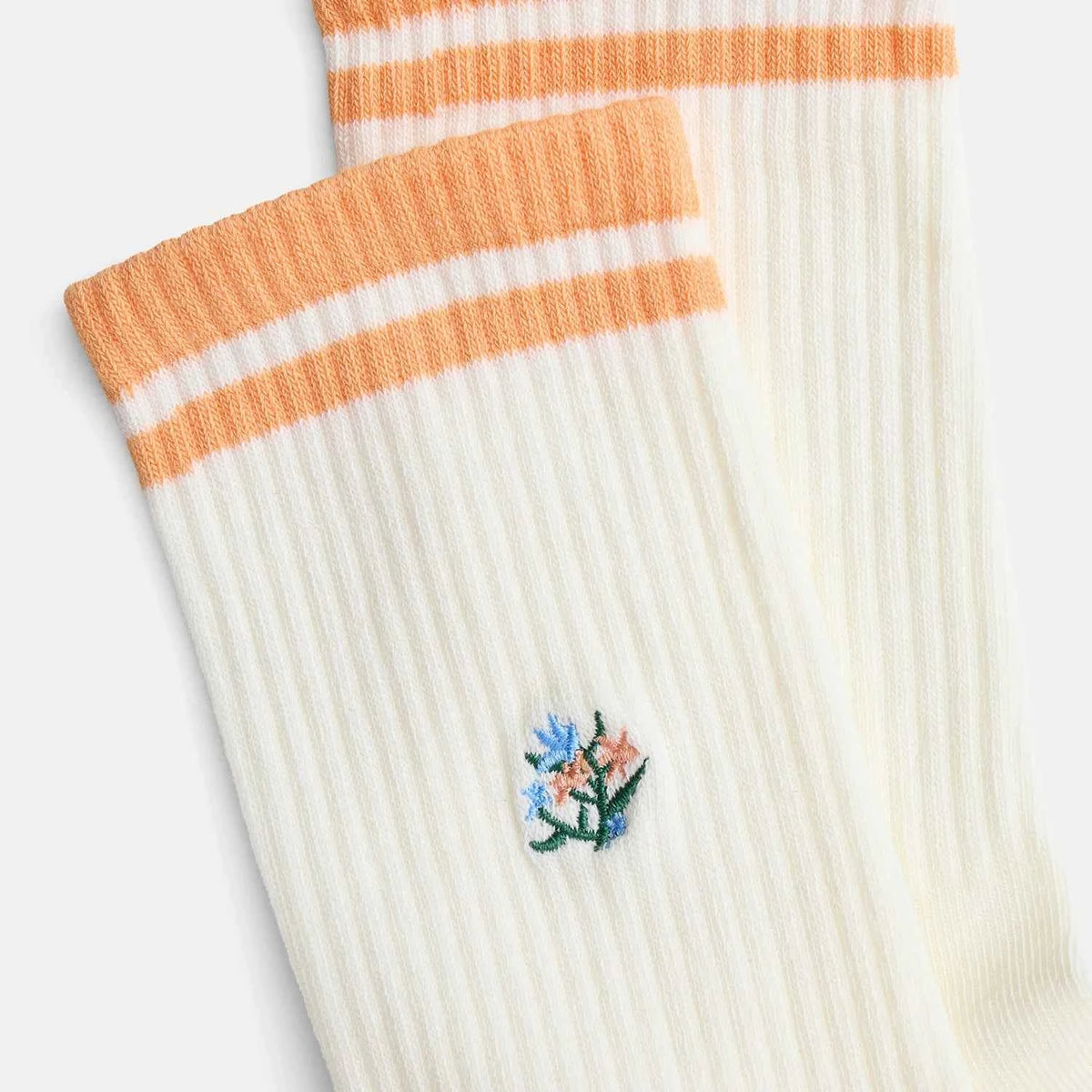
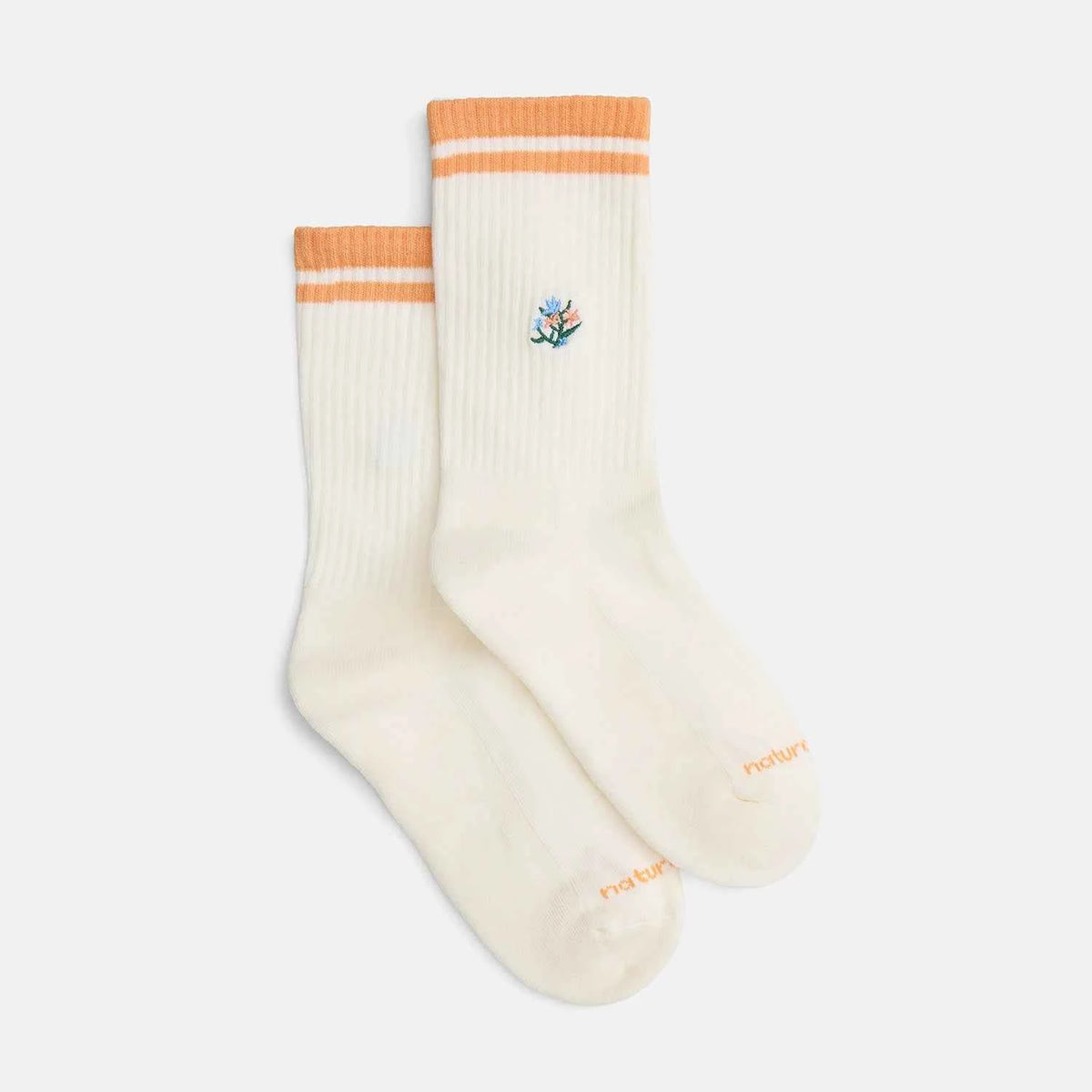
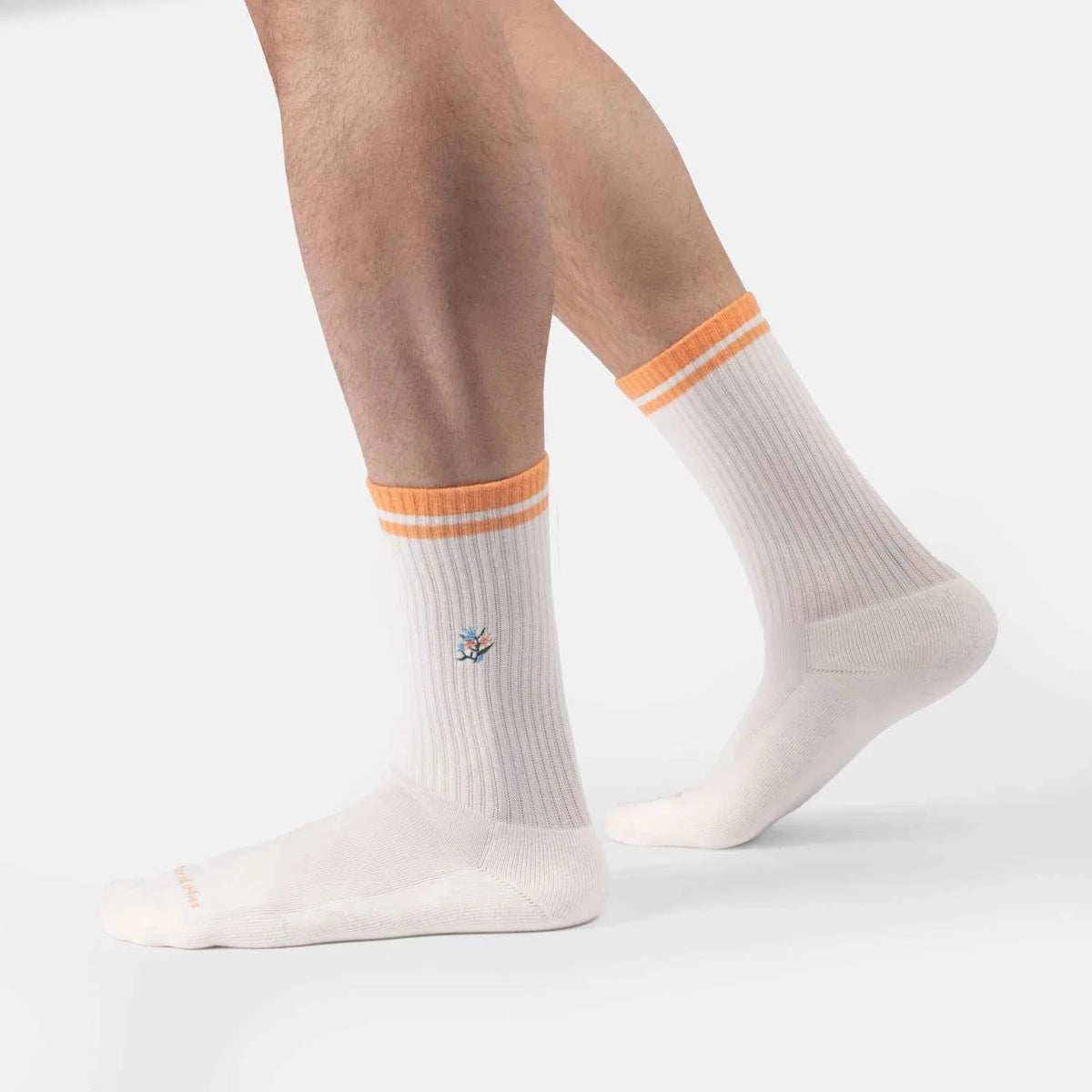
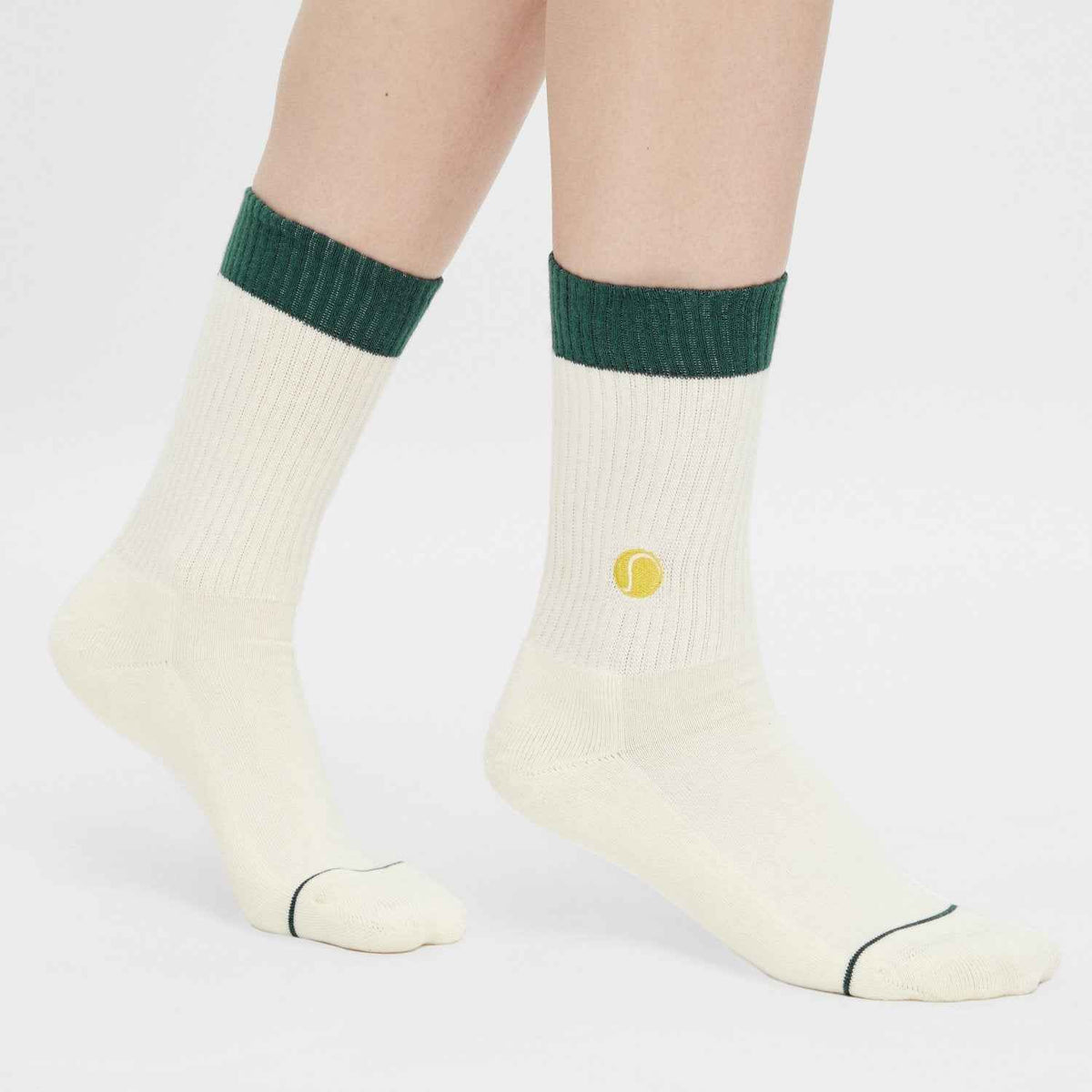
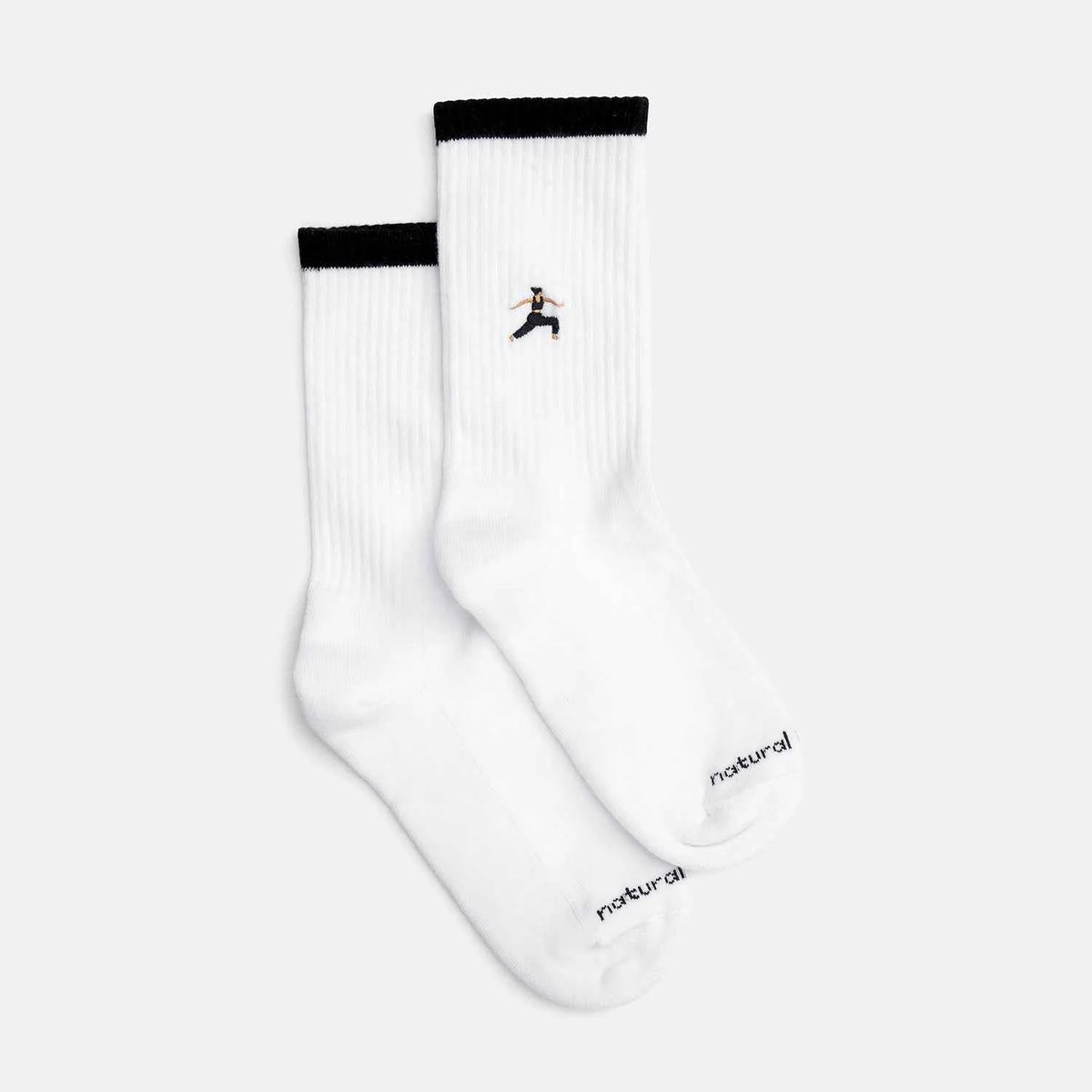
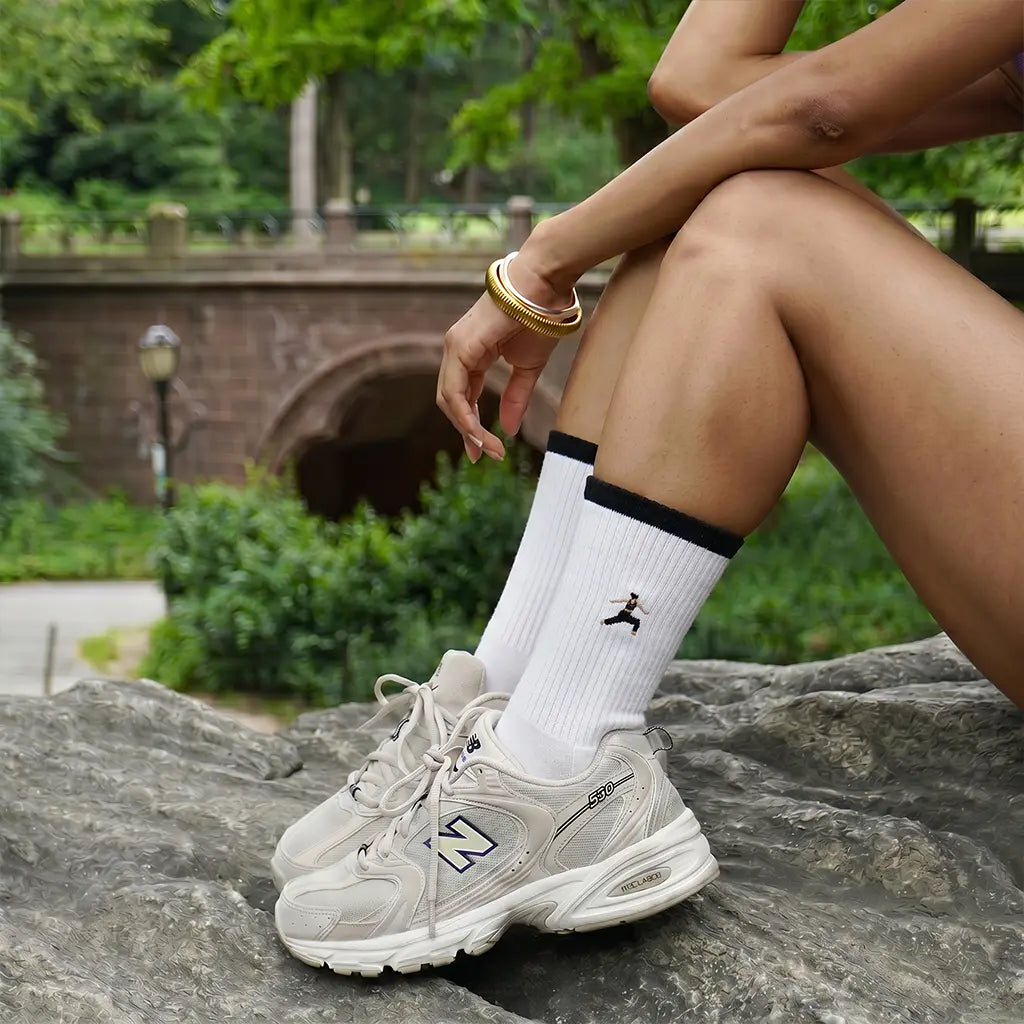
Breathable materials can also help keep your feet comfortable. That's why Natural Vibes socks are made predominantly from organic cotton and designed for comfortable everyday wear.

What happens if you don't change your socks every day?
Wearing the same pair of socks for several days in a row gives moisture, dead skin cells, and bacteria more time to accumulate in the fabric. The most likely – and usually the first – consequence probably won't come as a surprise: your socks, and eventually your feet, start to smell.
Damp socks also create an environment where bacteria and fungi can thrive. Regularly wearing the same socks for too long can contribute to skin irritation and fungal infections. It's not particularly good for the socks themselves either: sweat, moisture, and friction can put extra stress on the fibers.
Putting on a fresh pair every day is therefore a simple habit that's good for both your feet and your favorite socks.
When should you change your socks more often?
Sometimes once a day isn't enough. After exercising, for example, you should swap sweaty sports socks for a fresh pair to help prevent bacteria from multiplying and keep your feet dry. The same applies on particularly hot days or whenever your socks get damp. And if you've been walking around without shoes and your socks have become visibly dirty, a fresh pair is the better choice too.
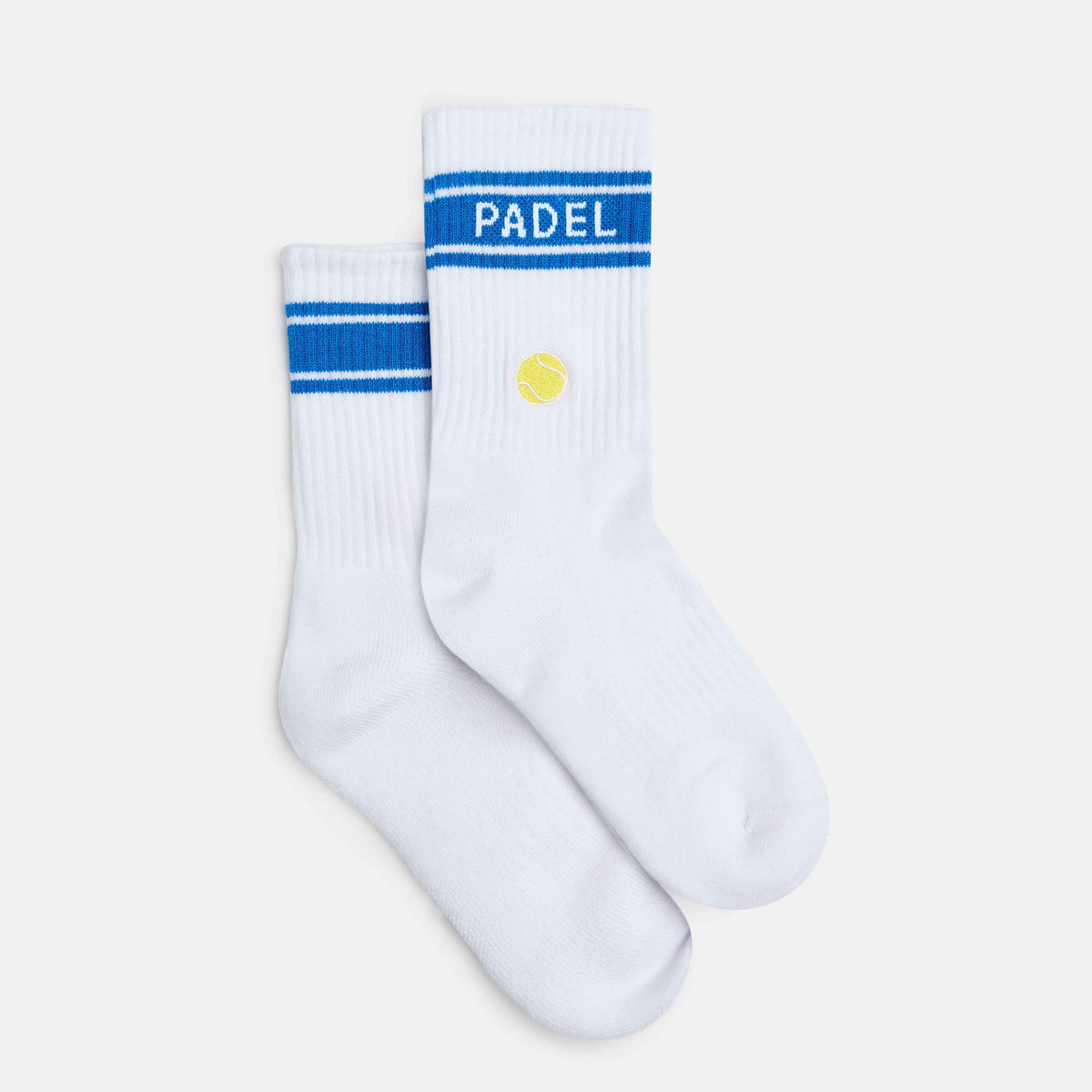
So if you put on your basic crew socks in the morning, work out in the afternoon, and then head out for the evening, you might even need three pairs on some days.
What if you've only worn your socks for a short time?
This is where a little common sense comes in. If you've only worn a fresh pair for a short time and haven't been sweating in them, they don't necessarily need to go straight into the laundry.
The most important thing is that socks are dry, clean, and don't smell unpleasant before you wear them again. After all, unnecessary washing uses water and energy and puts additional stress on the fibers. You can find more advice and tips in our articles on how to wash socks and how to get white socks white again.
Fresh vibes for your feet
So, the answer to “How often should you change your socks?” is pretty straightforward: every day under normal circumstances, and more often after exercising or whenever your socks get sweaty or damp.
Luckily, with enough favorite pairs in your sock drawer, that's not a particularly difficult task. And let's be honest: putting on a fresh pair of socks is one of life's small, underrated pleasures.
When should you replace your socks altogether?
Good everyday socks should last at least six months, even with frequent and demanding wear, which is why all Natural Vibes socks come with a 6-month anti-hole guarantee. With proper care and normal wear, however, high-quality cotton socks without any defects can last for several years before they need to be replaced.
Clear signs that it's time to replace your socks:
- Thin, worn-out soles or frayed fabric
- Holes around the toes or seams
- Stretched-out cuffs
- Unpleasant odors that remain even after washing
Even damaged socks don't necessarily have to go straight in the trash: our craft ideas for old socks show you different ways to give them another useful purpose.