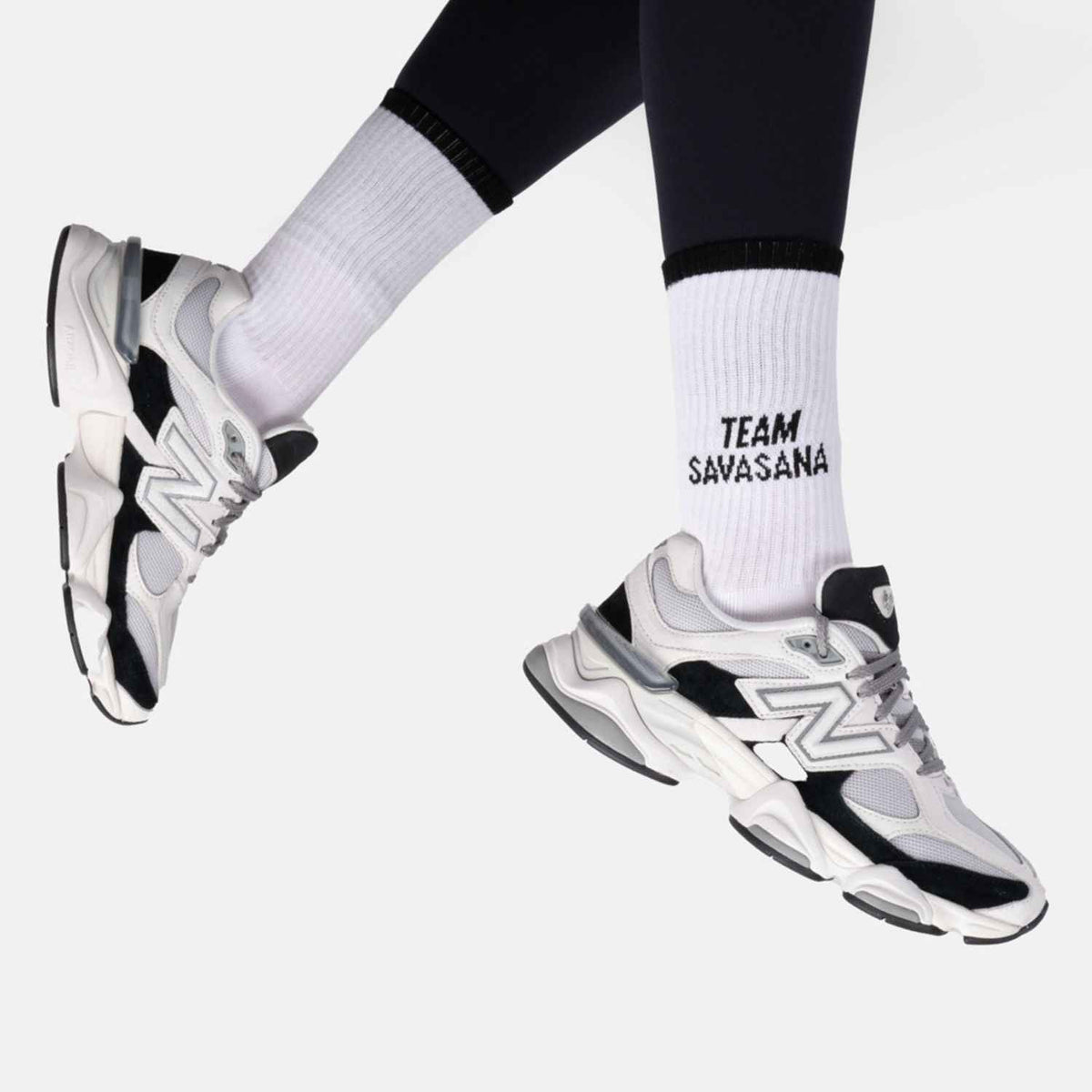


These Eco-Friendly Tips Will Help Get White Socks White Again
White socks are a must-have basic for most of us: effortless, timeless and easy to style. But the signs of everyday wear tend to show up particularly quickly on white basics that are worn and washed frequently.
A slight grey tinge or dark marks on the soles are no reason to give up on your favorite socks just yet. Often, the right washing routine and a few simple household remedies are enough to help bring back their brightness.
Below, we’re sharing our tips on how to get white socks white again. After all, the longer we can keep wearing our clothes, the better we make use of the resources that have already gone into making them.
Why do white socks turn grey?
Dirt and discoloration show up particularly quickly on white socks and crew socks. Detergent residue, limescale in the water, sweat and small particles of dirt can build up in the fibers over time, leaving behind a grey tinge, discoloration or dark marks.
Washing white socks together with dark laundry can also gradually dull their bright white appearance. New dark items such as jeans in particular should be washed separately from lighter laundry, as they can release dye that may be absorbed by white fabrics. Black basic socks, on the other hand, can and should of course be washed with your colored laundry.
And of course, socks and basics go through quite a lot. We wear them inside shoes all day, and at home we might walk around in them without slippers too. So it’s perfectly normal for the soles to stop looking brand new after a while.
How to Get White Socks White Again: 4 Simple Household Remedies
Harsh bleach can put unnecessary strain on sock fibers and is rarely the best solution for getting white socks white again. Instead, there are several simple, more environmentally friendly household remedies that can help with greying and discoloration – and you probably already have some of them at home.
Whatever method you choose, always check the care label first and take particular care with delicate fabrics or colored details.
1. Baking soda for grey-looking socks
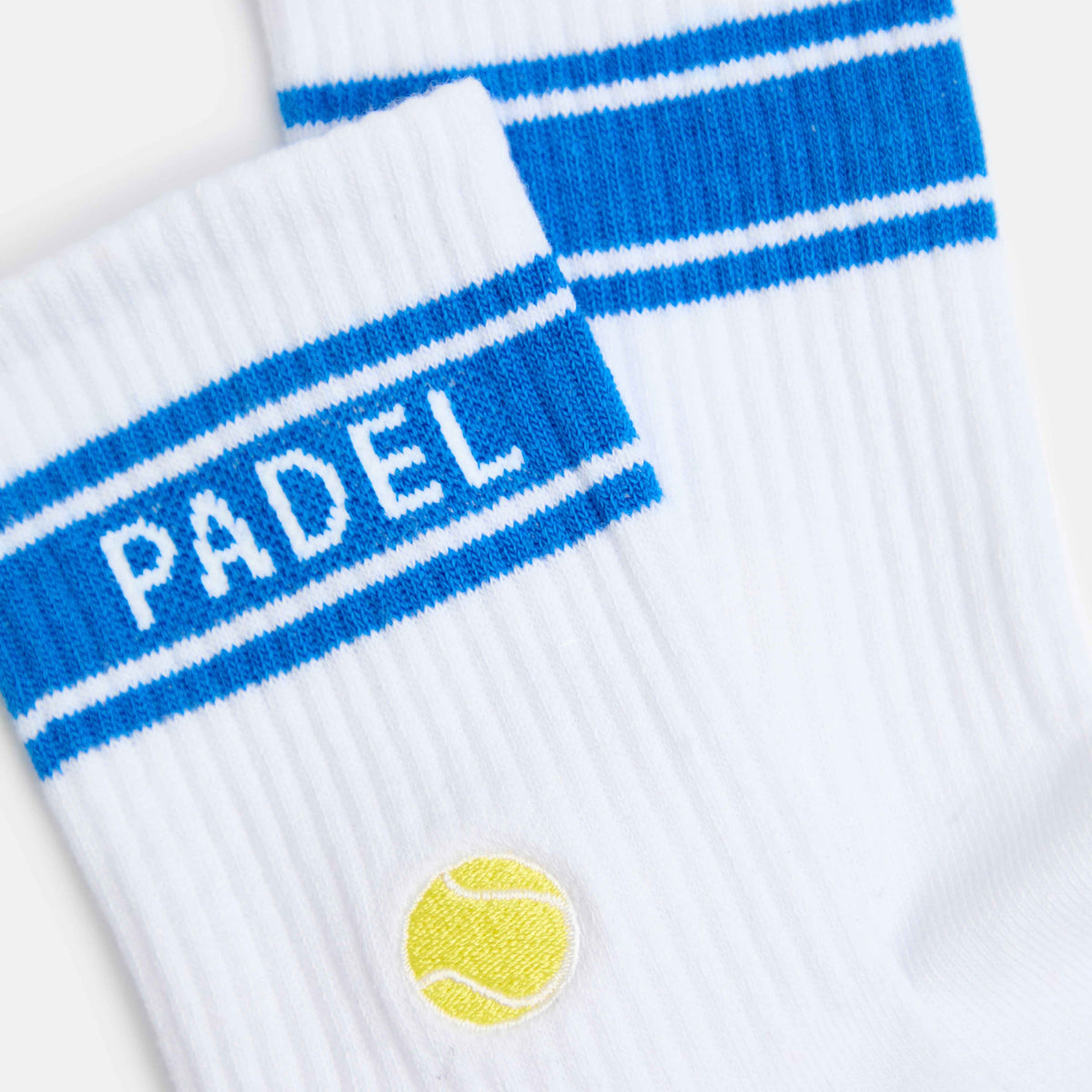
Baking soda can have a mild brightening effect while also helping to neutralize odors, making it particularly useful for sports socks and tennis socks.
Add one or two tablespoons to your wash, or mix two parts baking soda with one part water to create a paste. Apply it to grey or discolored areas, leave it for around 30 to 60 minutes, then wash as usual.
2. Citric acid for yellowish discoloration
Citric acid can also help freshen up white cotton socks. Dissolve one or two tablespoons of citric acid powder in one liter of warm water and soak the socks for one to two hours. Afterwards, simply wash them in the washing machine as usual.
3. Vinegar for limescale and detergent residue
If limescale or detergent residue is making your whites look dull, vinegar can help dissolve these deposits. Again, use it sparingly and always check the care instructions for your textiles first.
4. Harness the power of the sun
It hardly gets any simpler than this: after washing your white socks, leave them to dry outside in the sun. UV light can have a natural brightening effect – without the need for another wash cycle.
Pre-Treating Stubborn Stains on White Socks
For particularly dirty soles or individual stains, targeted pre-treatment is often a better option than washing the entire load more aggressively.
Stain soap can be useful for grass and dirt stains, while a paste of baking soda or bicarbonate of soda may help with perspiration marks and yellowing. Whenever possible, treat stains before they have completely dried – fresh stains are generally easier to remove.
Soaking your socks in oxygen bleach, or adding it to the wash, can also make a noticeable difference to stubborn greying or stains. Unlike chlorine bleach, oxygen bleach is biodegradable and breaks down after use in water into substances such as sodium carbonate, water and oxygen.
How to Wash White Socks So They Stay White for Longer
Even more sustainable than repeatedly trying to brighten your socks is preventing them from turning grey in the first place by washing them properly from the start.
Whenever possible, wash white socks with other white laundry and follow the recommended washing temperature on the care label. A detergent designed specifically for whites is generally a better choice than color detergent, as it typically contains oxygen-based bleaching agents. Correct dosage matters too: using too much detergent can leave residue behind in the fibers.
A particularly hot wash isn’t automatically the best – or most sustainable – solution, as higher temperatures can put more strain on the material. For everyday washing, 30 to 40°C is usually sufficient for cotton socks, but always follow the care instructions for the individual product.
Care for Them Instead of Replacing Them
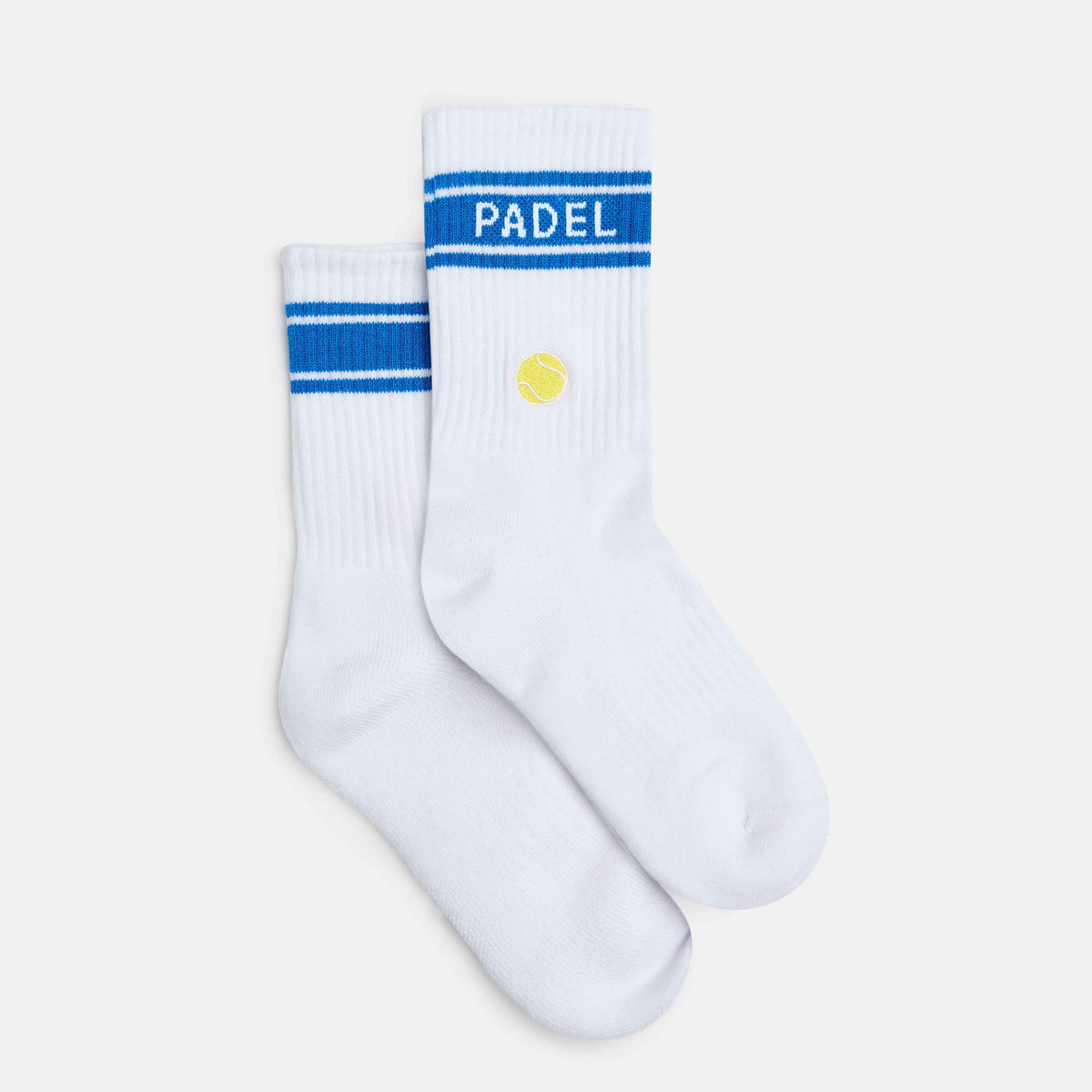
Whether they’re tennis socks, sports socks or quarter socks, good basics are made to be worn again and again. A stain, a slight grey tinge or soles that aren’t quite as brilliantly white as they once were certainly don’t make a good pair of socks a bad one.
With the right care, targeted stain treatment and a few simple household remedies, you can help your favorite white socks stay looking good and wearable for longer.
Because sustainable consumption isn’t just about paying attention to materials and production when we buy something – it’s also about taking good care of the things that are already in our wardrobes.