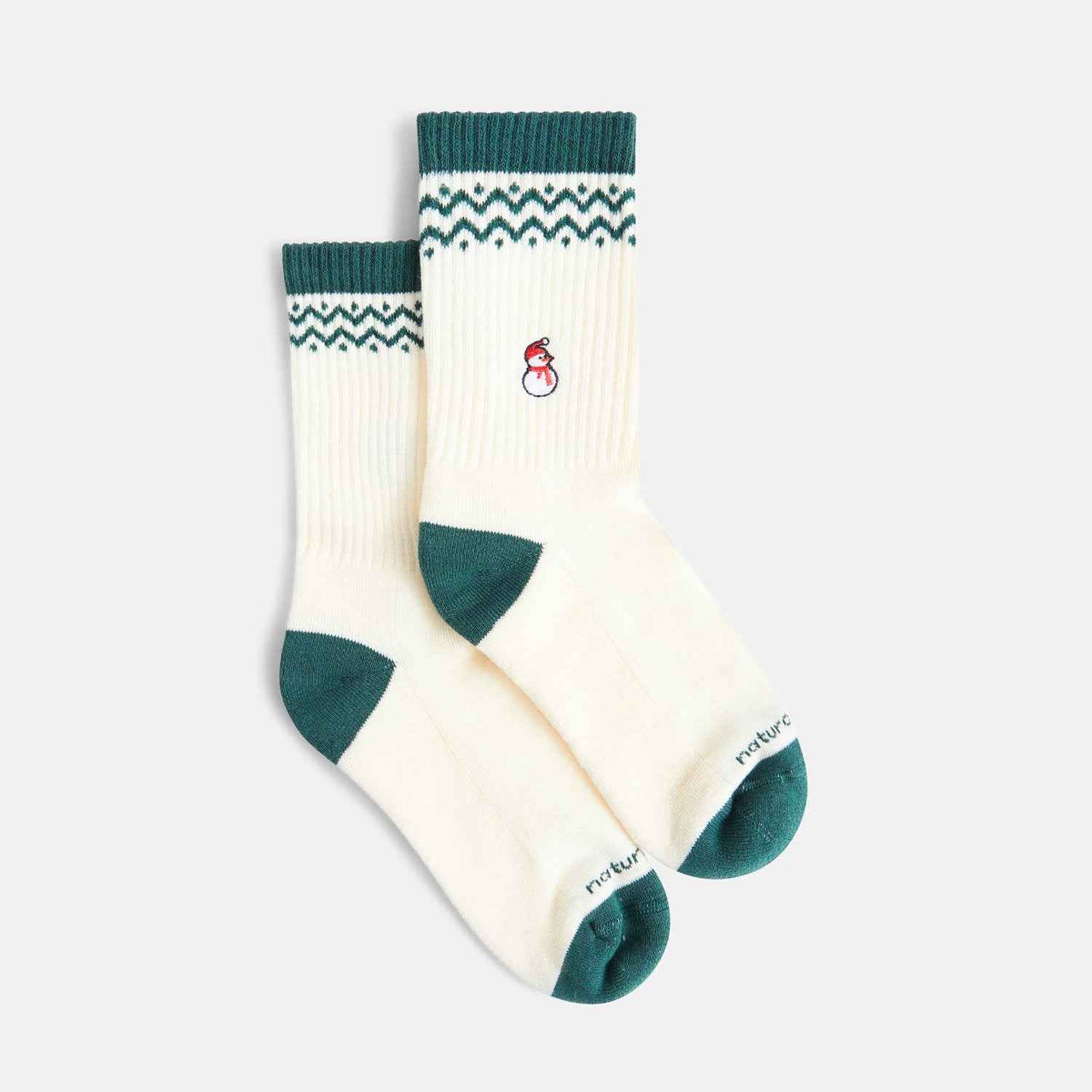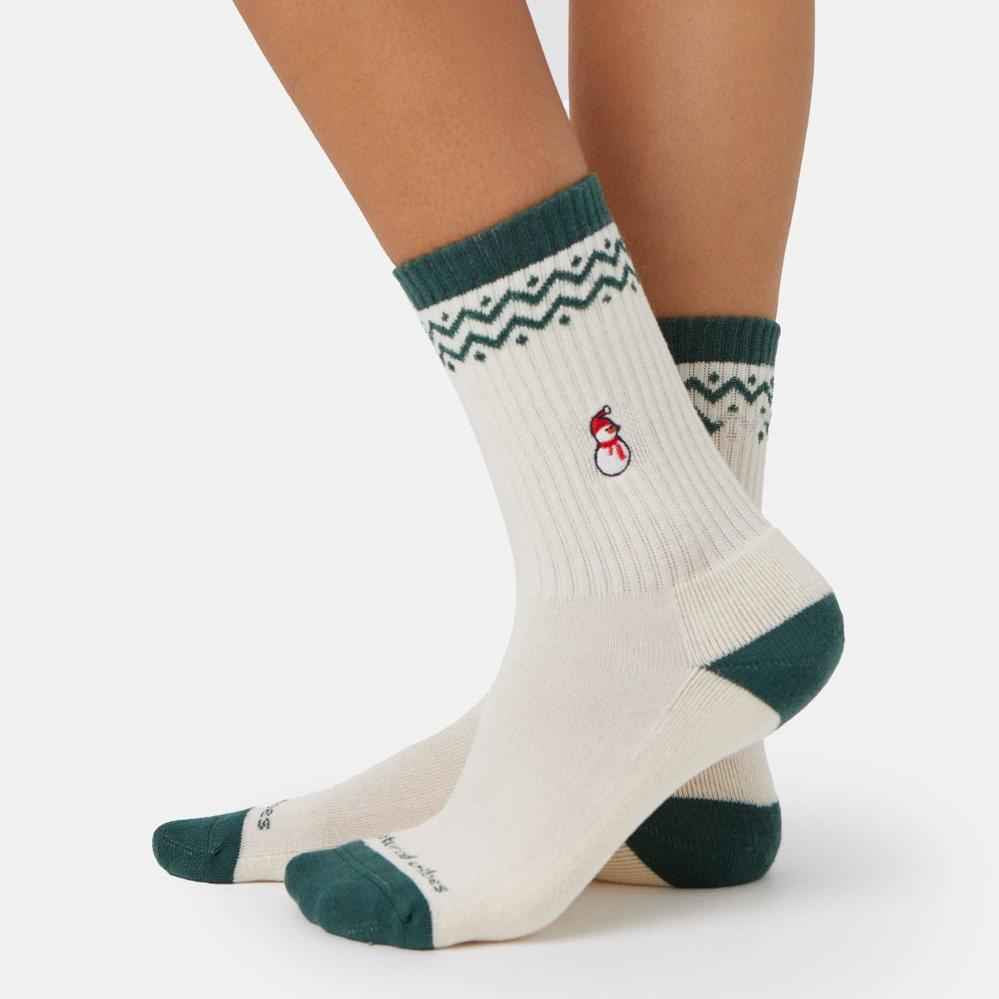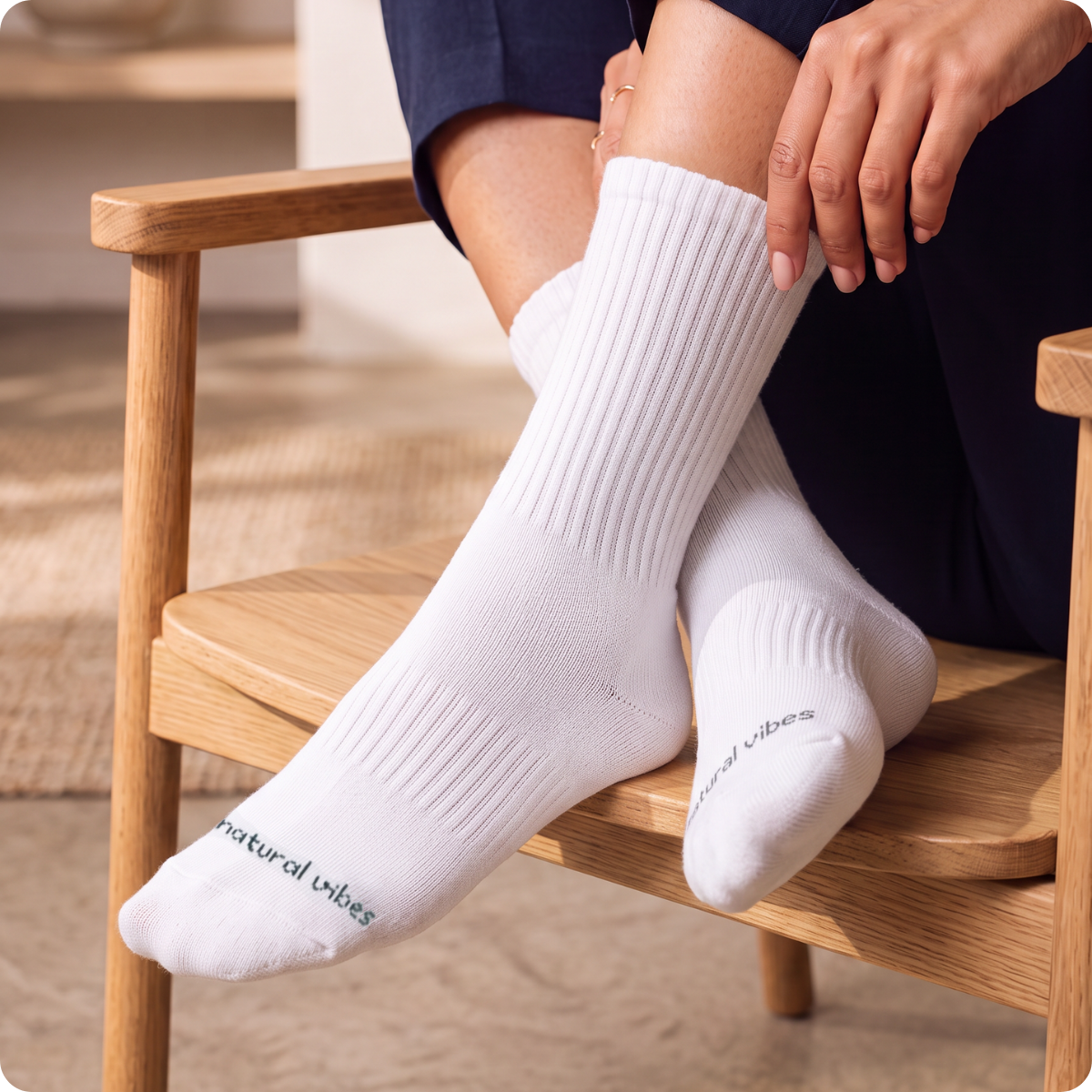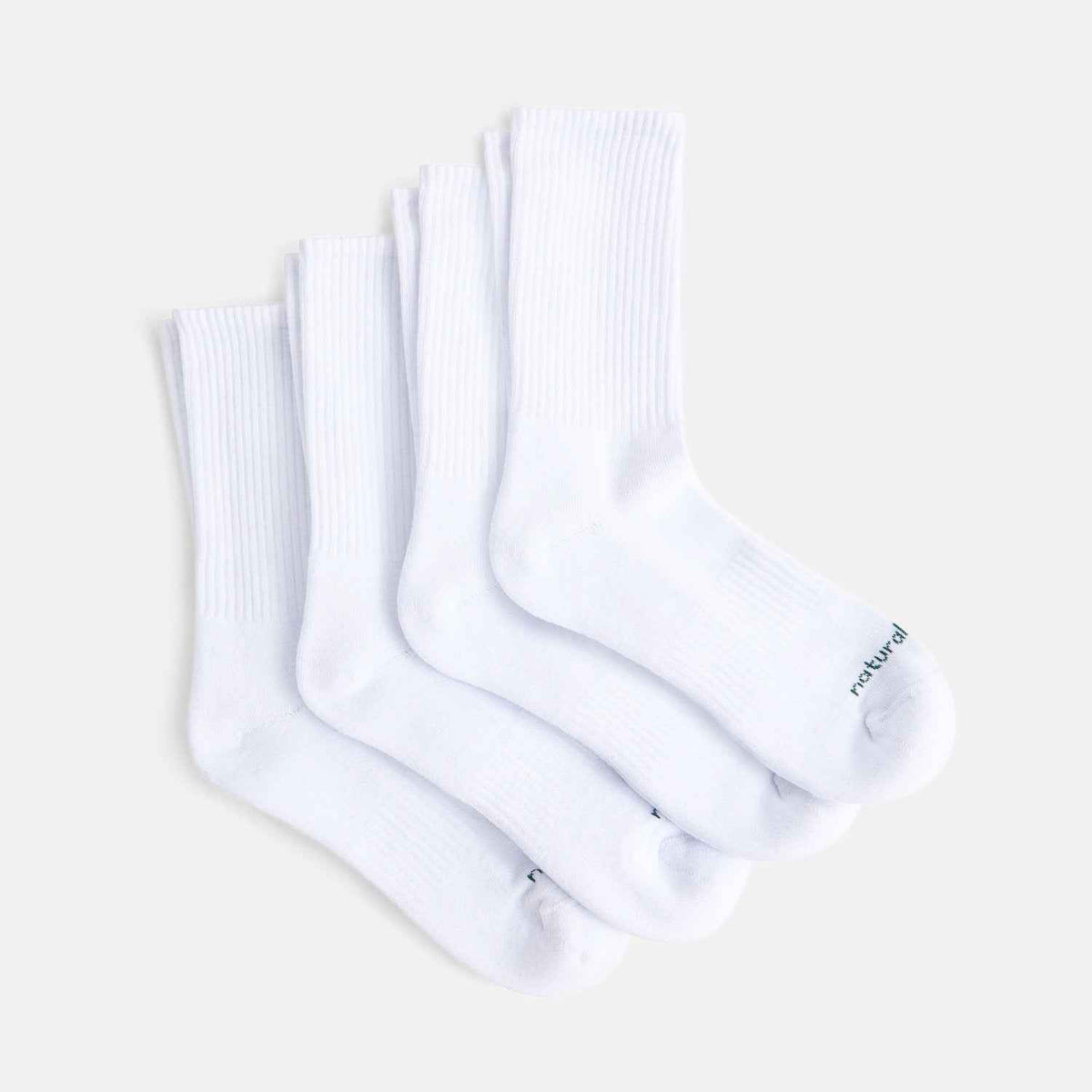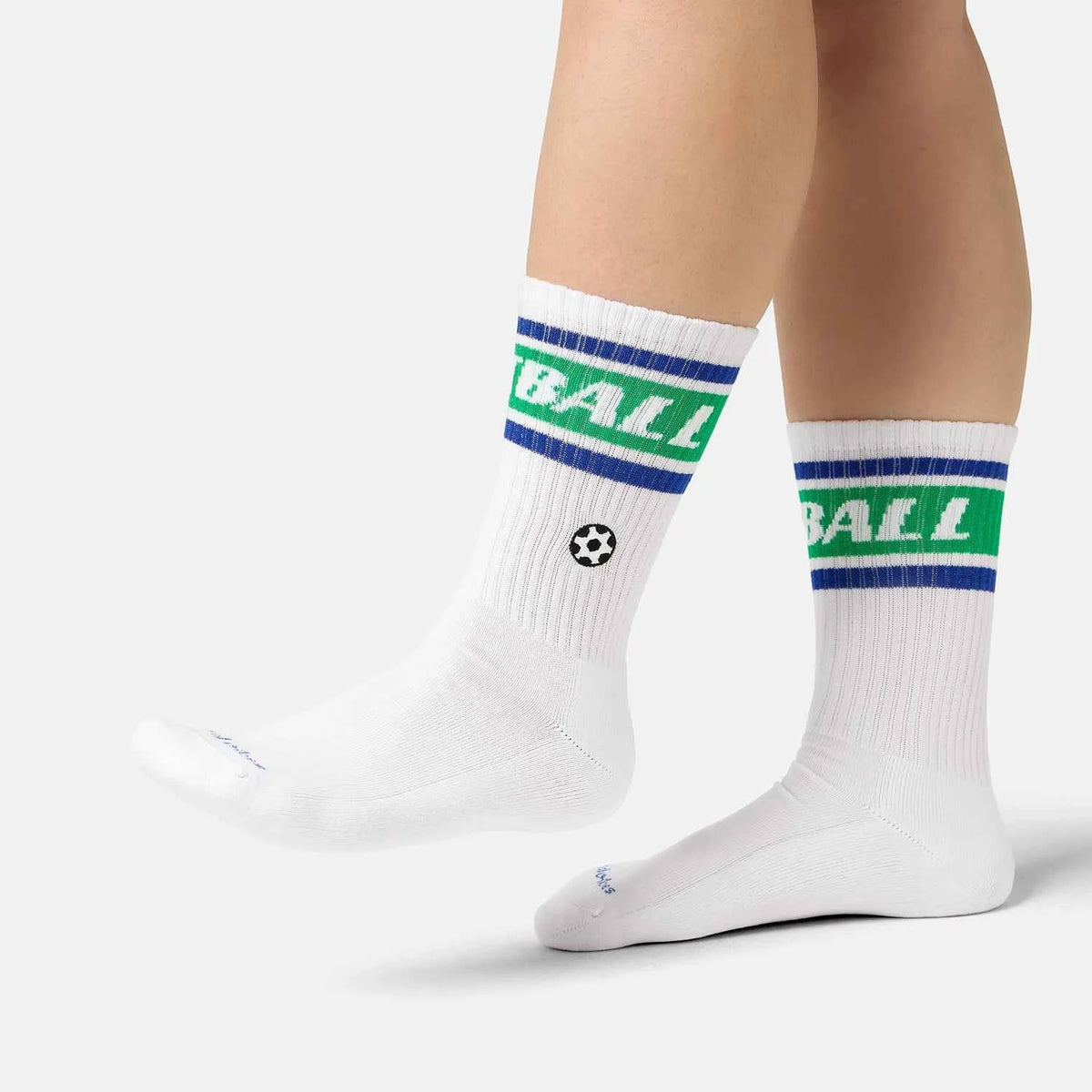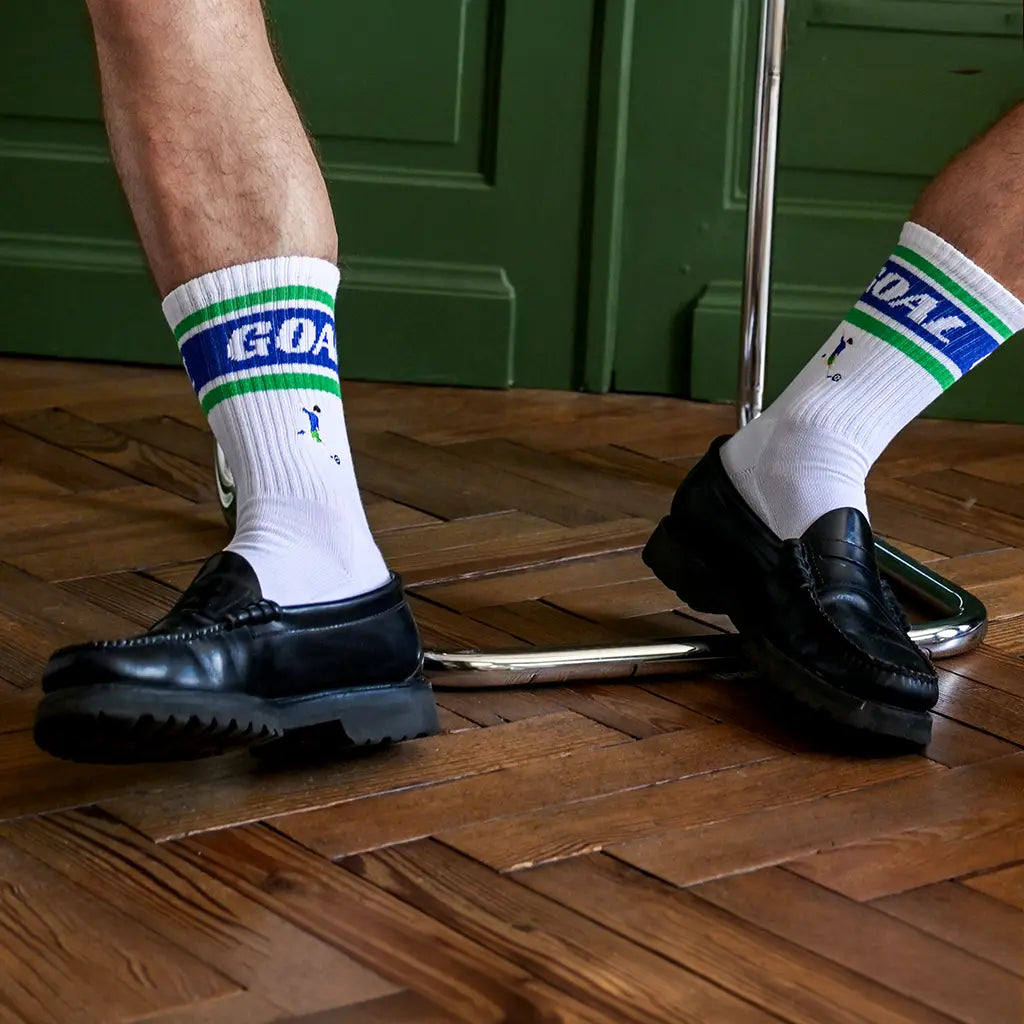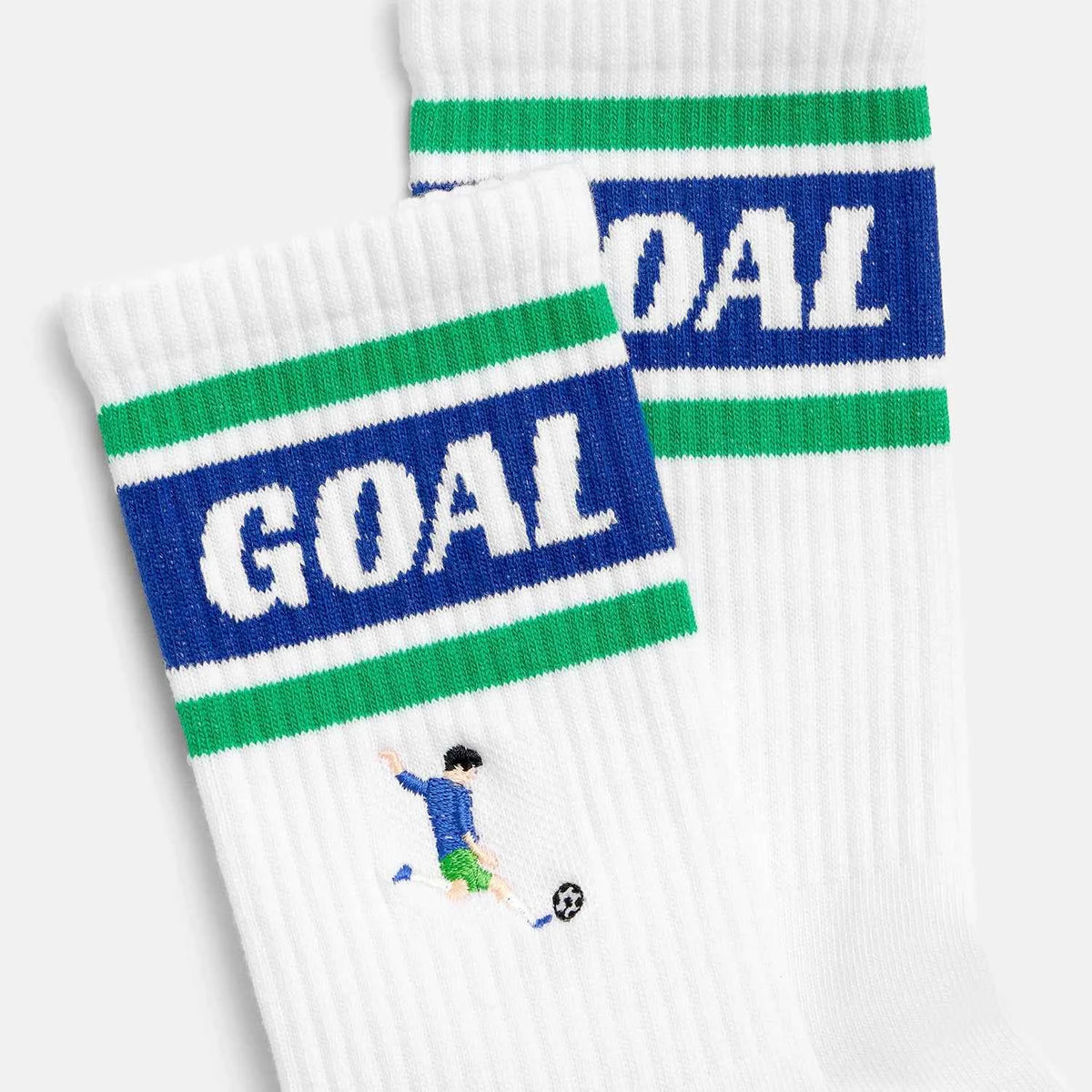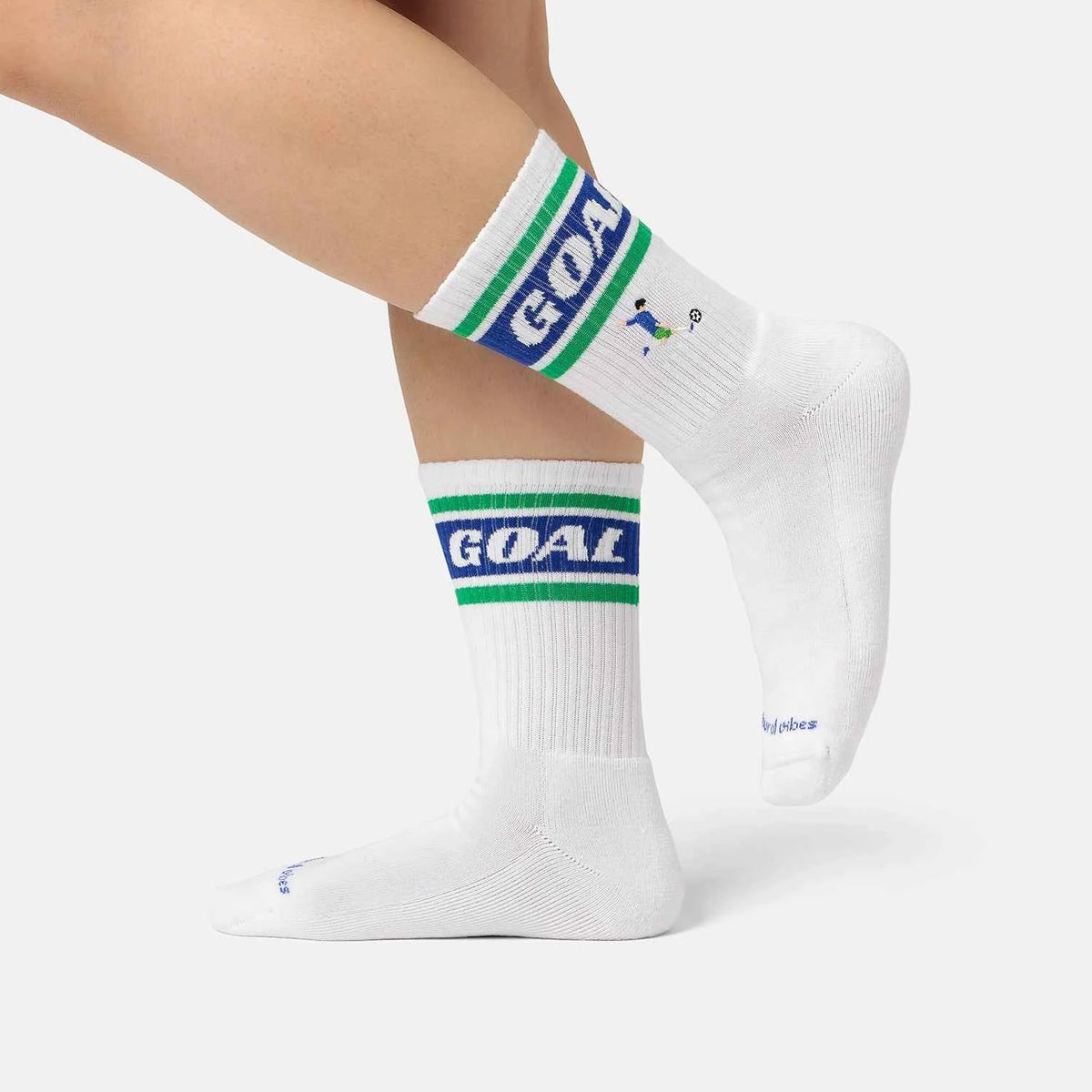


Cold feet can make even the cosiest autumn or winter day rather uncomfortable. But which socks actually keep your feet warm – and do they always have to be made of wool?
Not necessarily. How warm a pair of socks feels depends on more than just the material. Thickness, knitting technique, moisture management, footwear and, of course, the surrounding temperature all play a role. That's why you need different socks for a normal day at the office or at home than for a long winter walk in freezing temperatures.
Which Socks Keep Your Feet the Warmest?
When temperatures drop really low, wool socks are among the warmest options. Wool can trap air, creating an insulating layer that helps retain heat. However, the way the socks are made is just as important: looser, more voluminous structures with small air pockets provide better insulation than very thin, tightly knitted fabrics.
People who prefer to avoid animal-derived materials often look for a vegan alternative to wool socks. For many everyday situations, socks with a high cotton content are a good choice, particularly when extreme cold isn't expected. Cotton is a plant-based alternative for anyone who wants to avoid animal fibres altogether.

Which Socks Keep Your Feet Warm at Everyday Temperatures?
The warmest socks aren't necessarily the best socks for every situation.
At temperatures of around 15°C and above, such as those commonly found in heated indoor spaces throughout much of the year, regular everyday socks are usually perfectly sufficient. Rather than maximum insulation, what matters here is having a comfortable layer between your feet and your shoes.
In the office, while shopping, at a café or relaxing at home, particularly thick winter socks might even be too much of a good thing. If your feet get too warm and start sweating, moisture builds up – and damp feet can get cold more quickly. That's why keeping your feet at a comfortable temperature is an important part of keeping them warm.
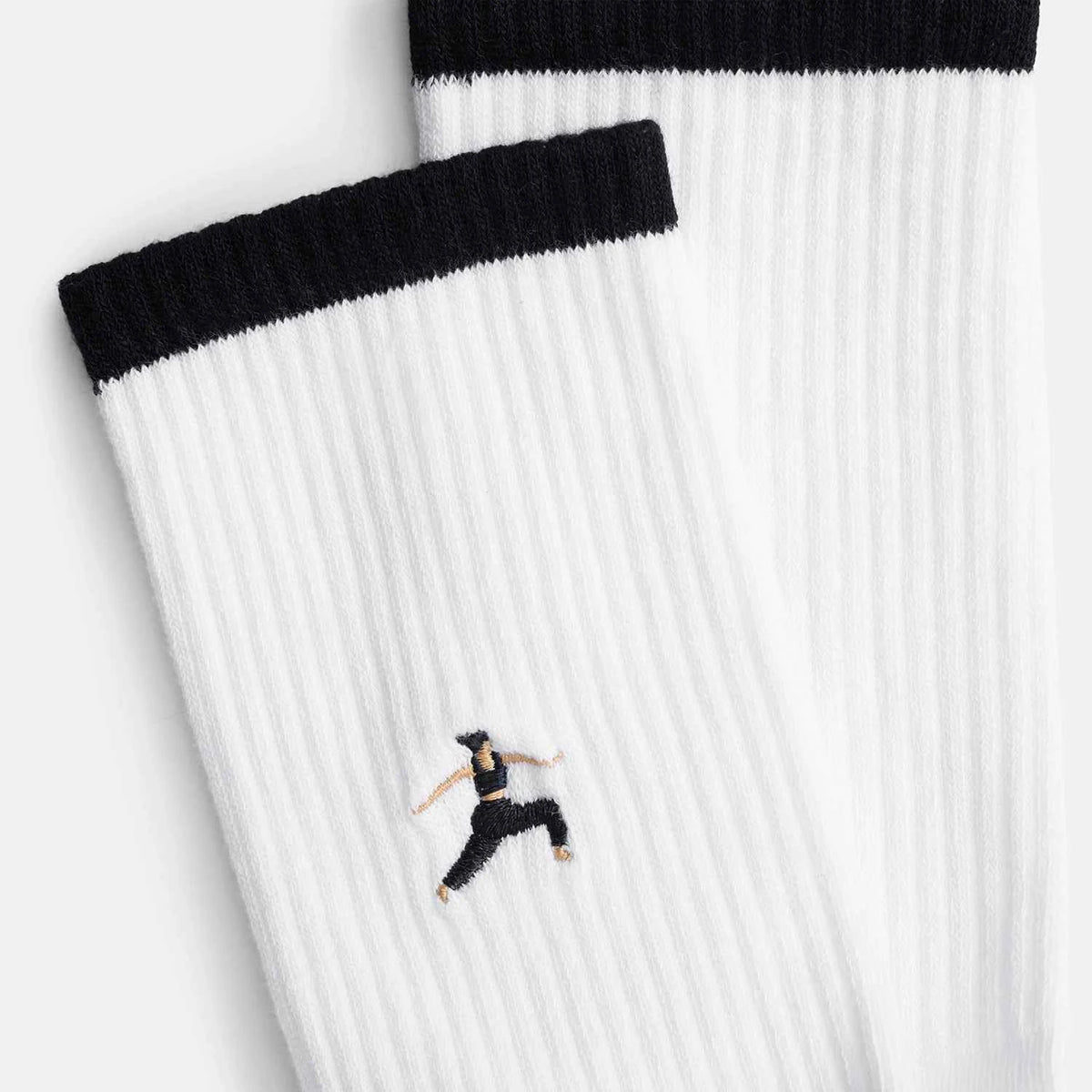
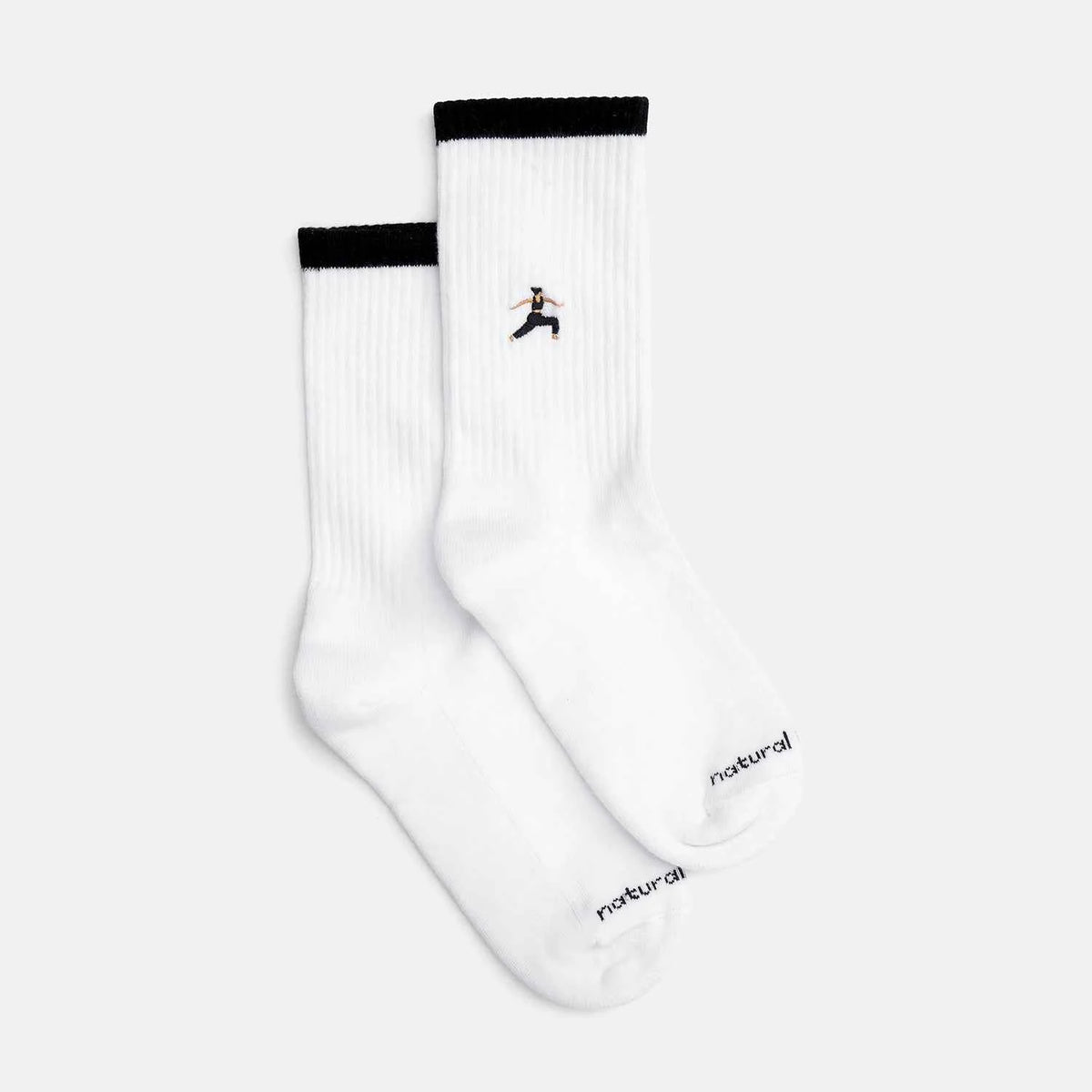
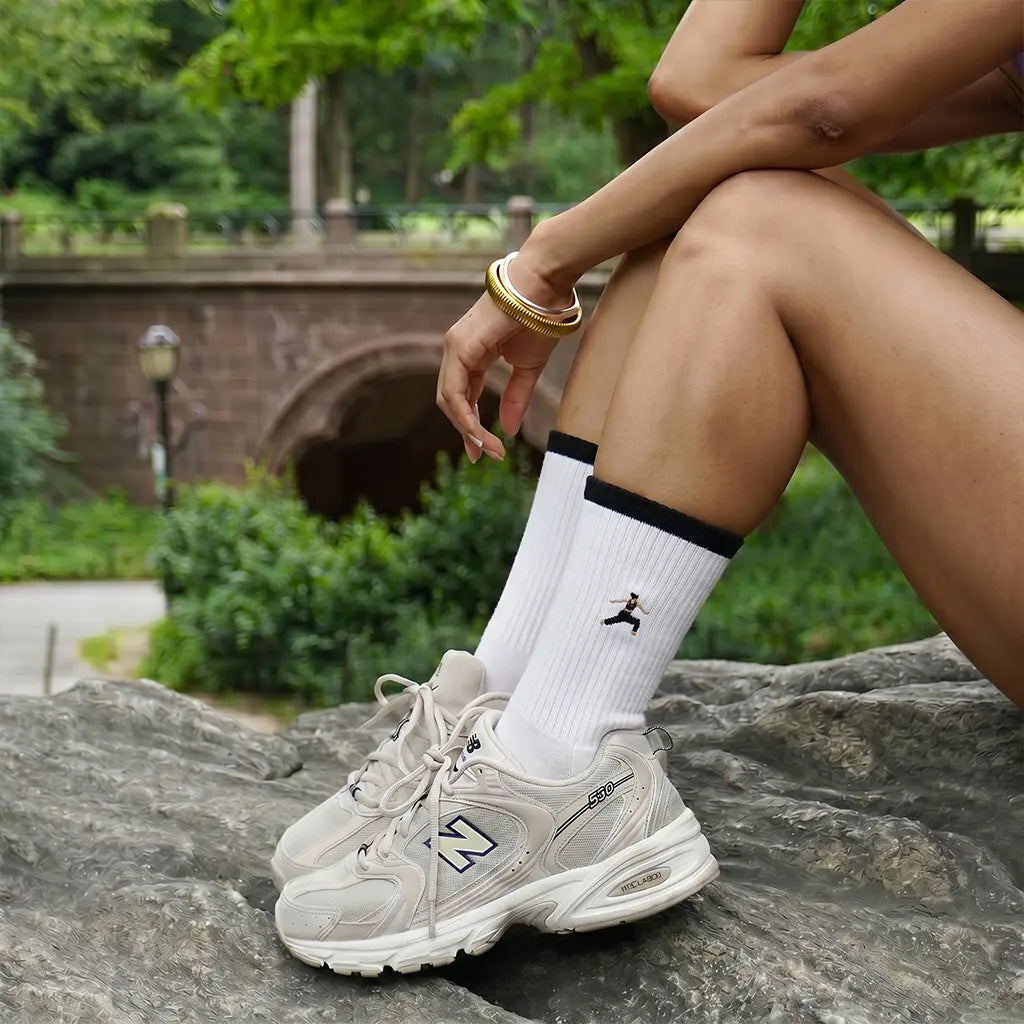
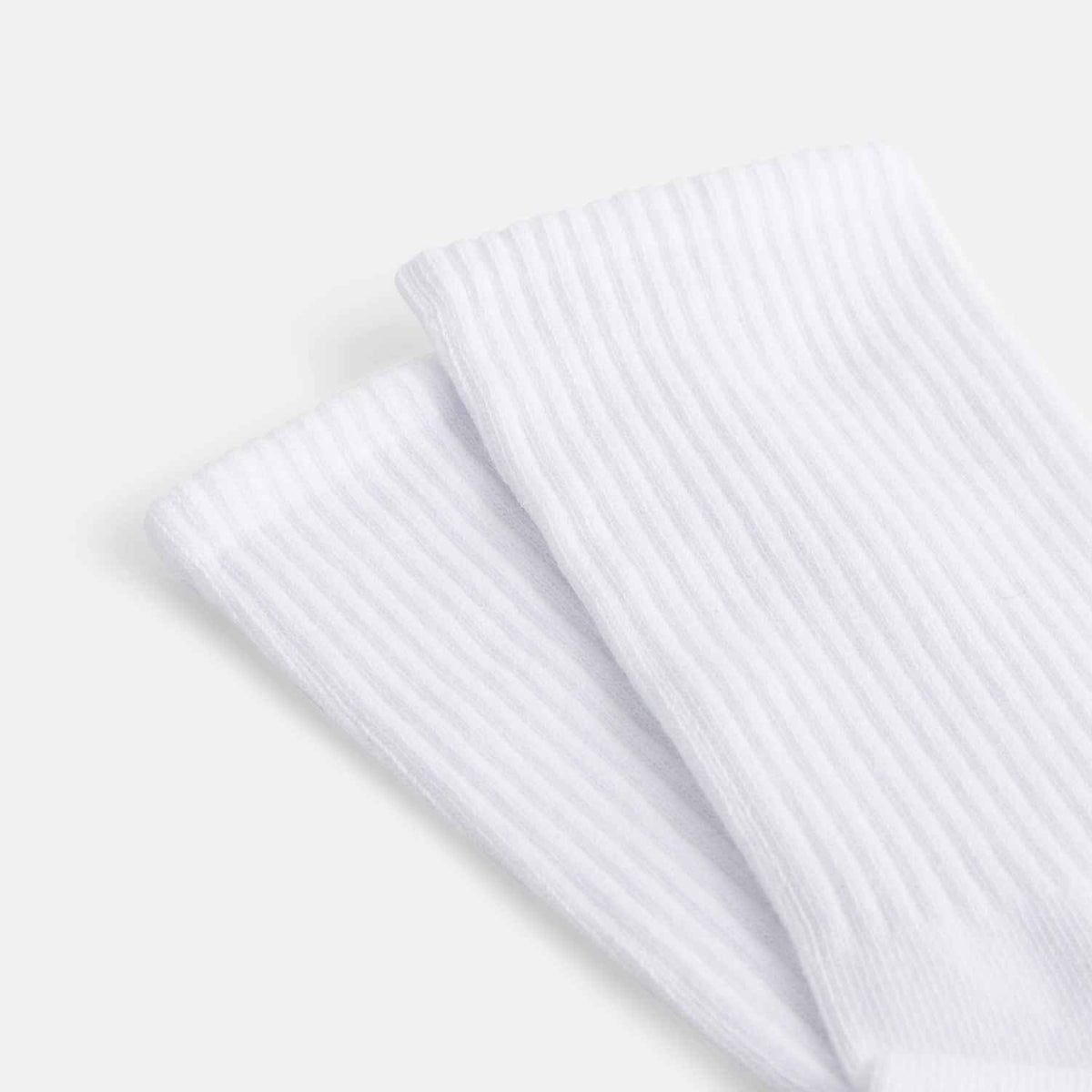
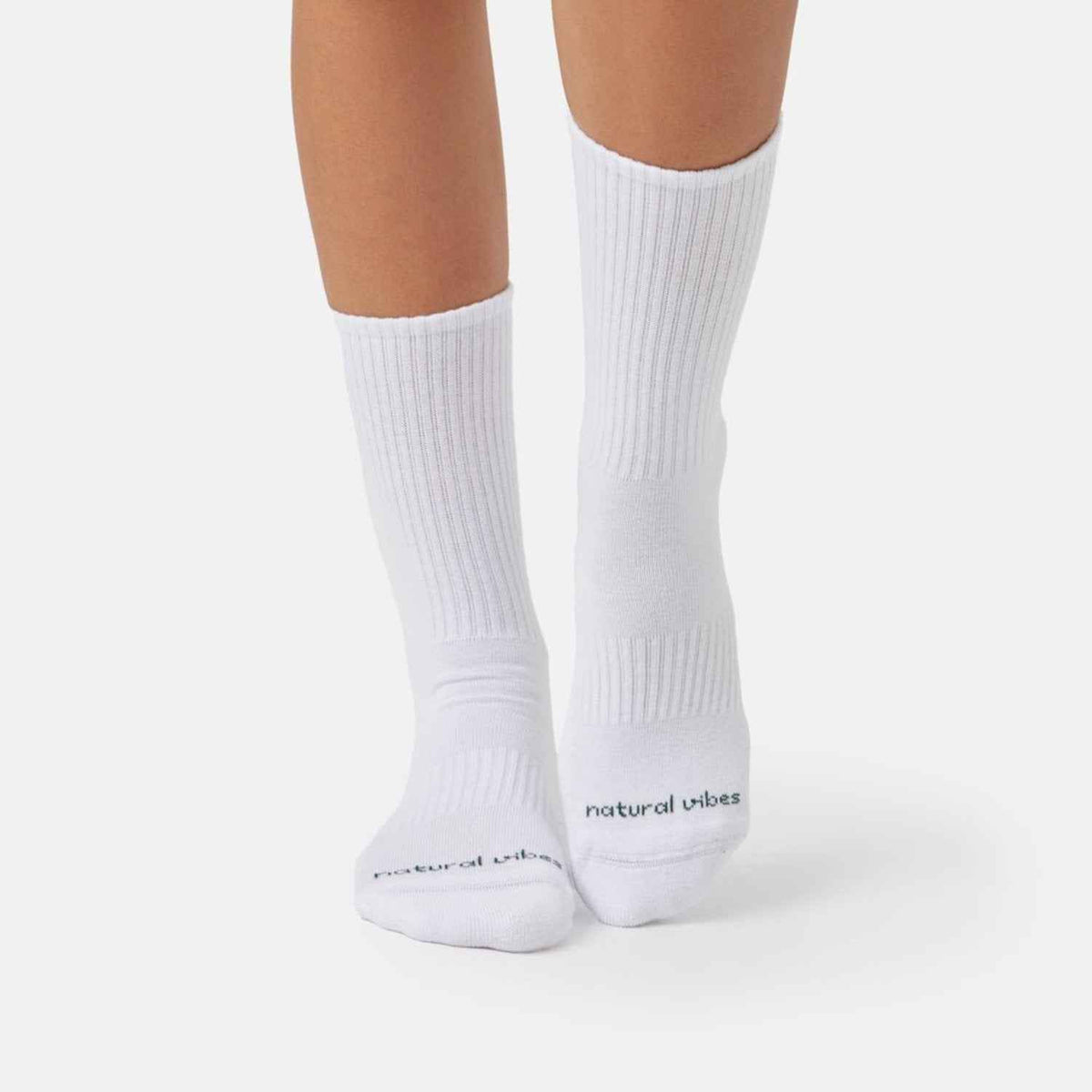
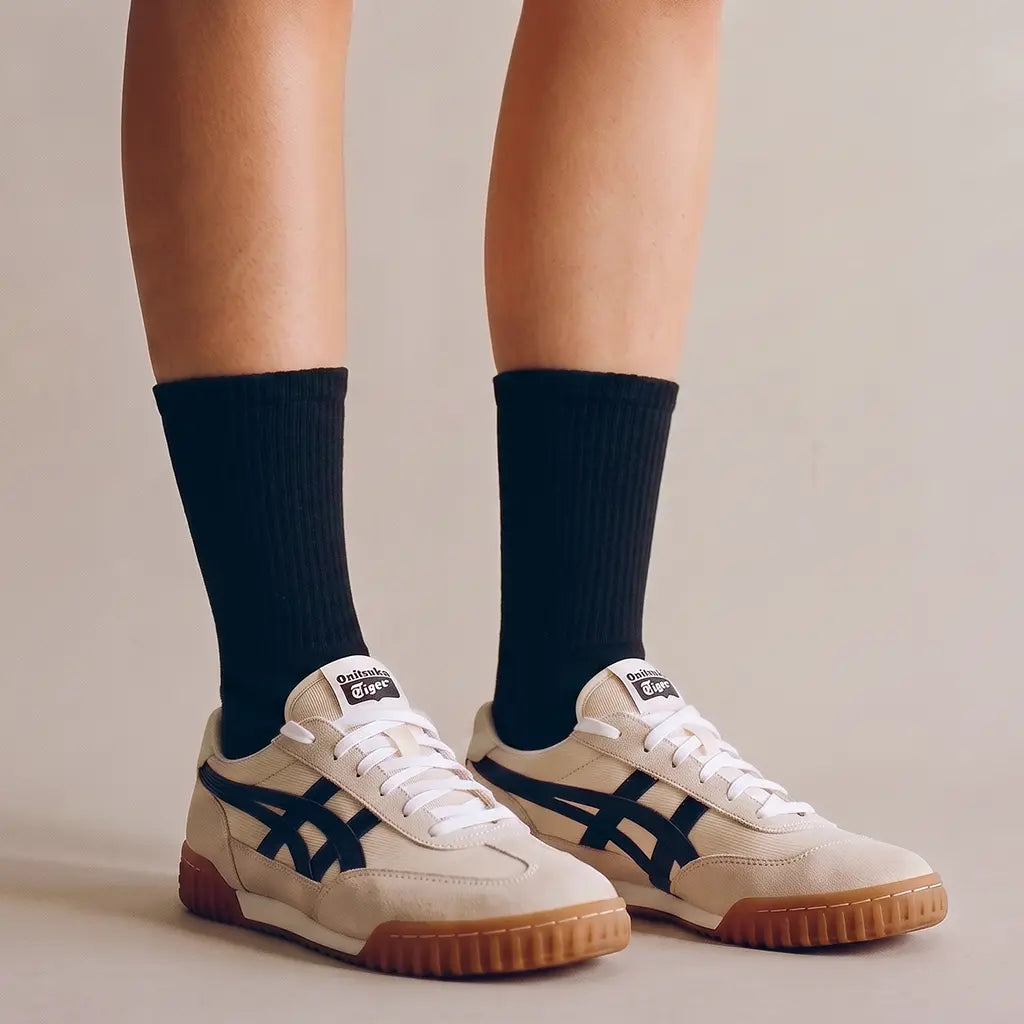
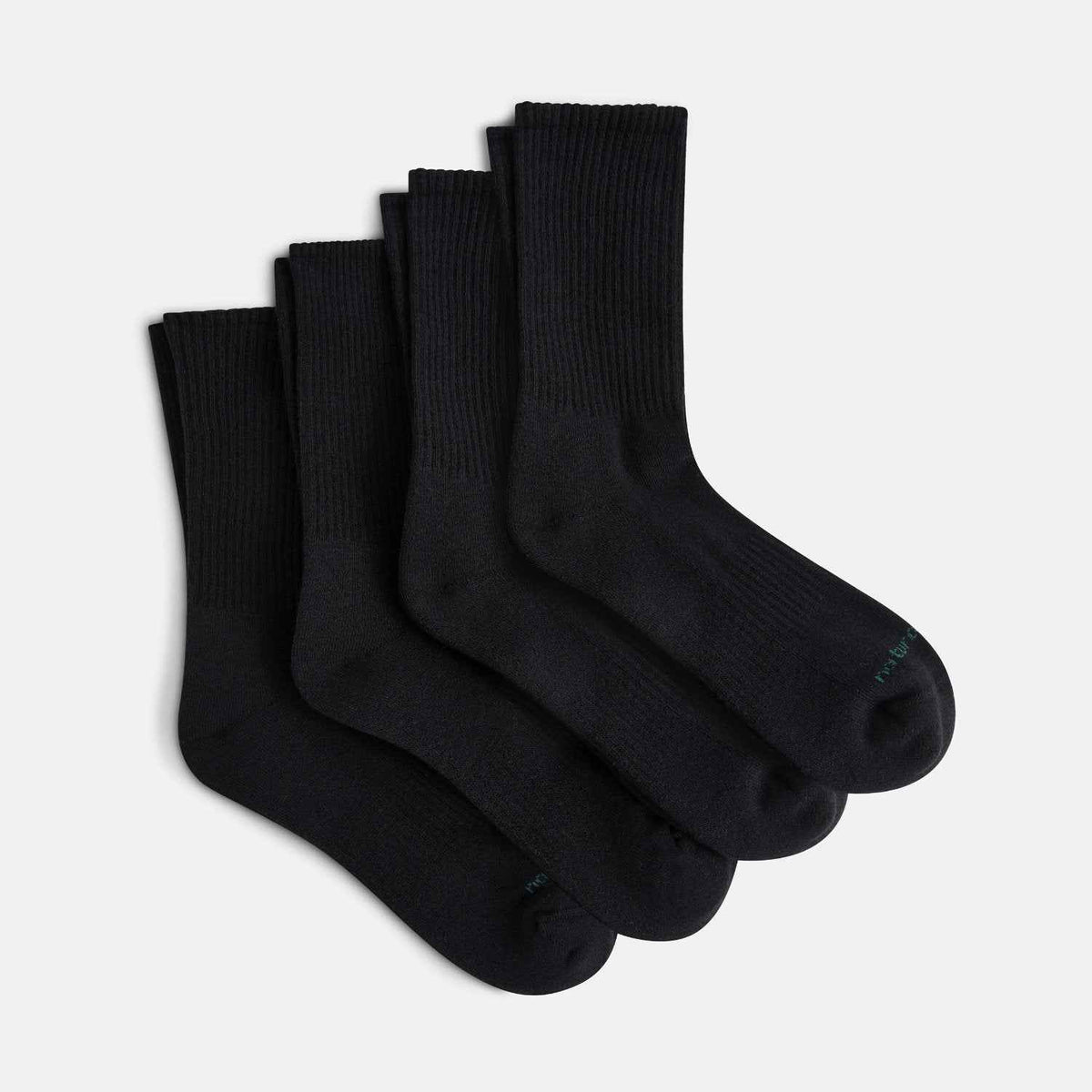
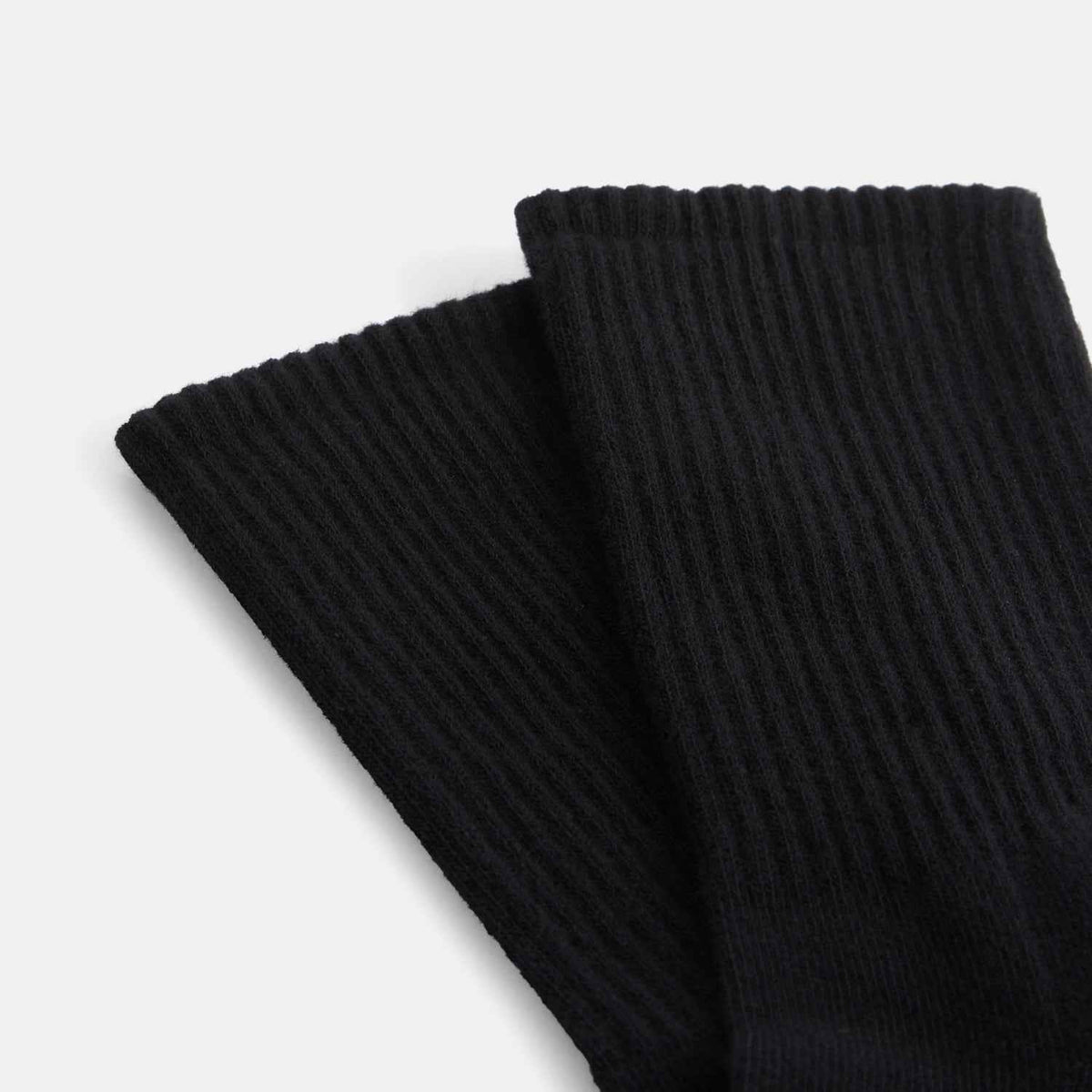
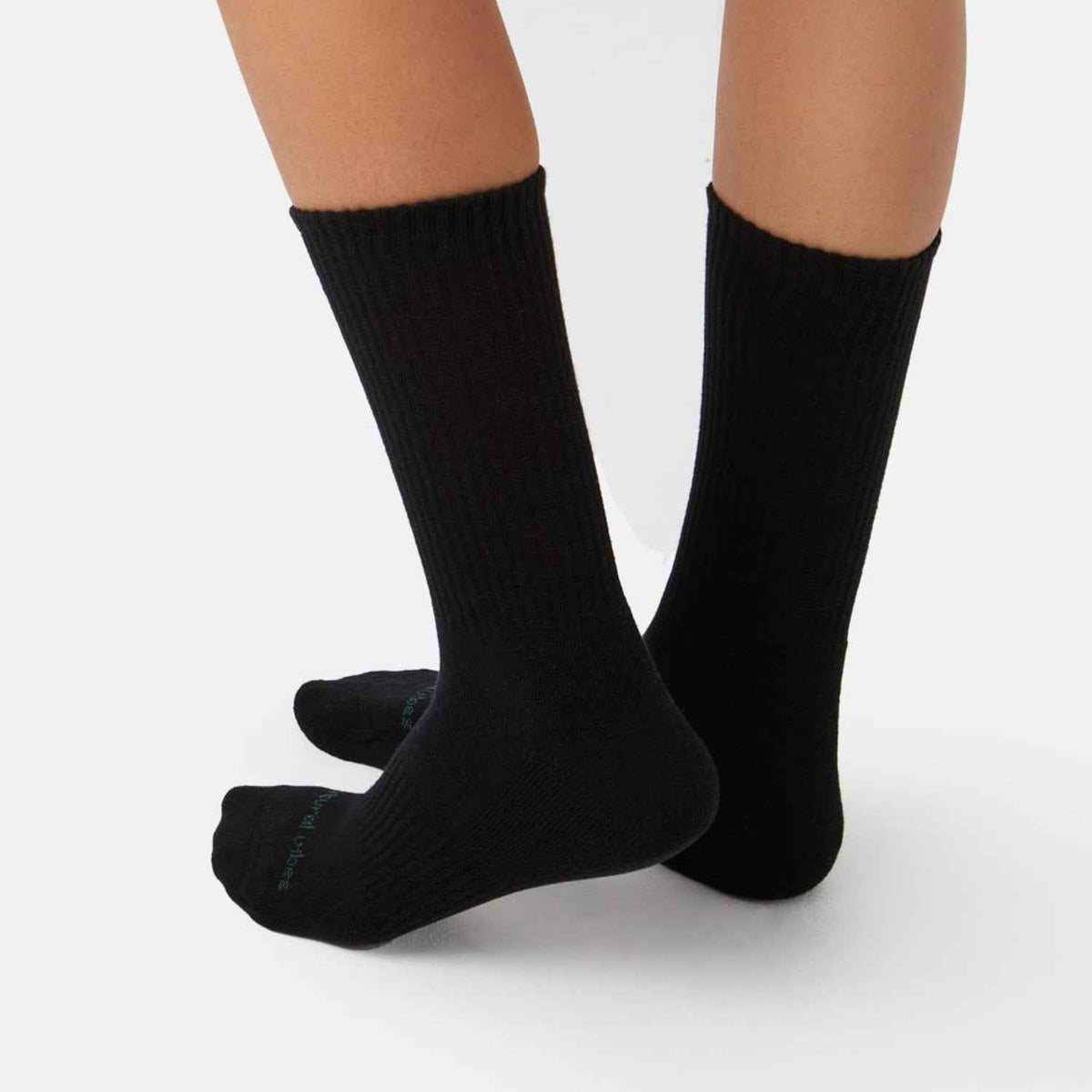
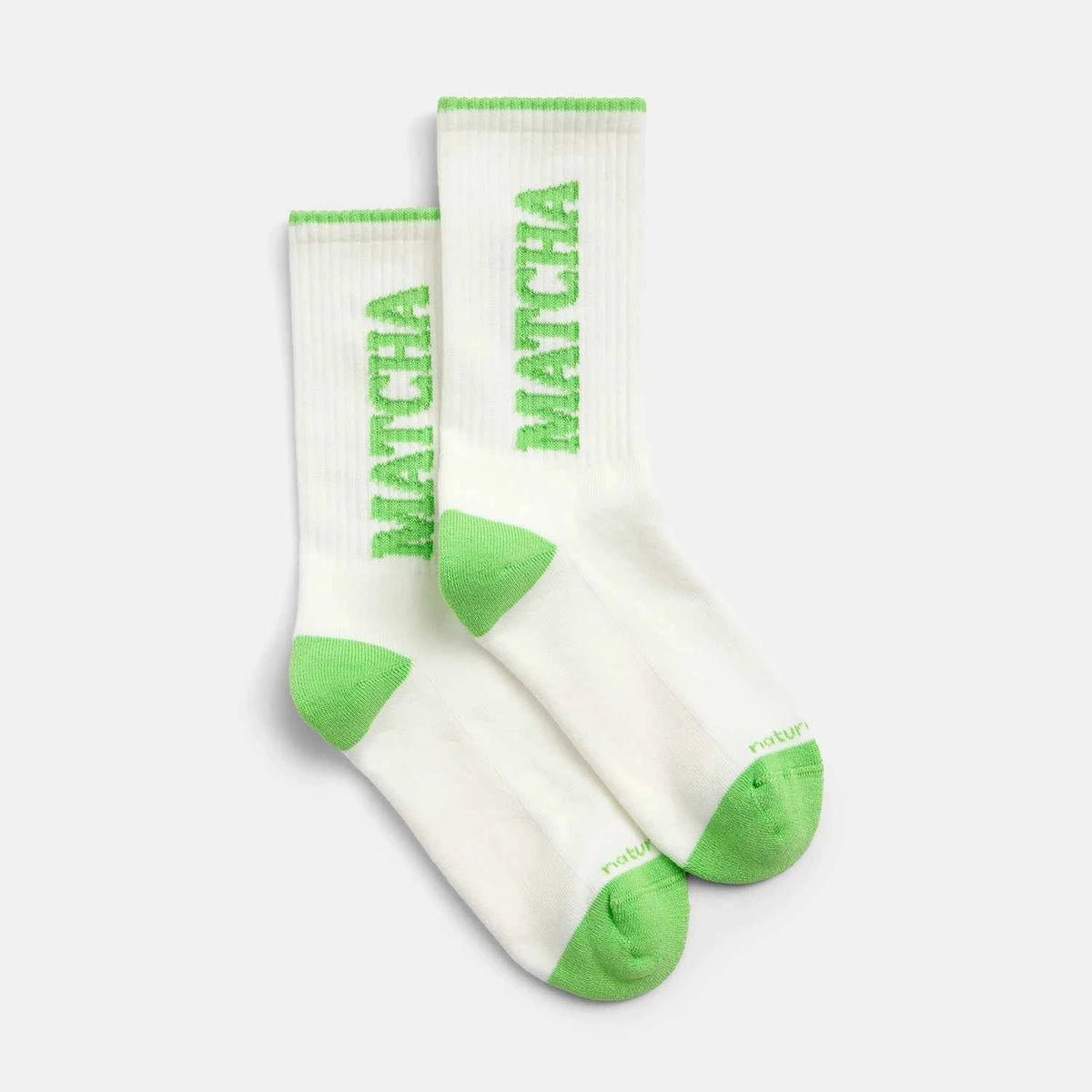
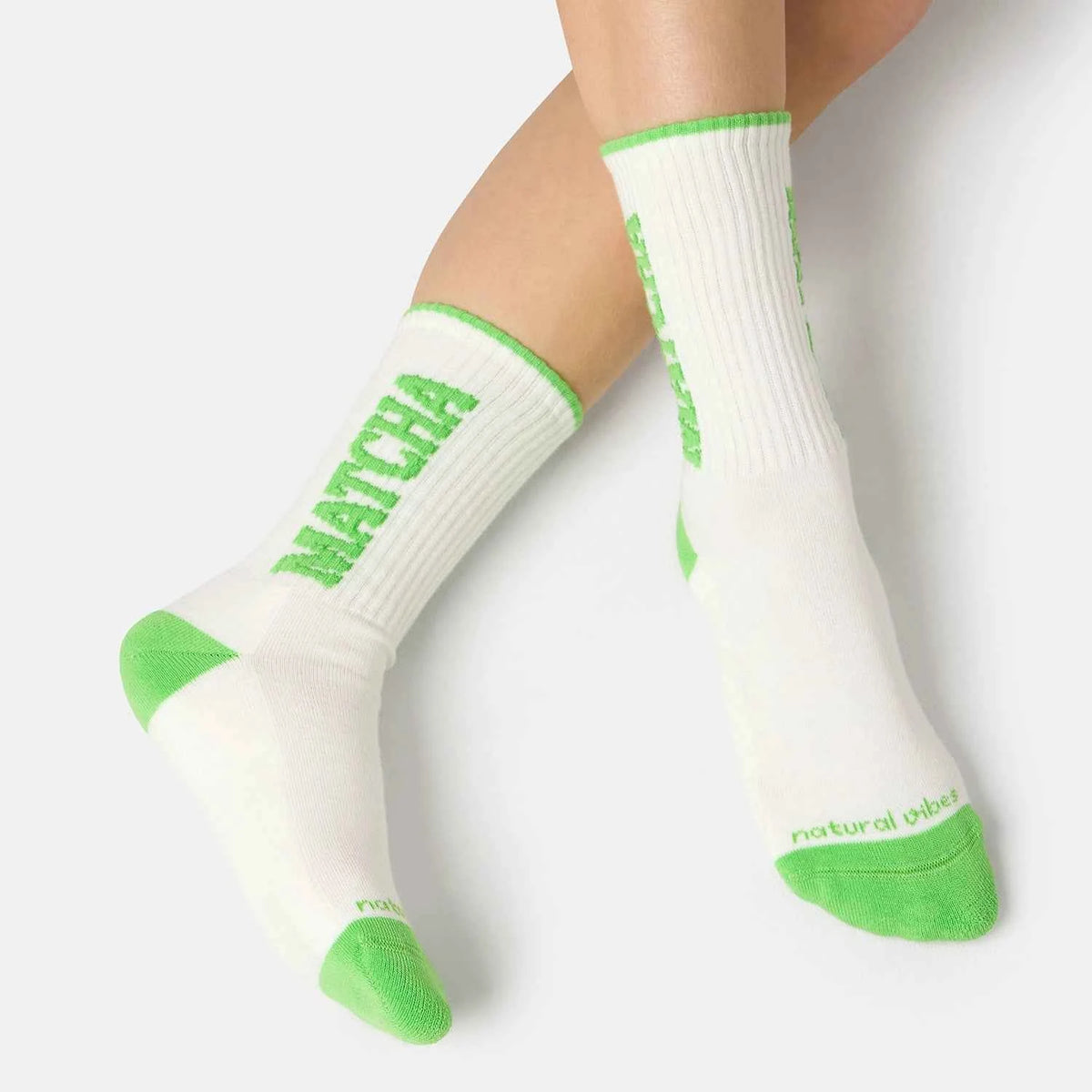
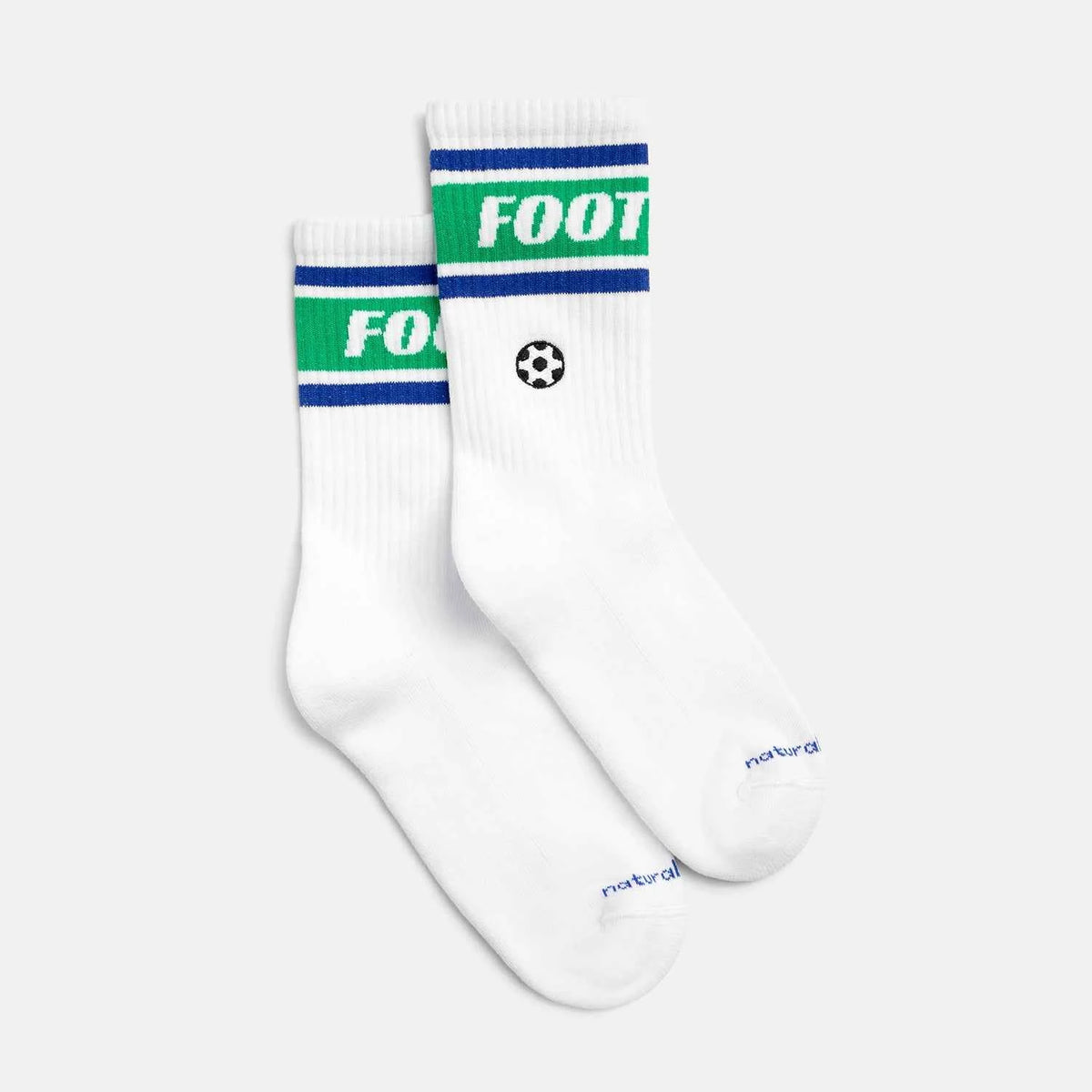
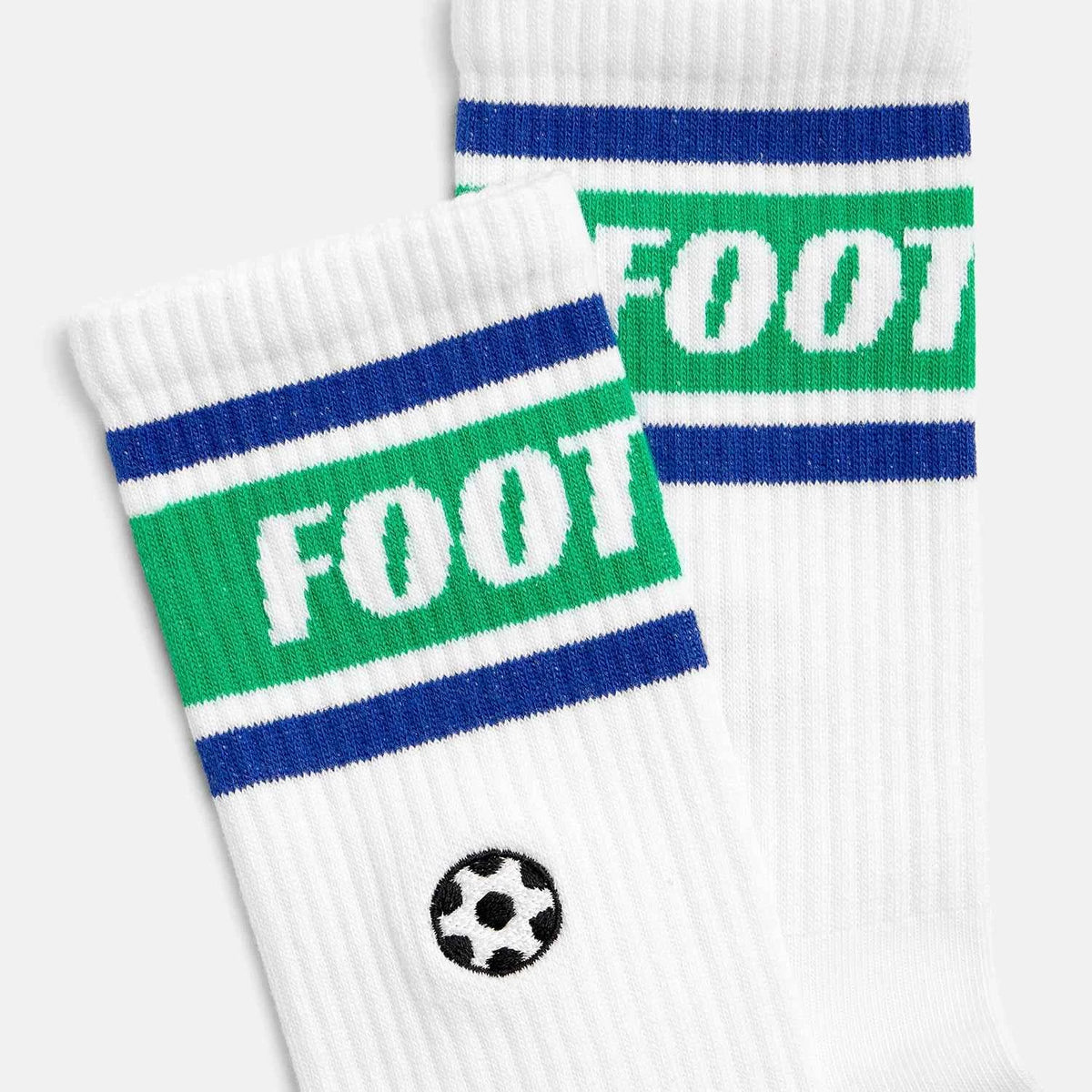
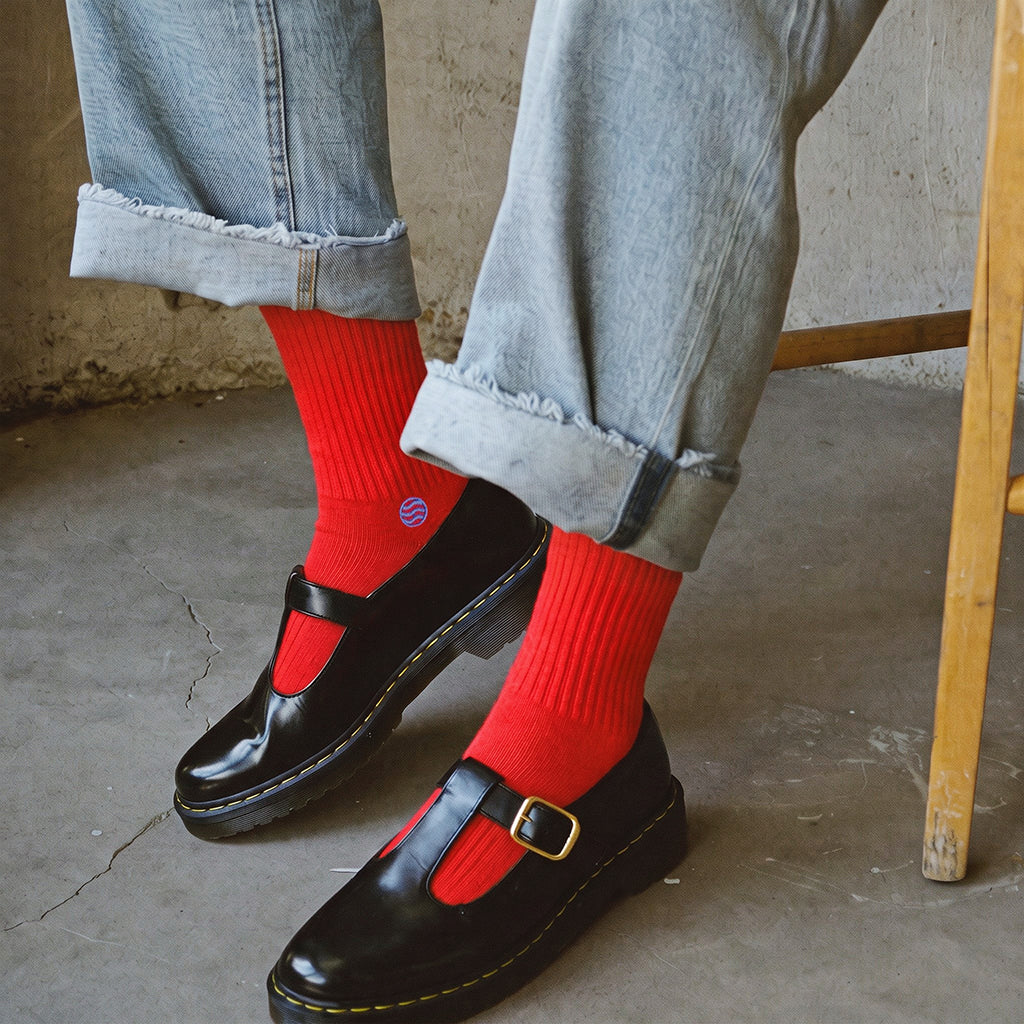
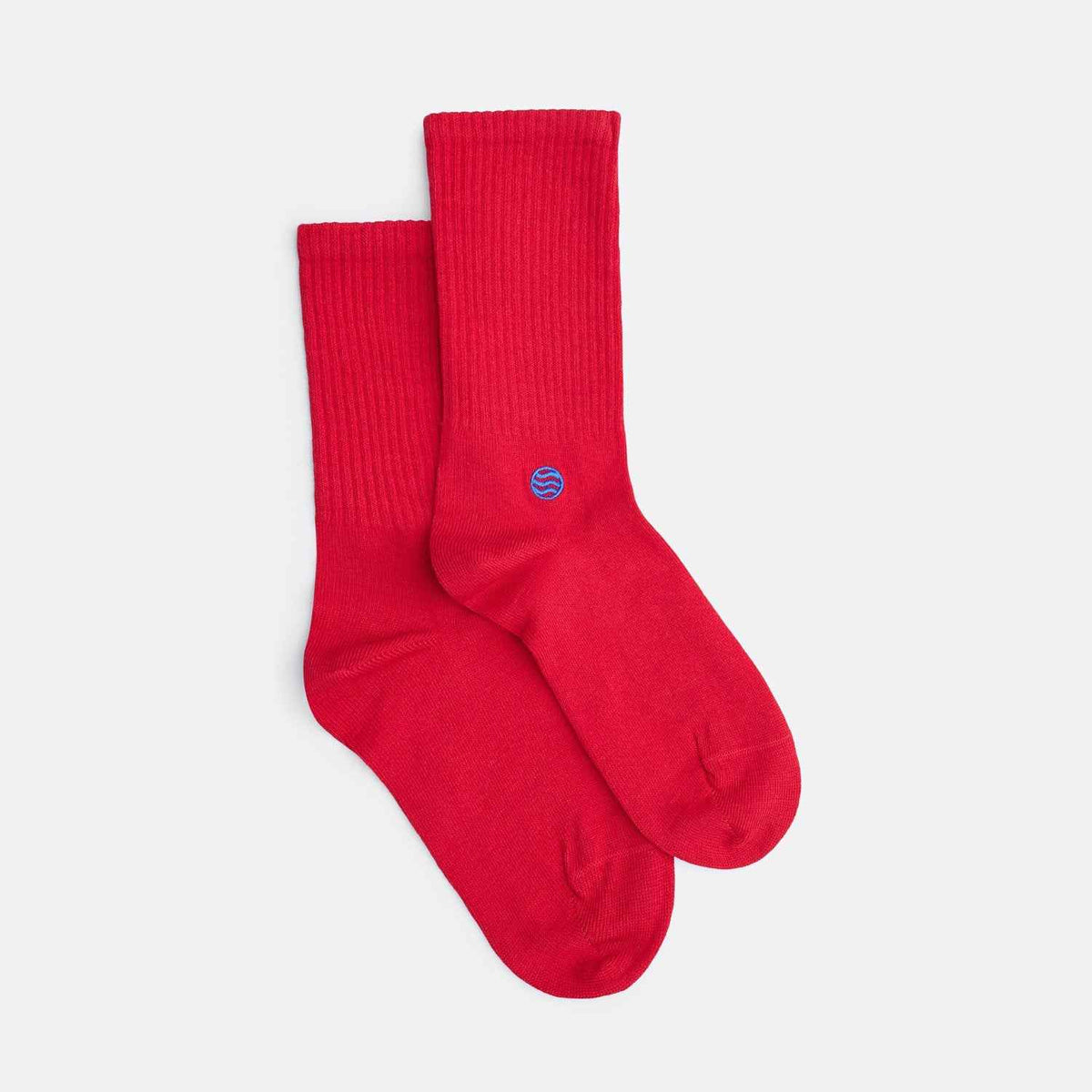
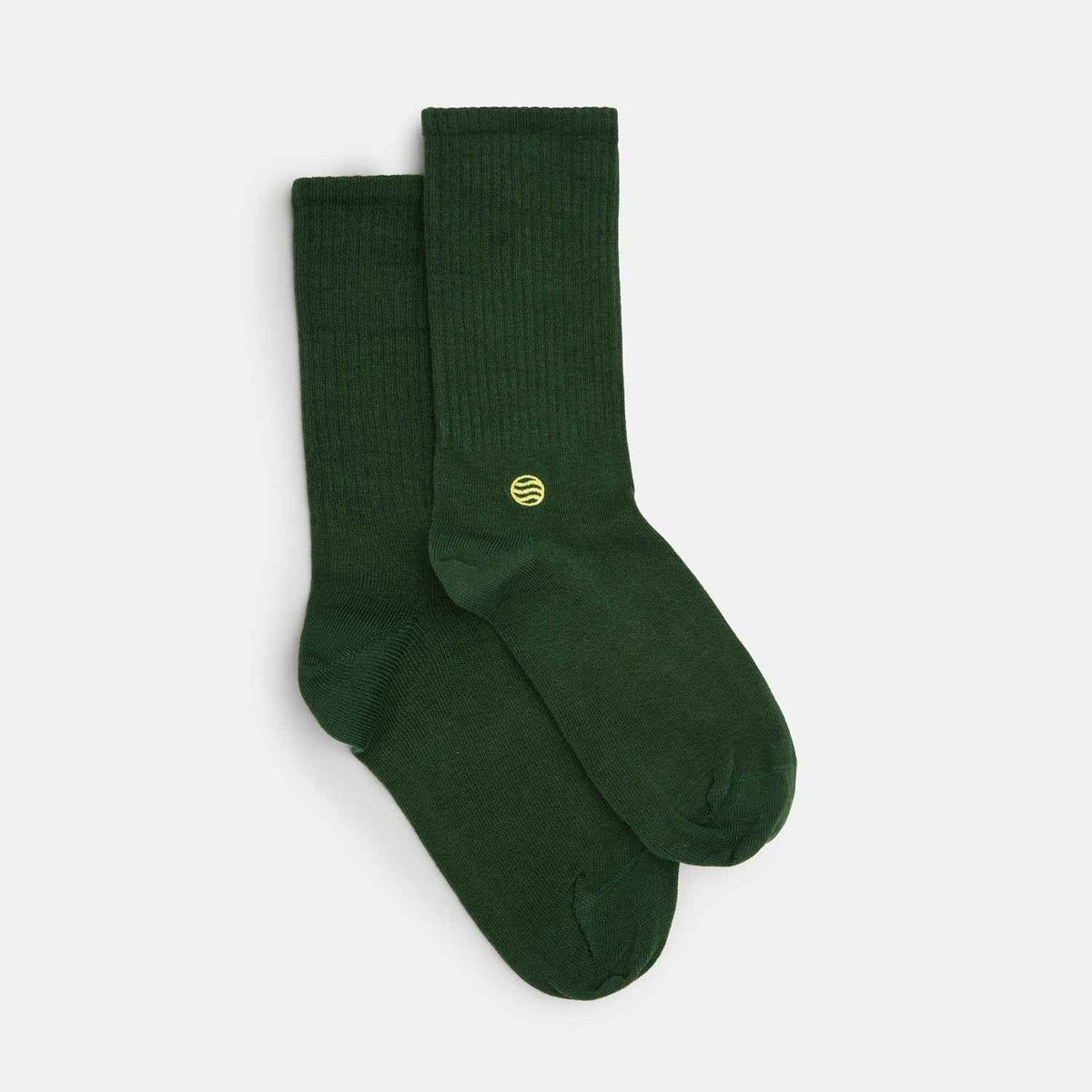
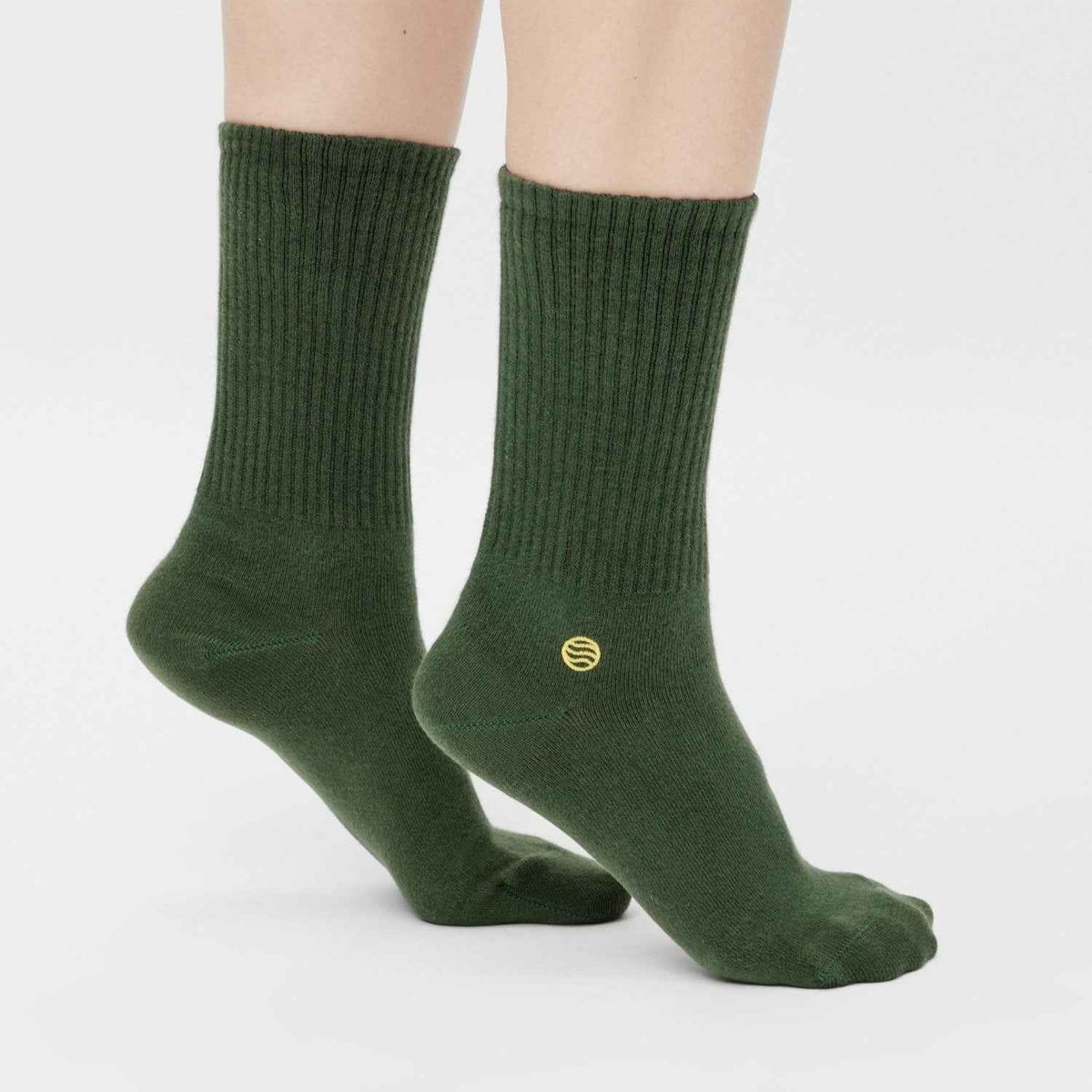
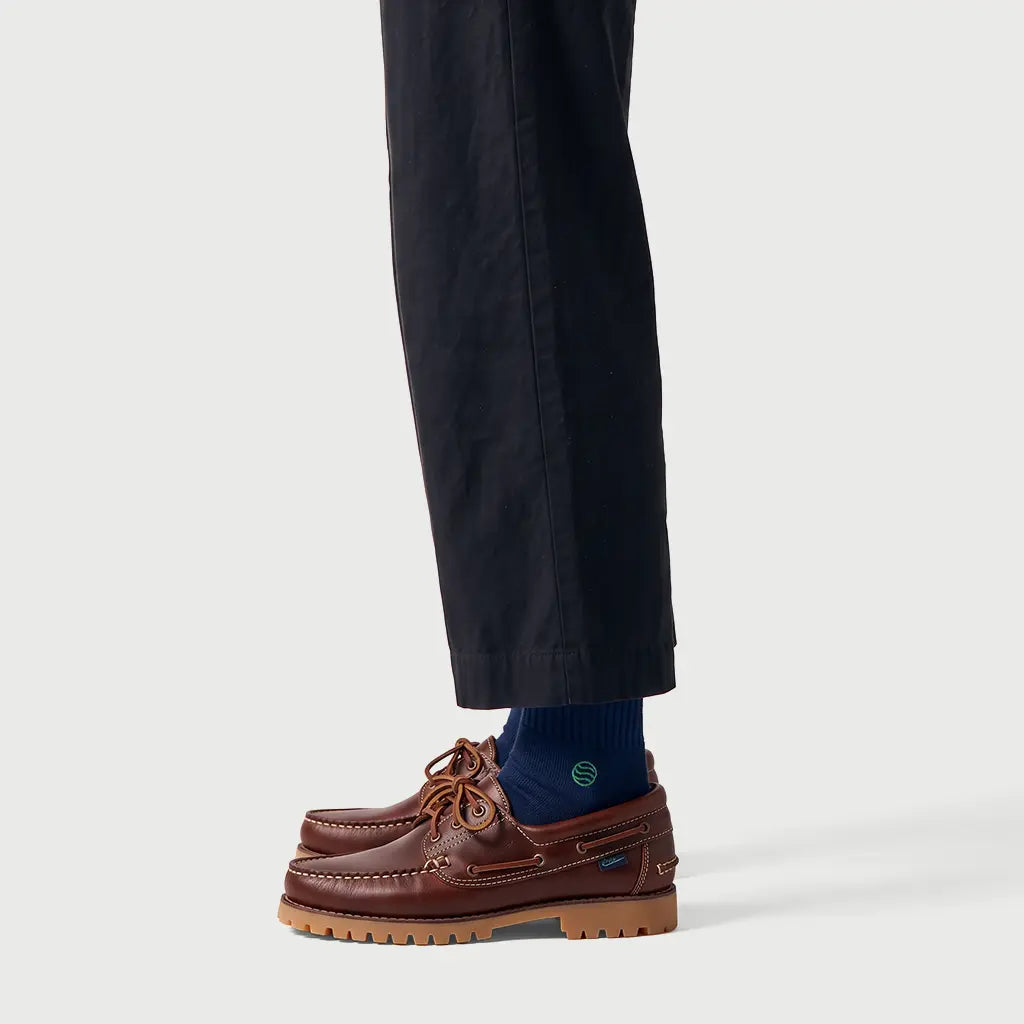
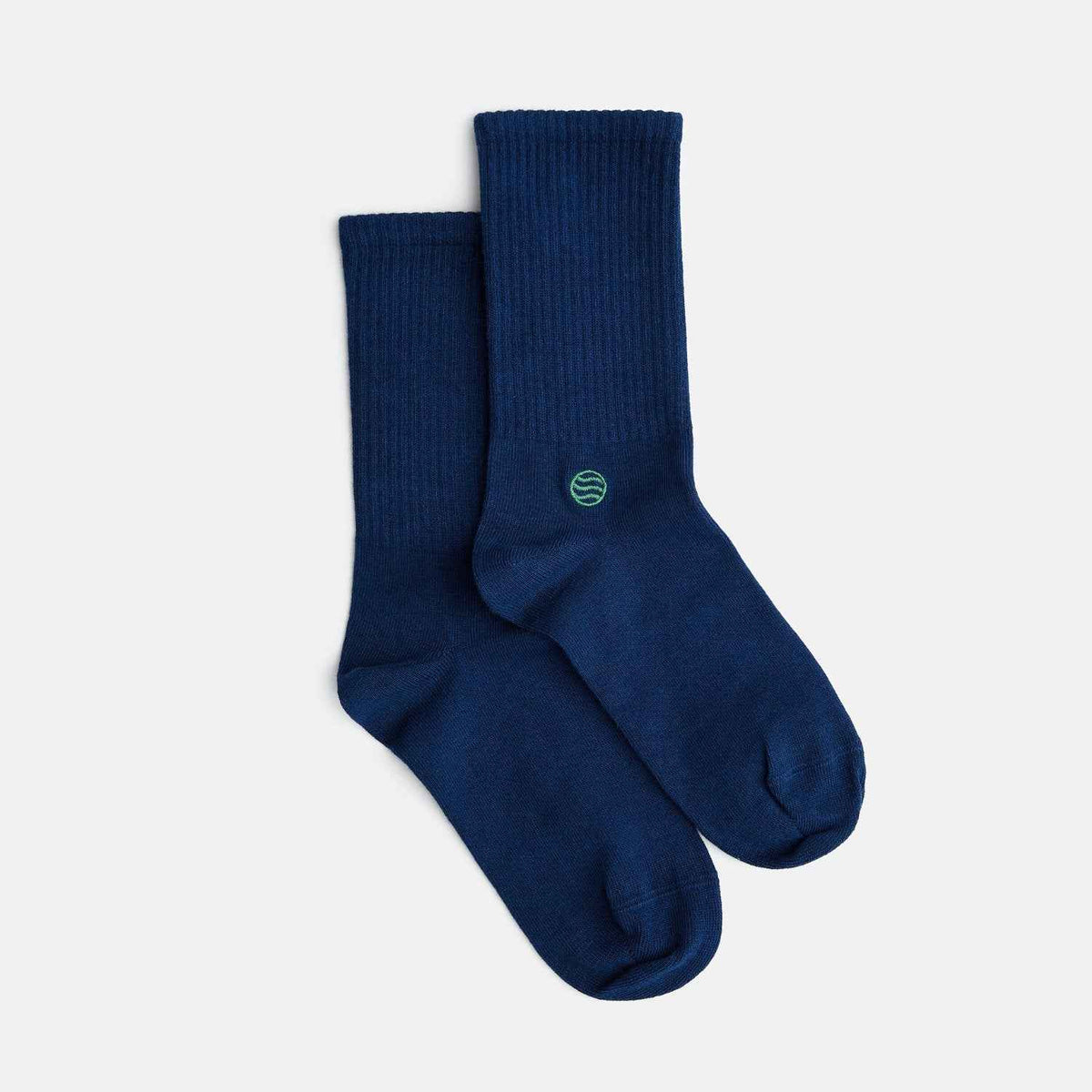
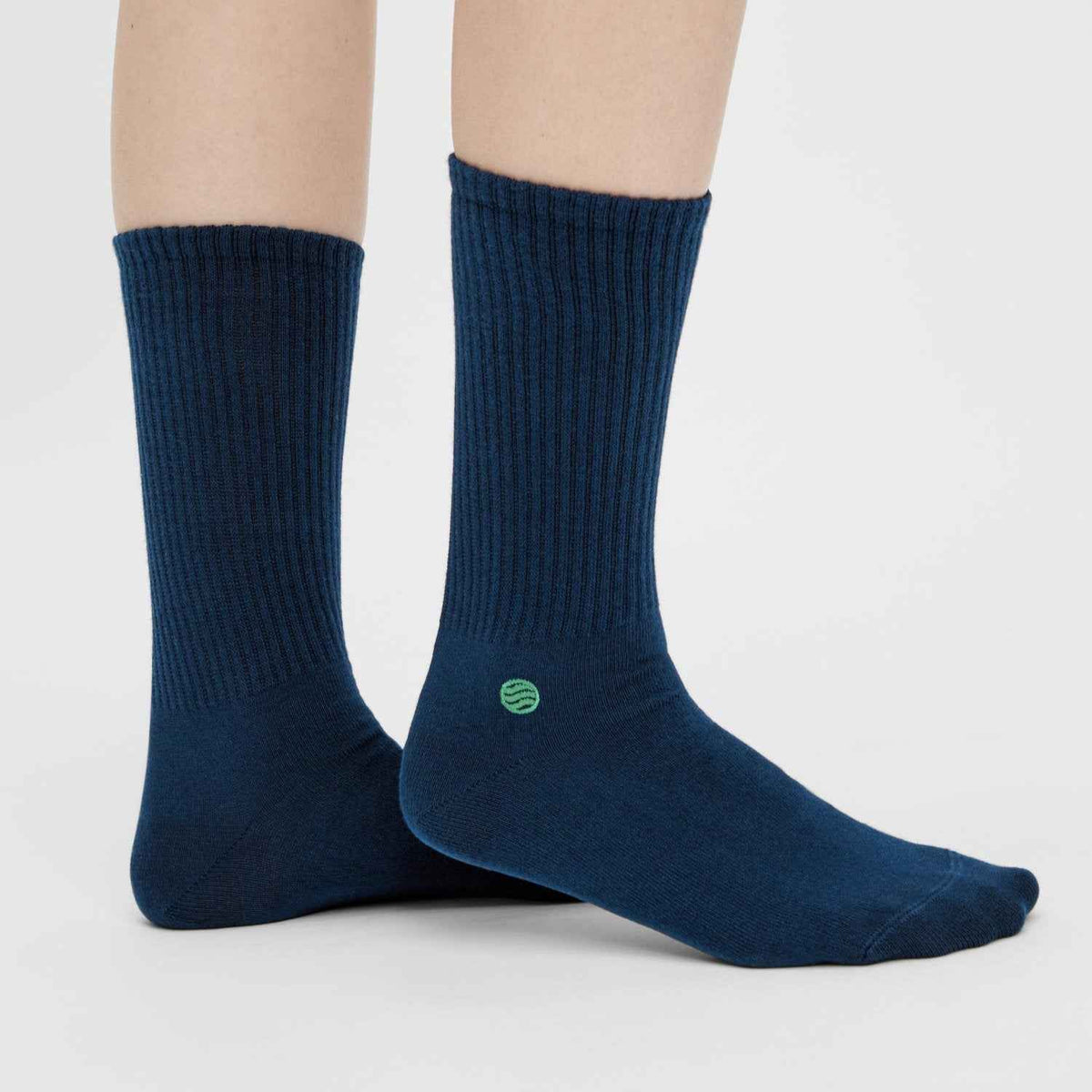
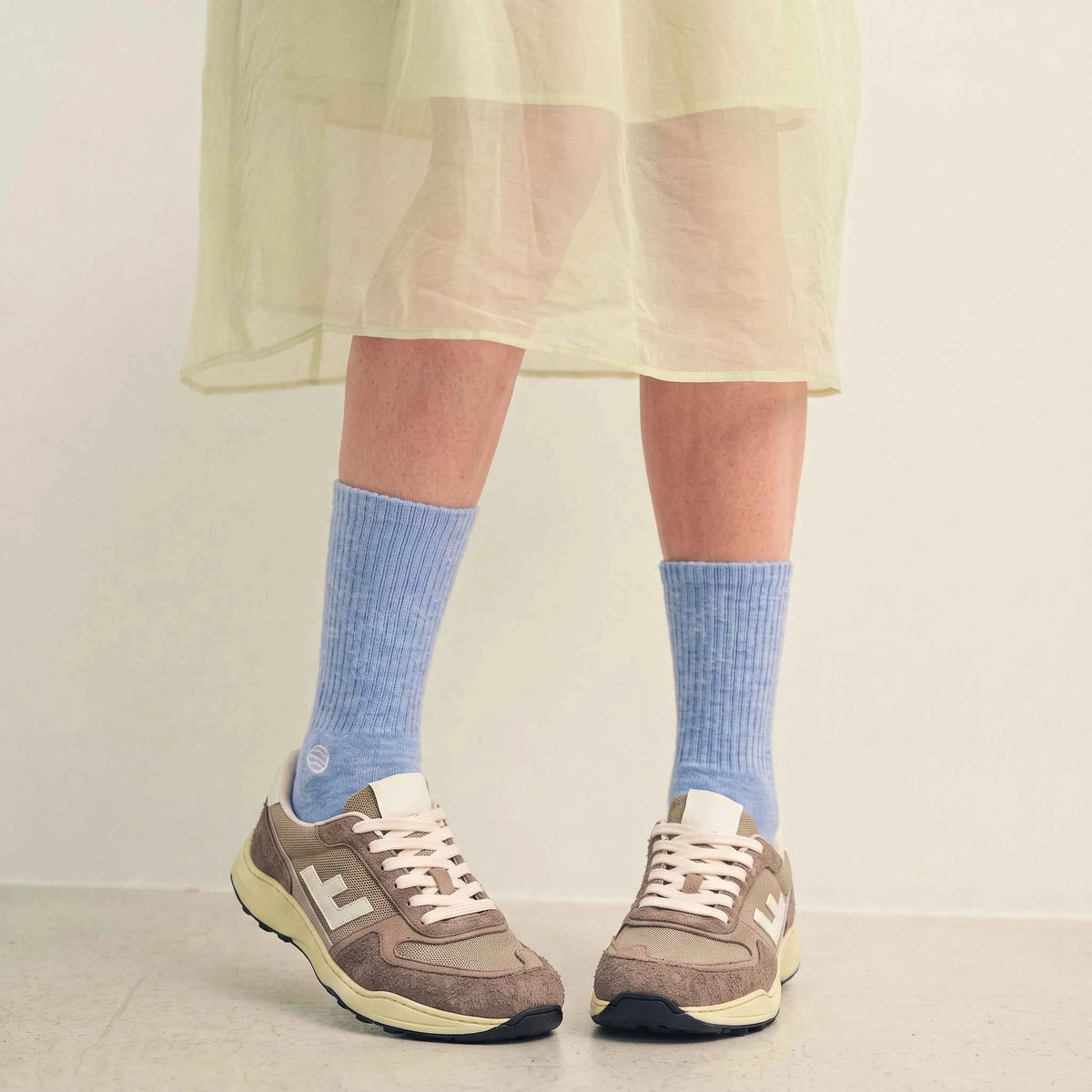
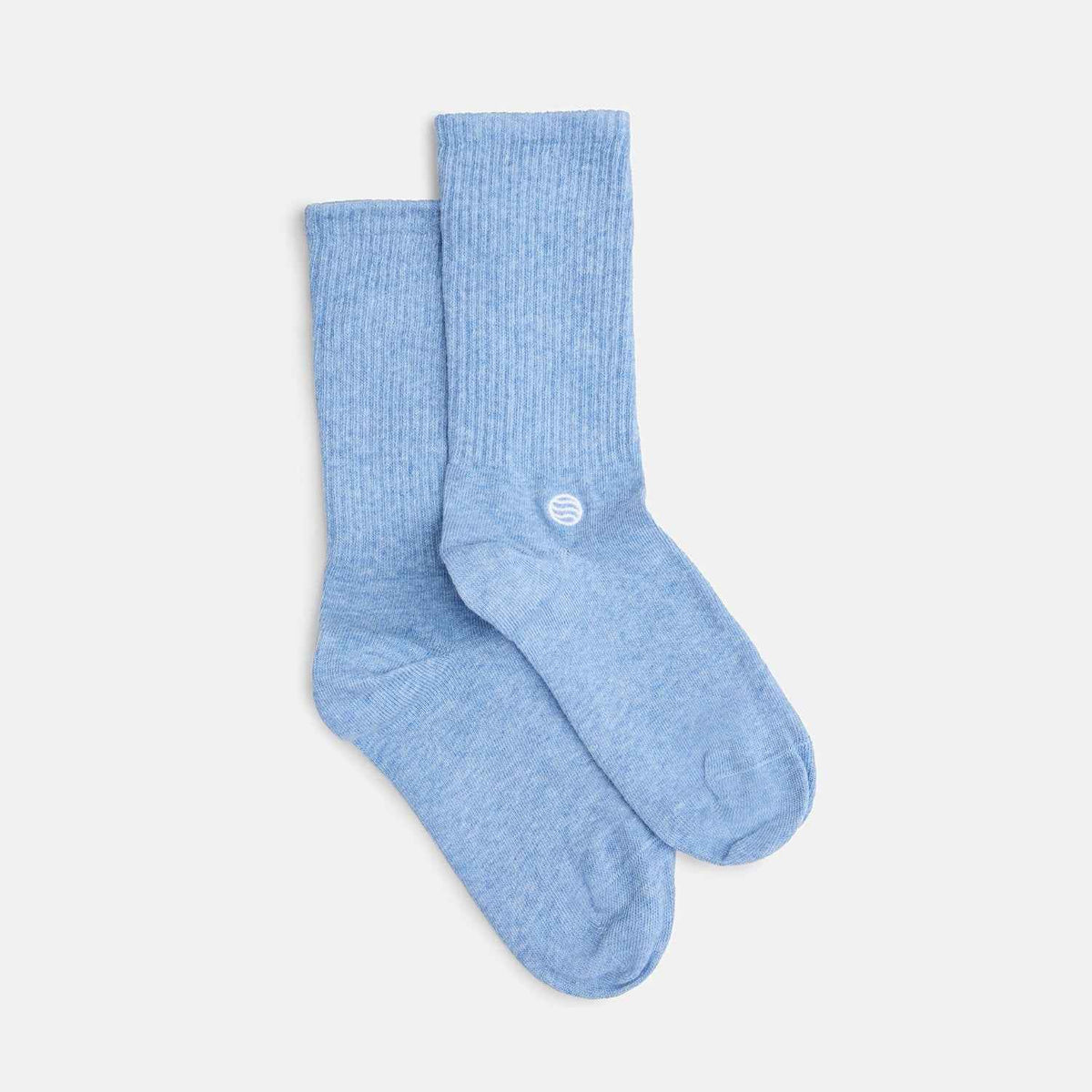
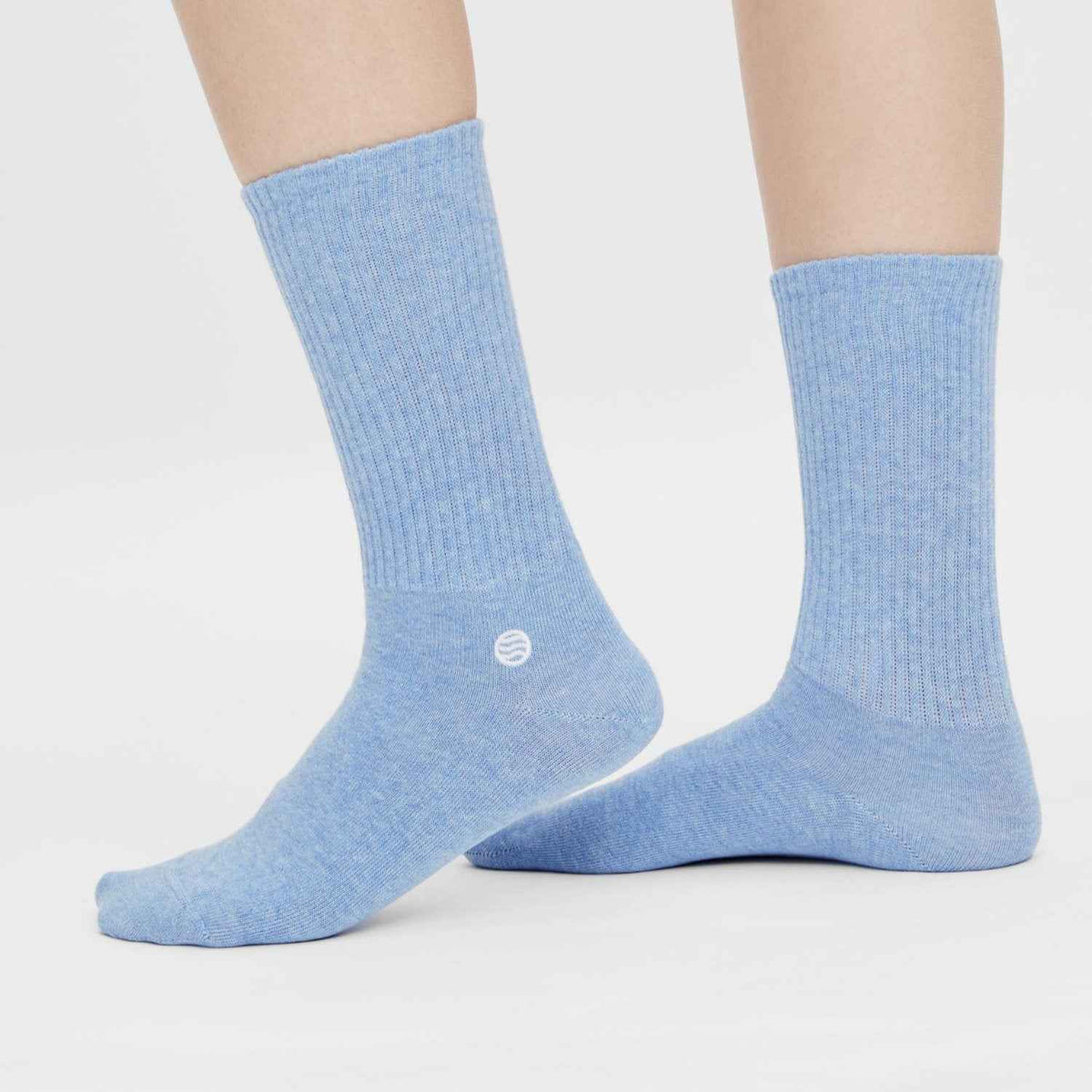
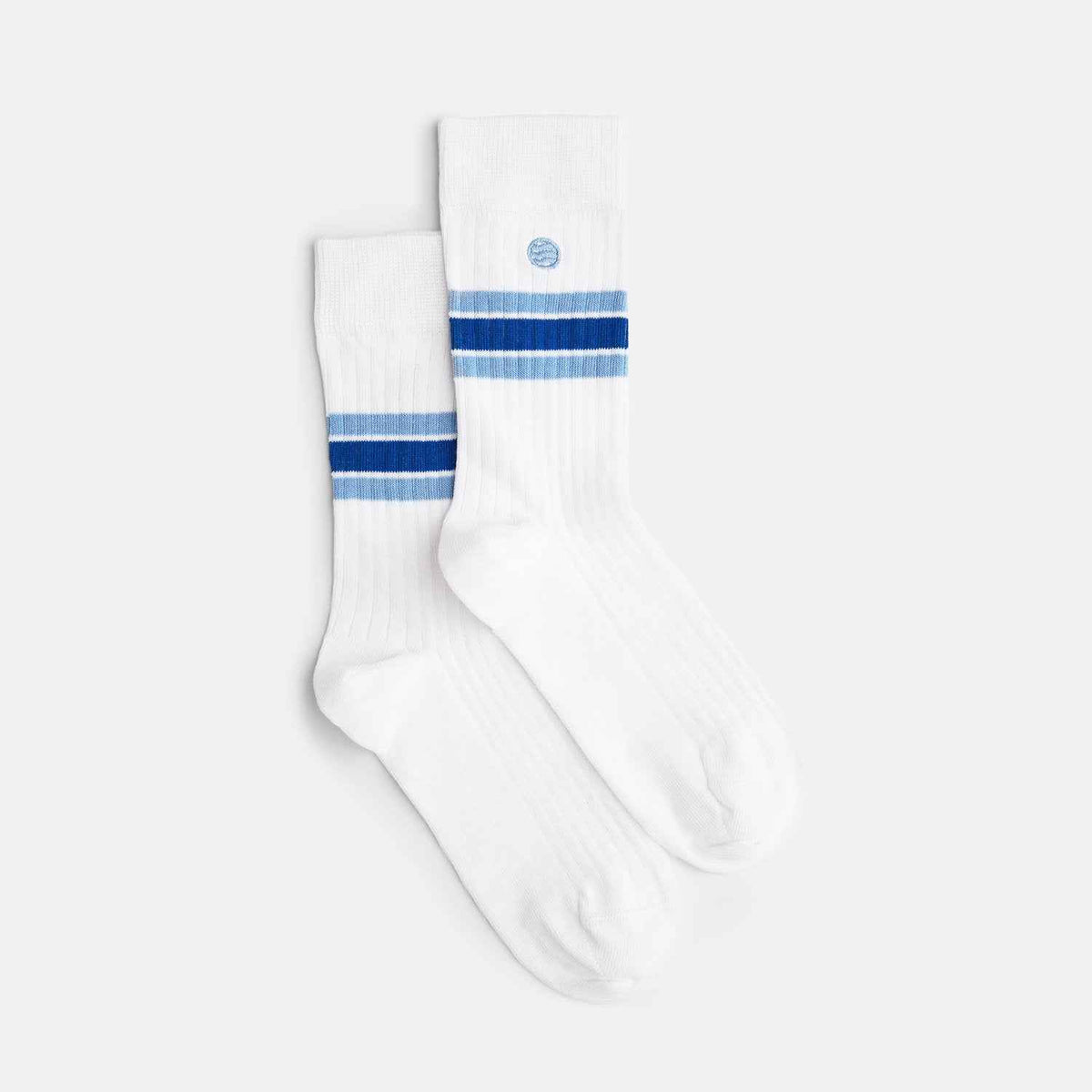
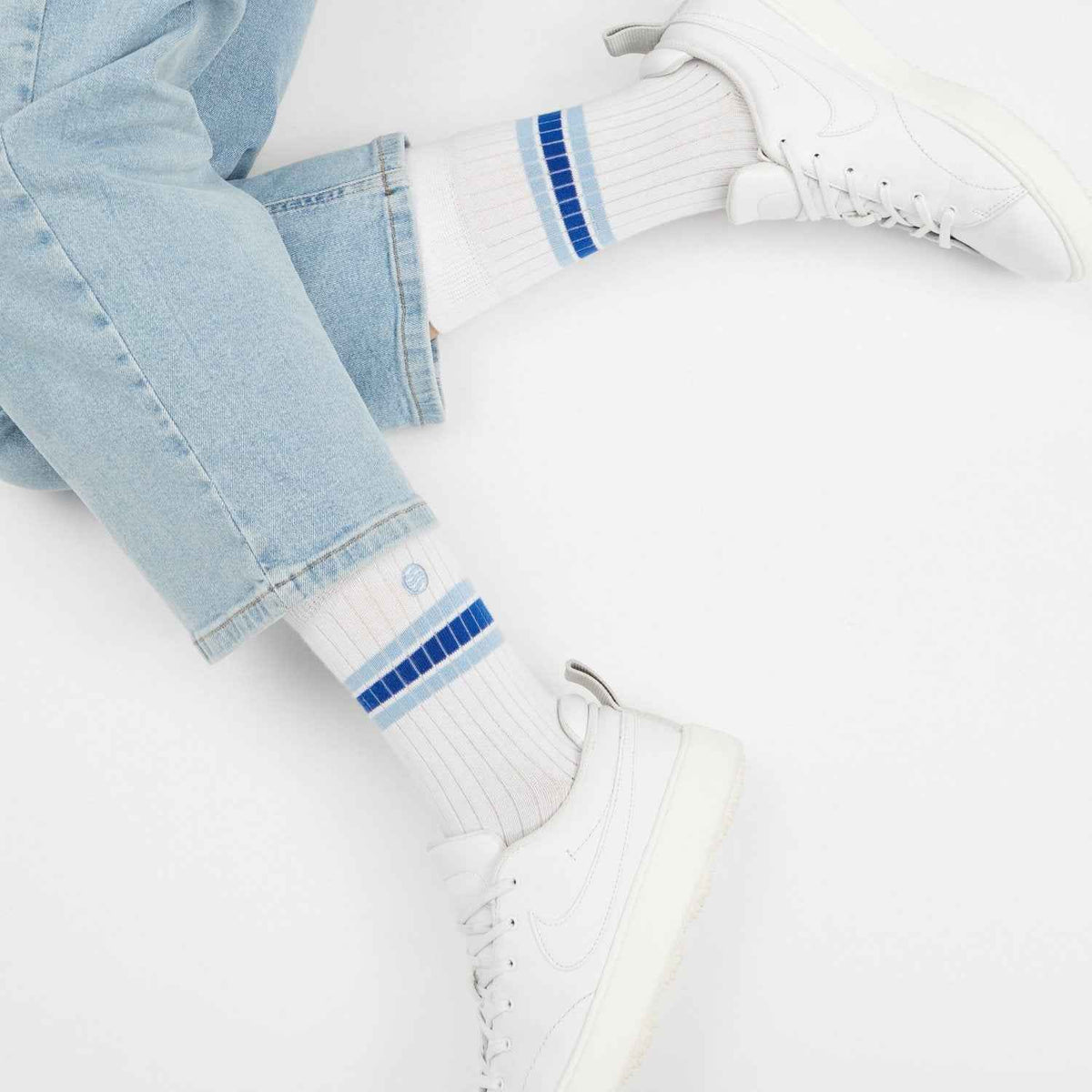
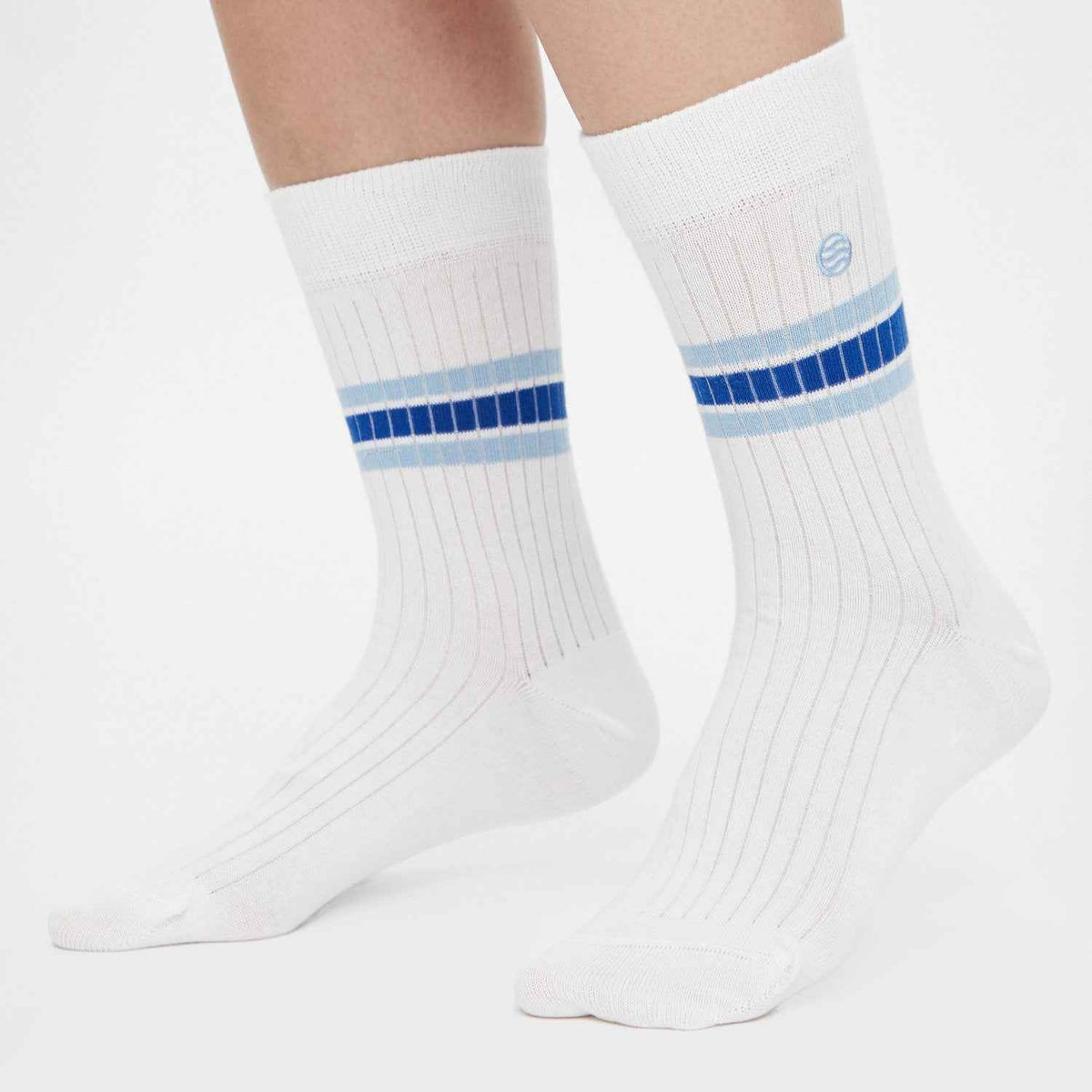
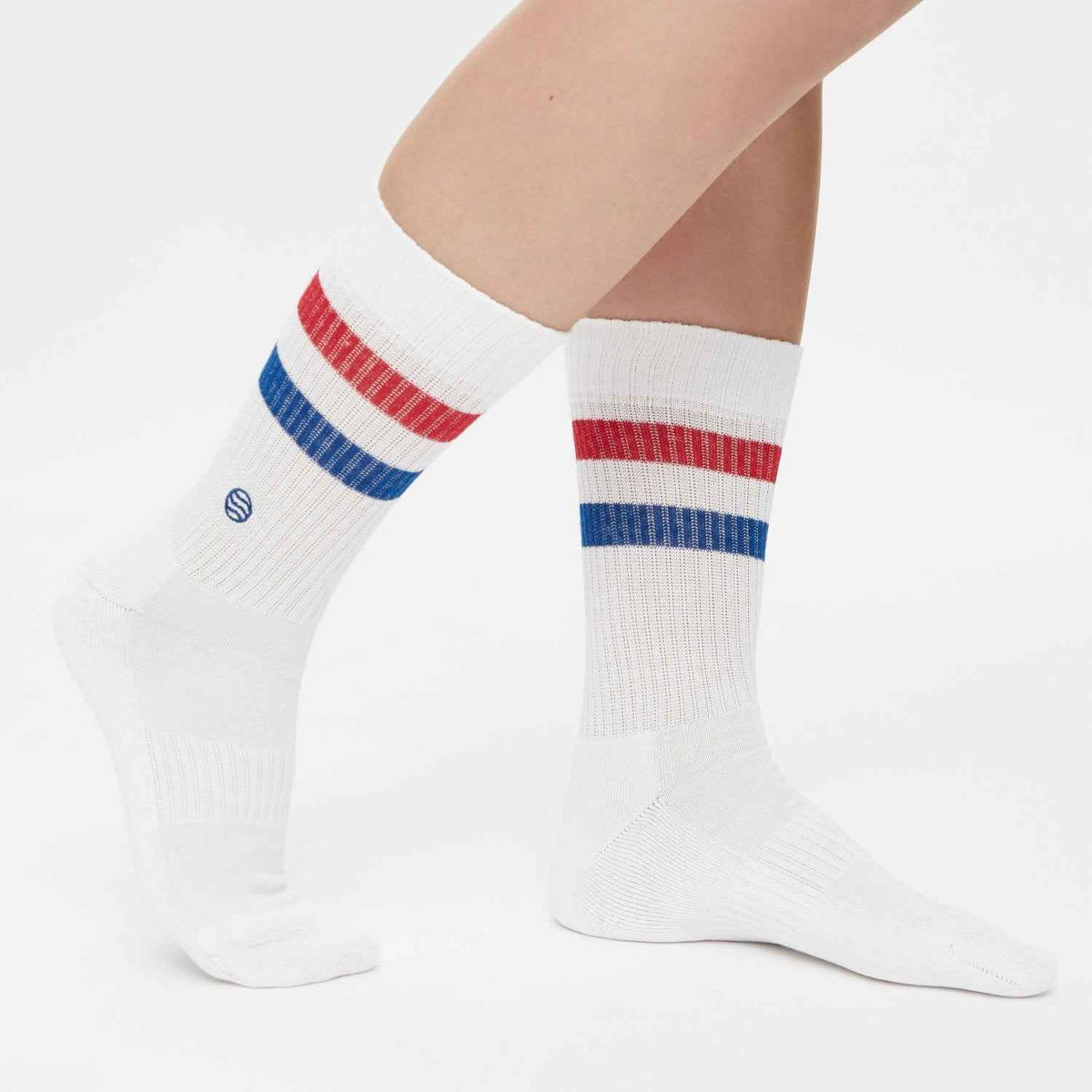
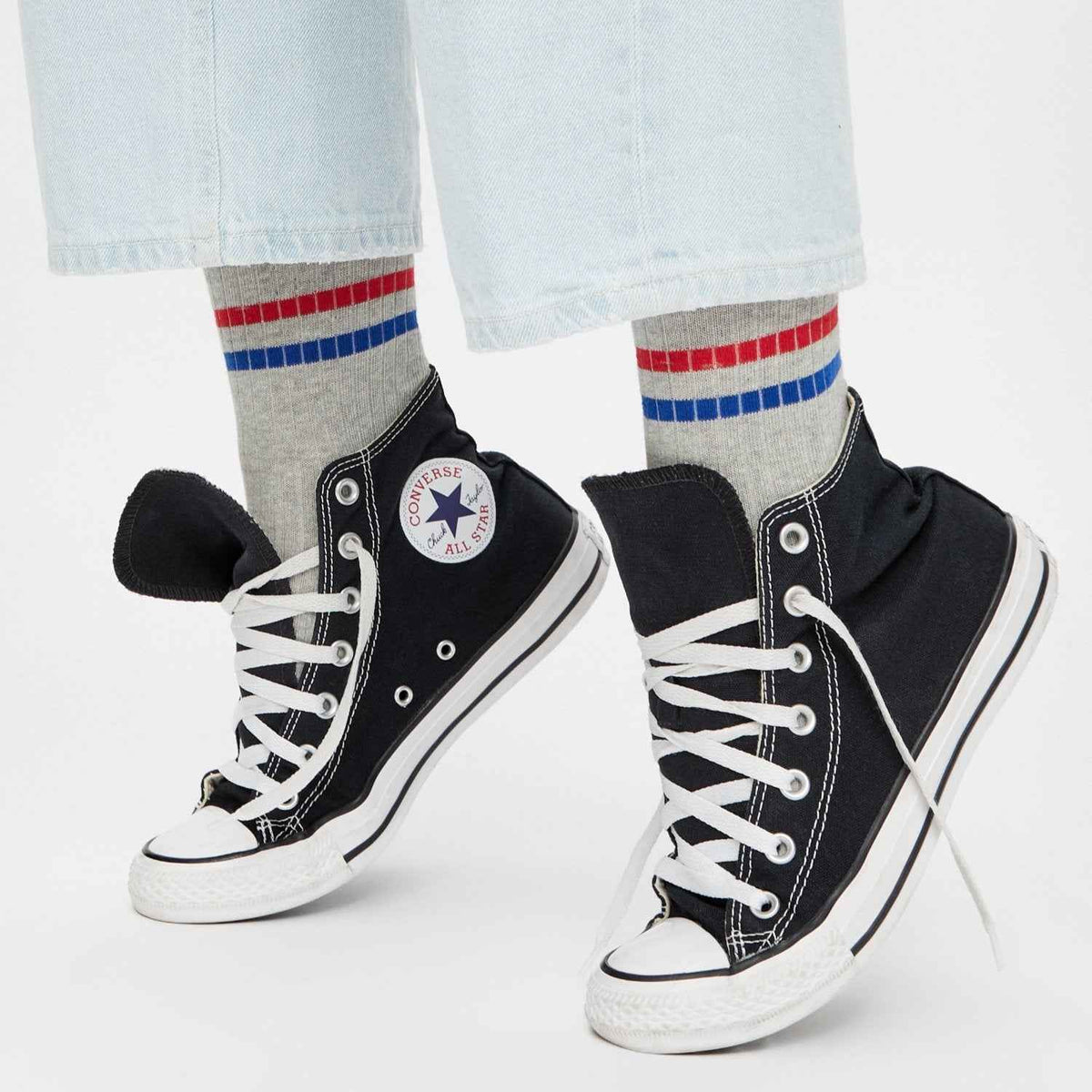
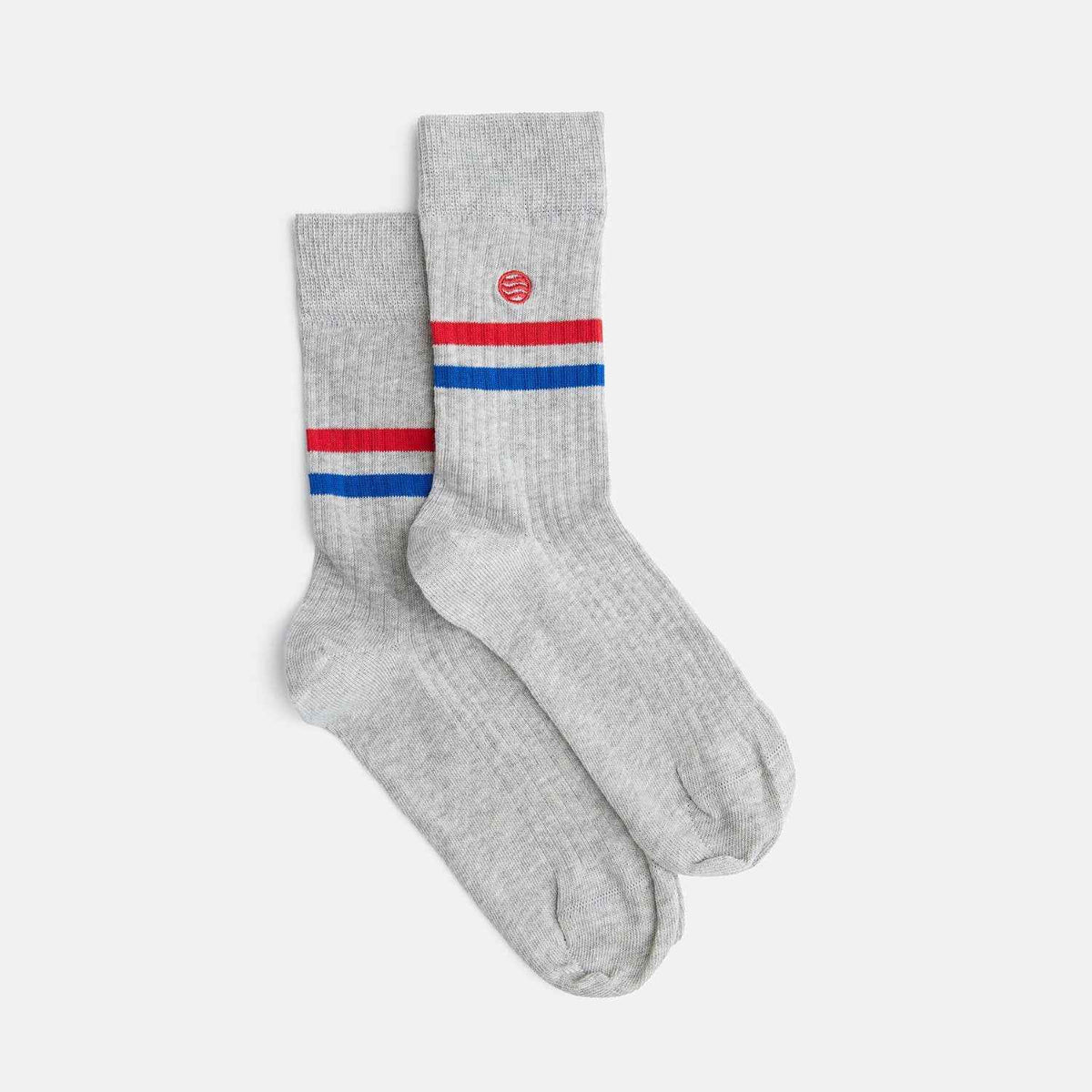
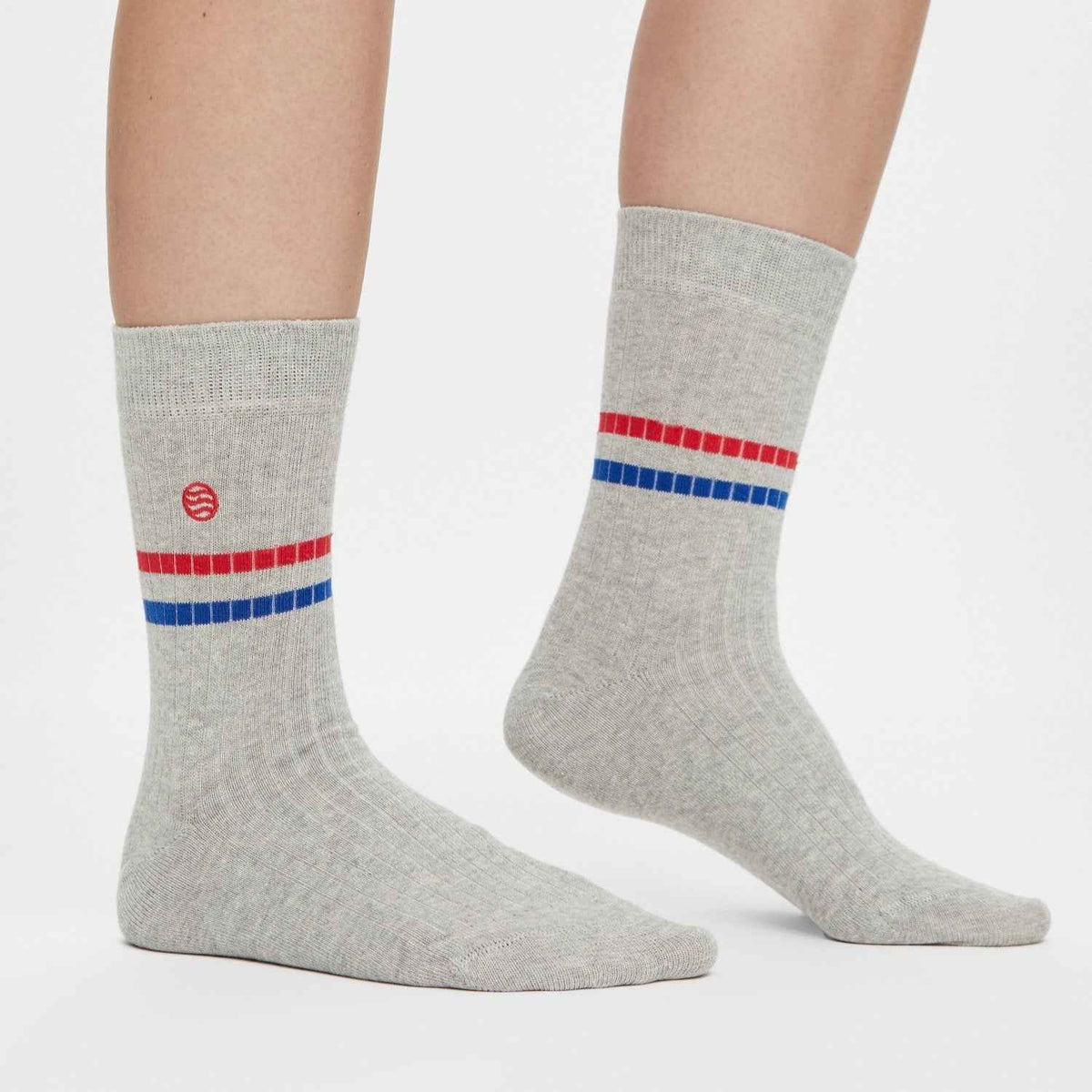
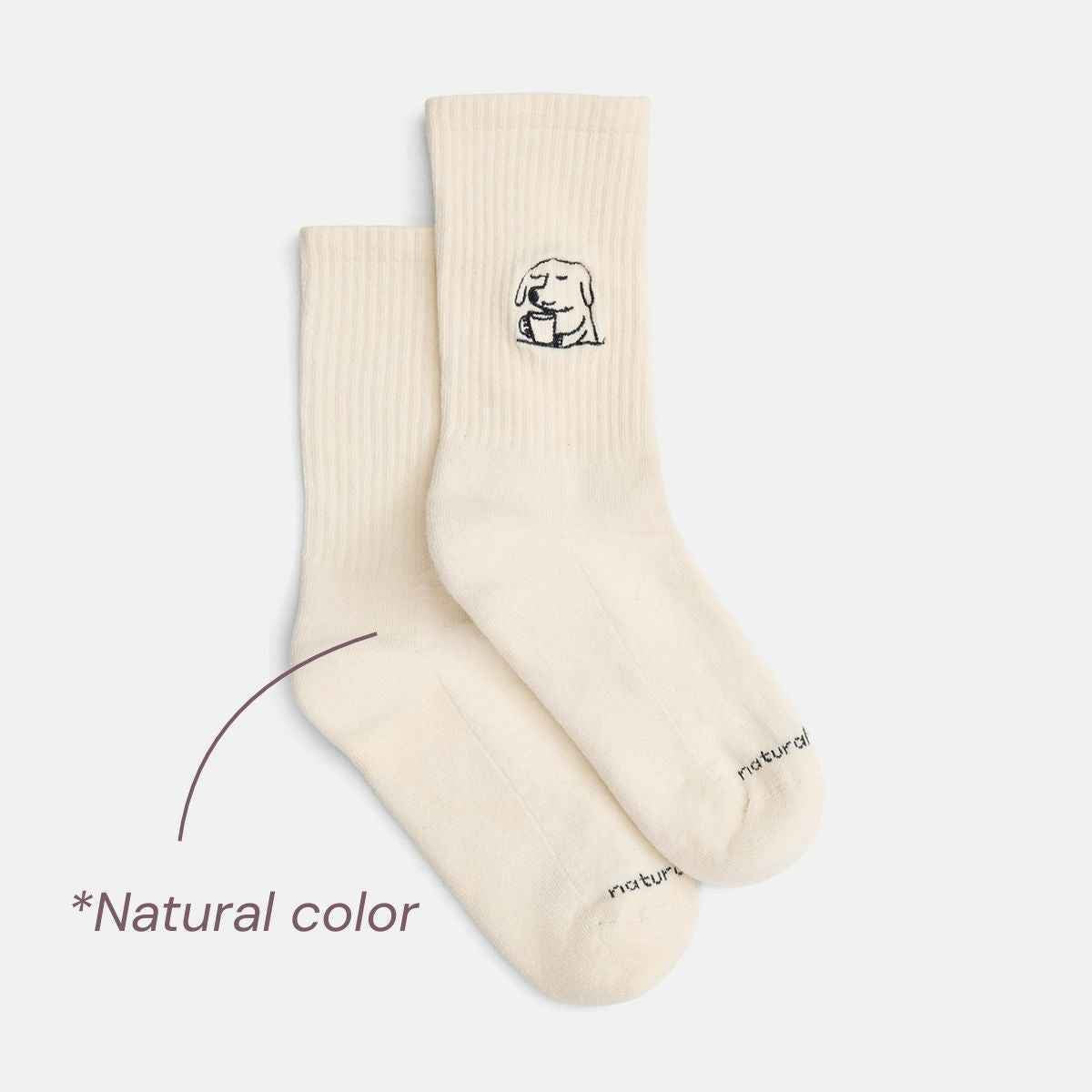
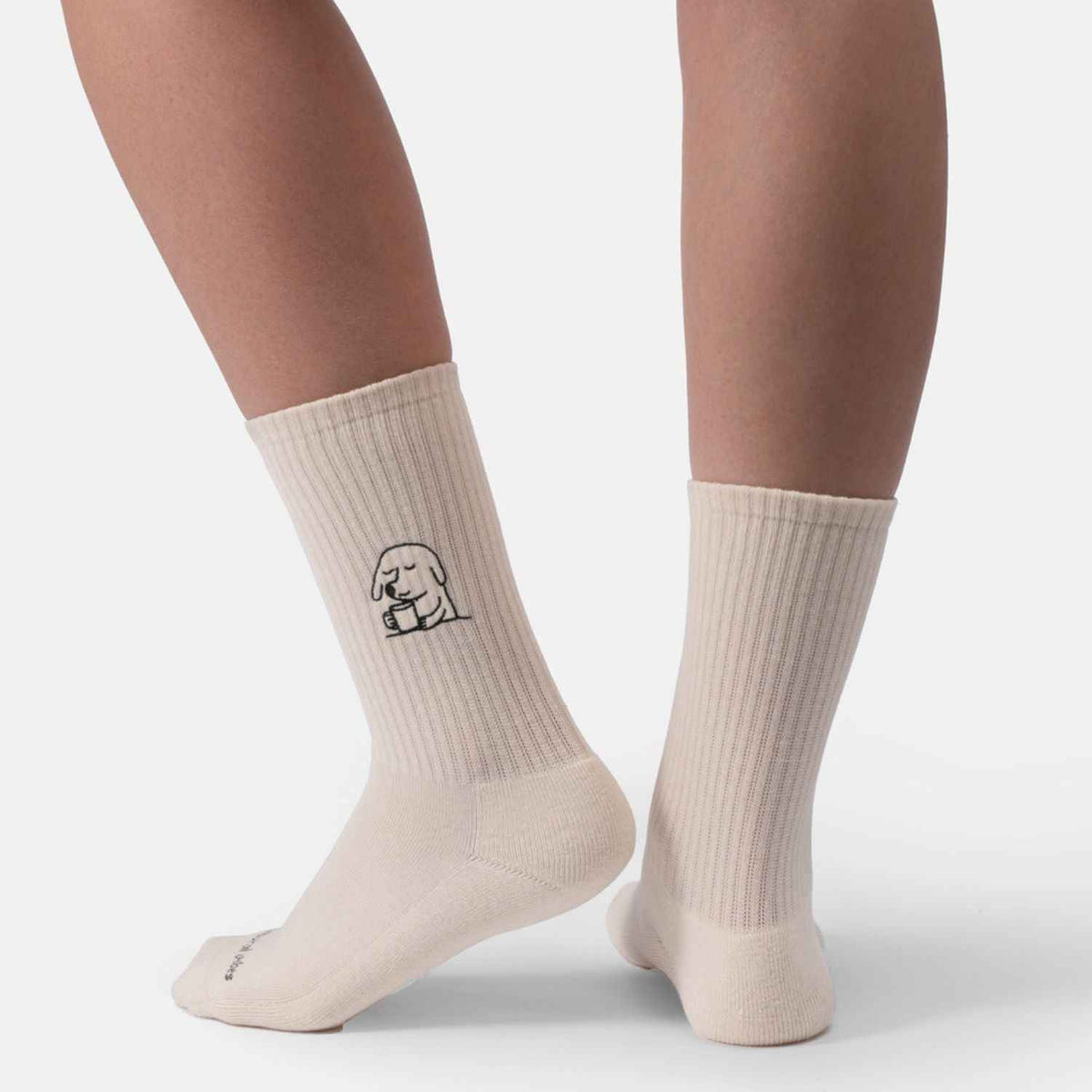
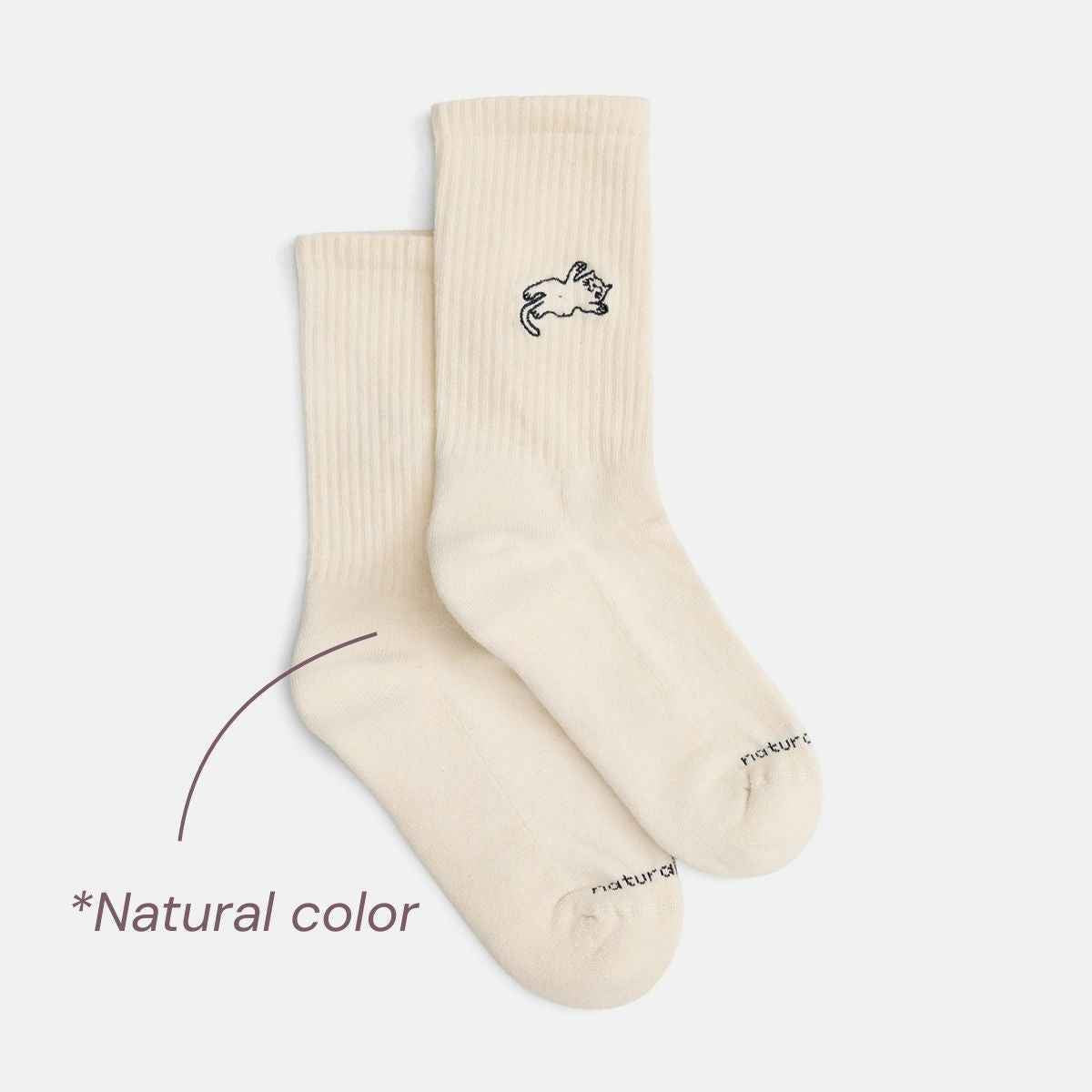
Our organic cotton socks are made predominantly from organic cotton, making them breathable and comfortable to wear. They're an easy everyday choice when temperatures are mild, without having to reach for particularly thick winter socks.
Terry Socks: Extra Warmth from Tiny Loops
When the weather gets a little cooler, the structure of your socks can make just as much difference as the material.
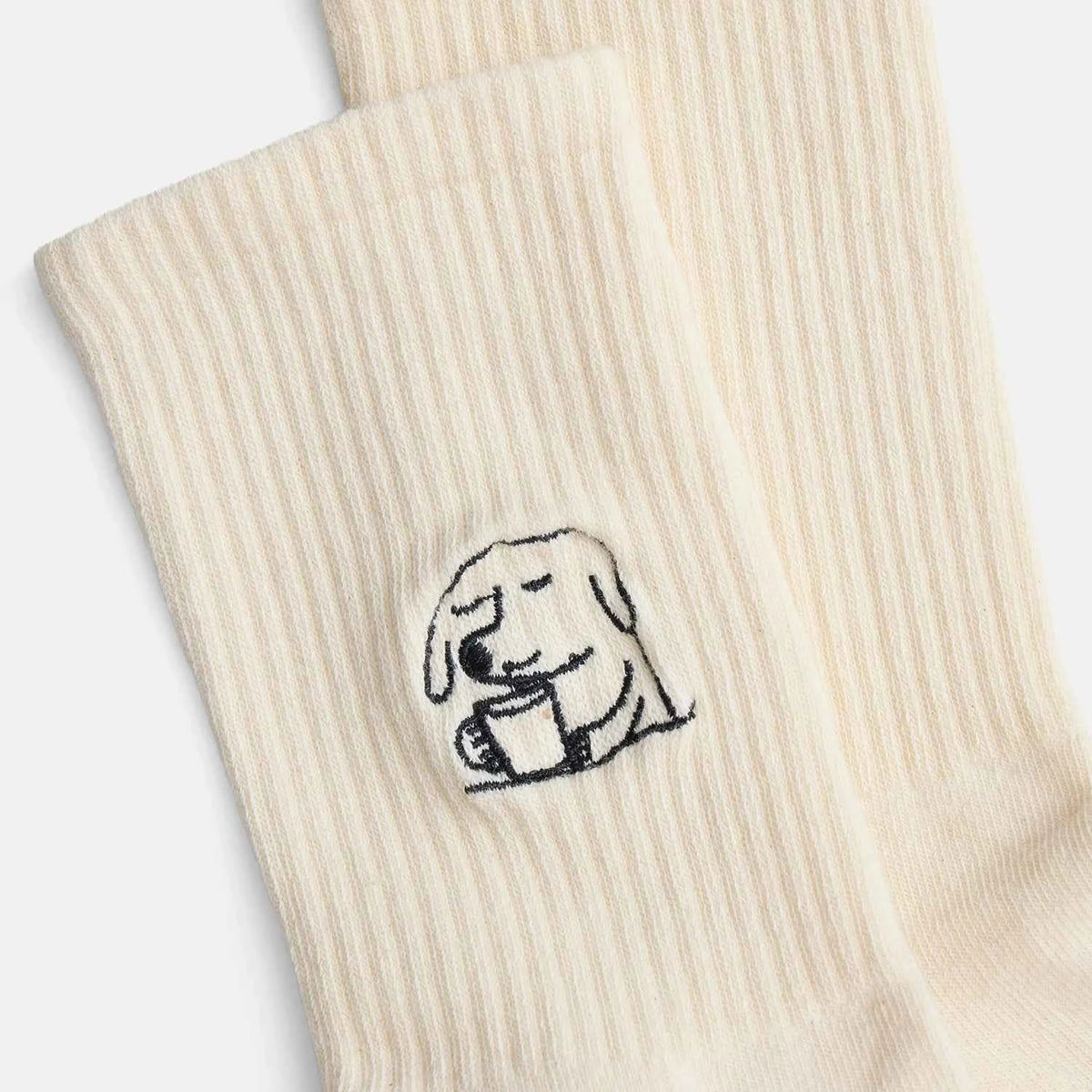
Terry fabric features lots of tiny loops that give it extra volume and allow it to trap air. This additional layer of air helps retain body heat. At the same time, the structure can absorb moisture – properties that make terry fabric a popular choice for comfortable socks.
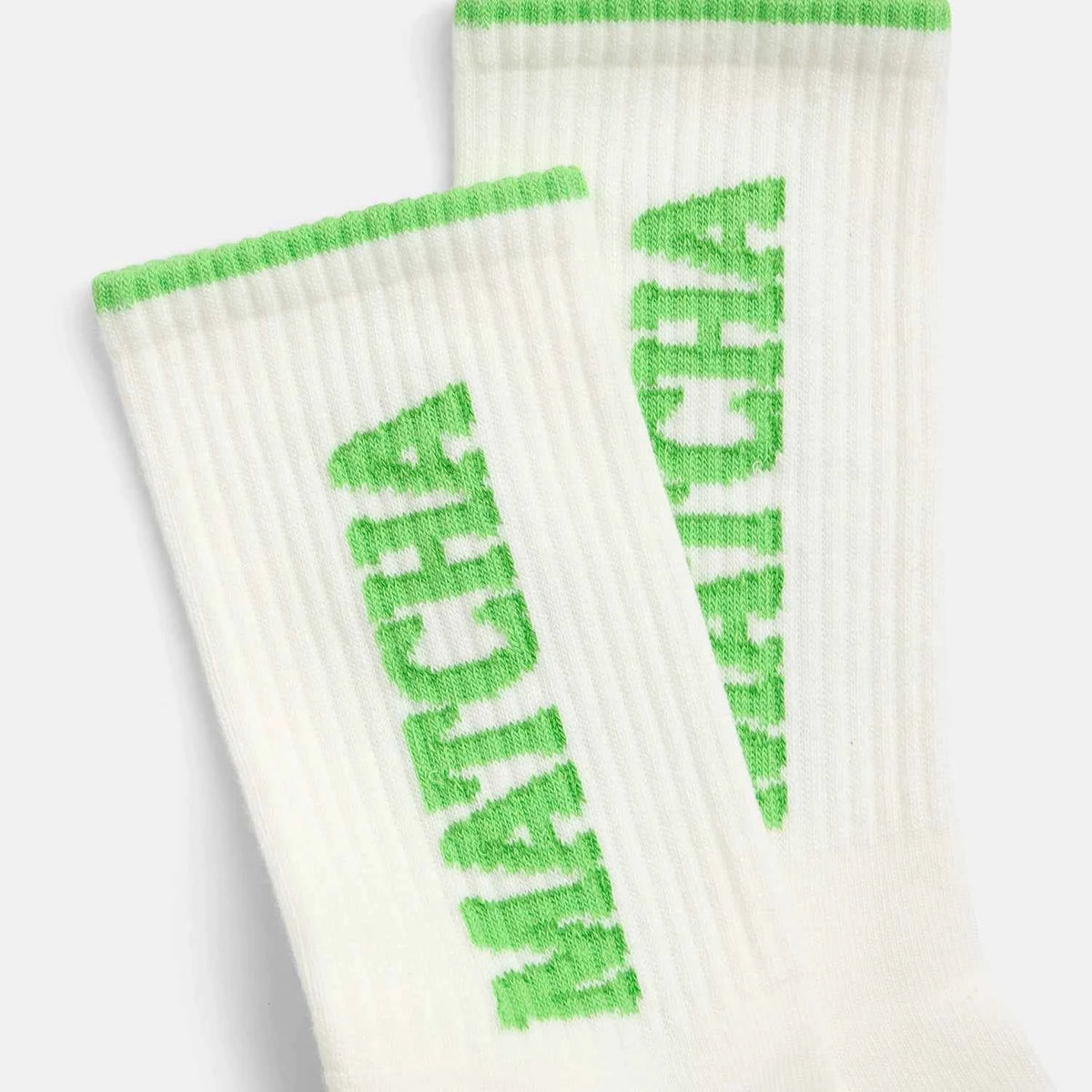
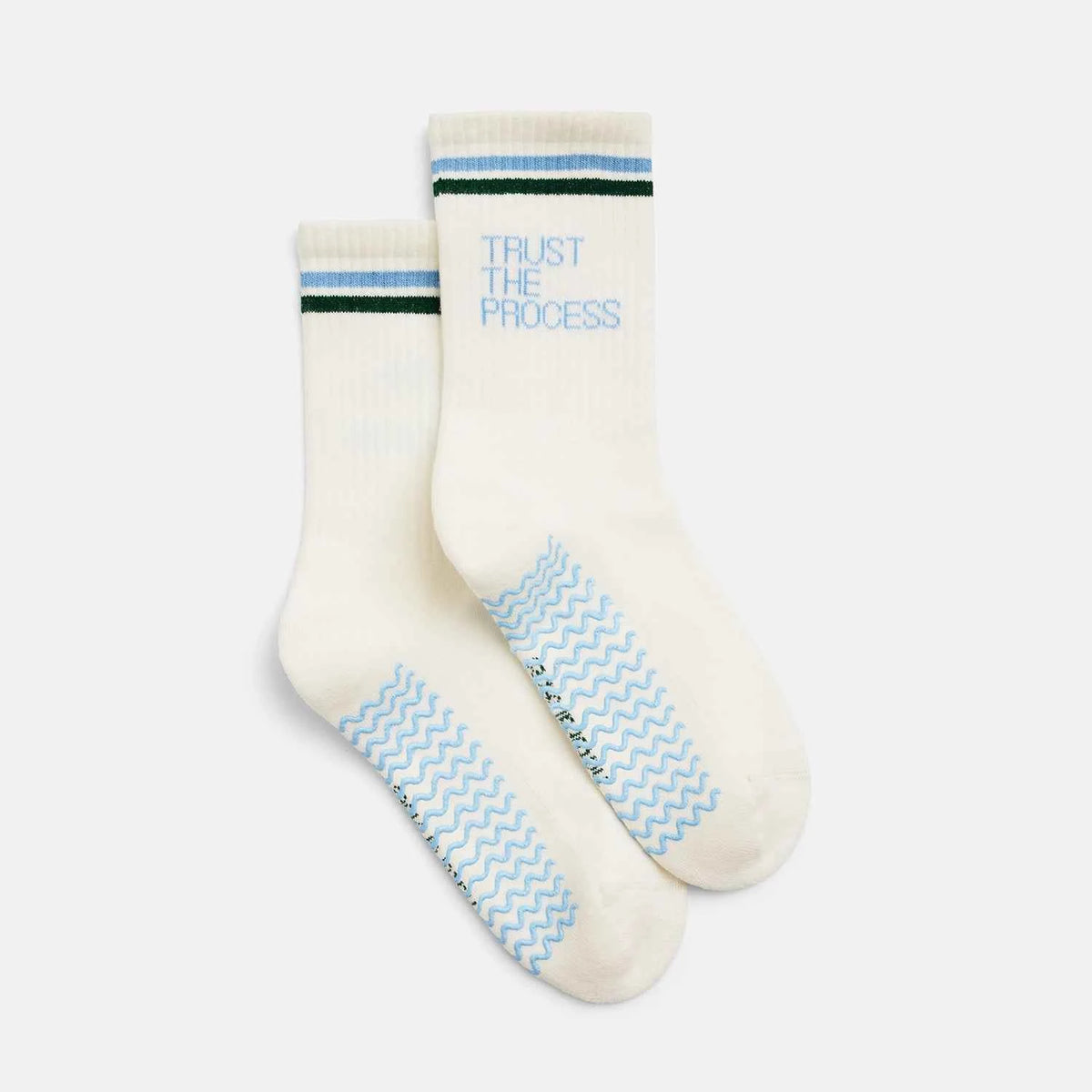
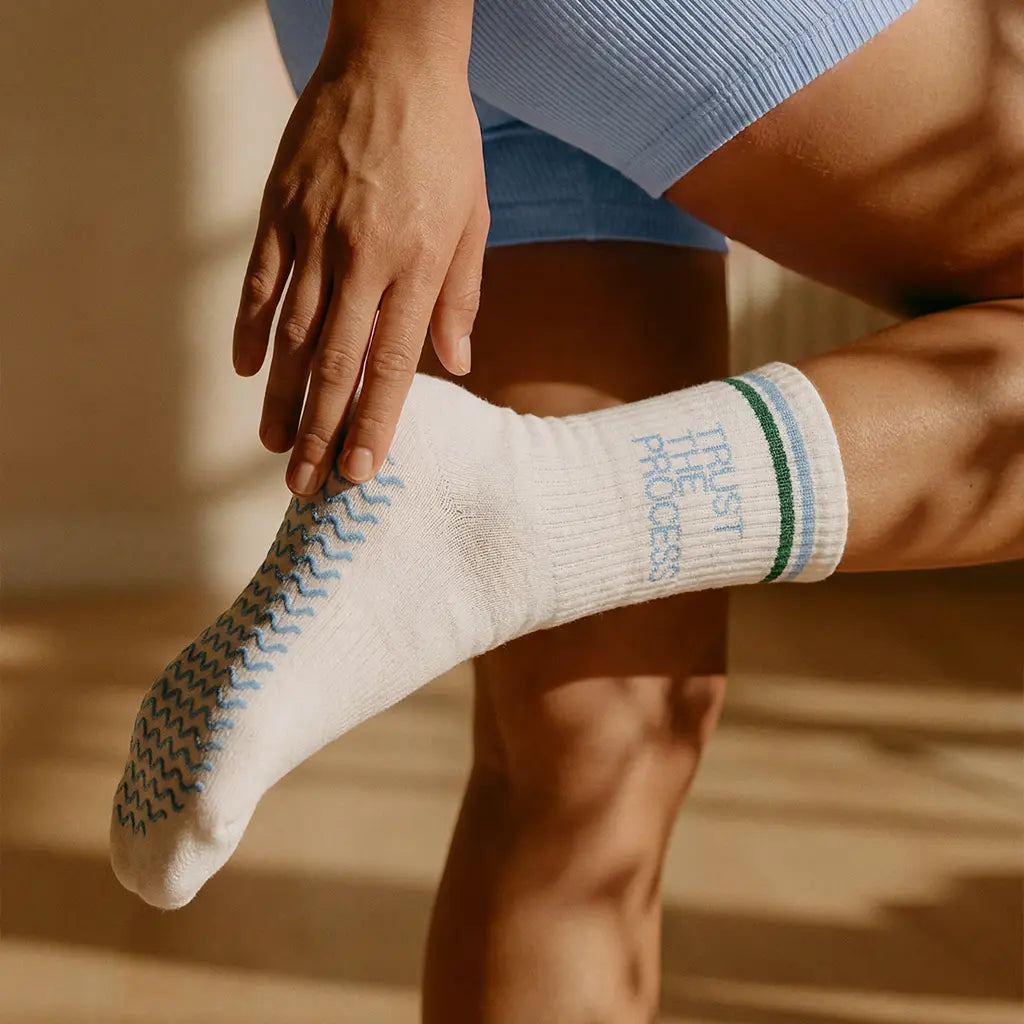
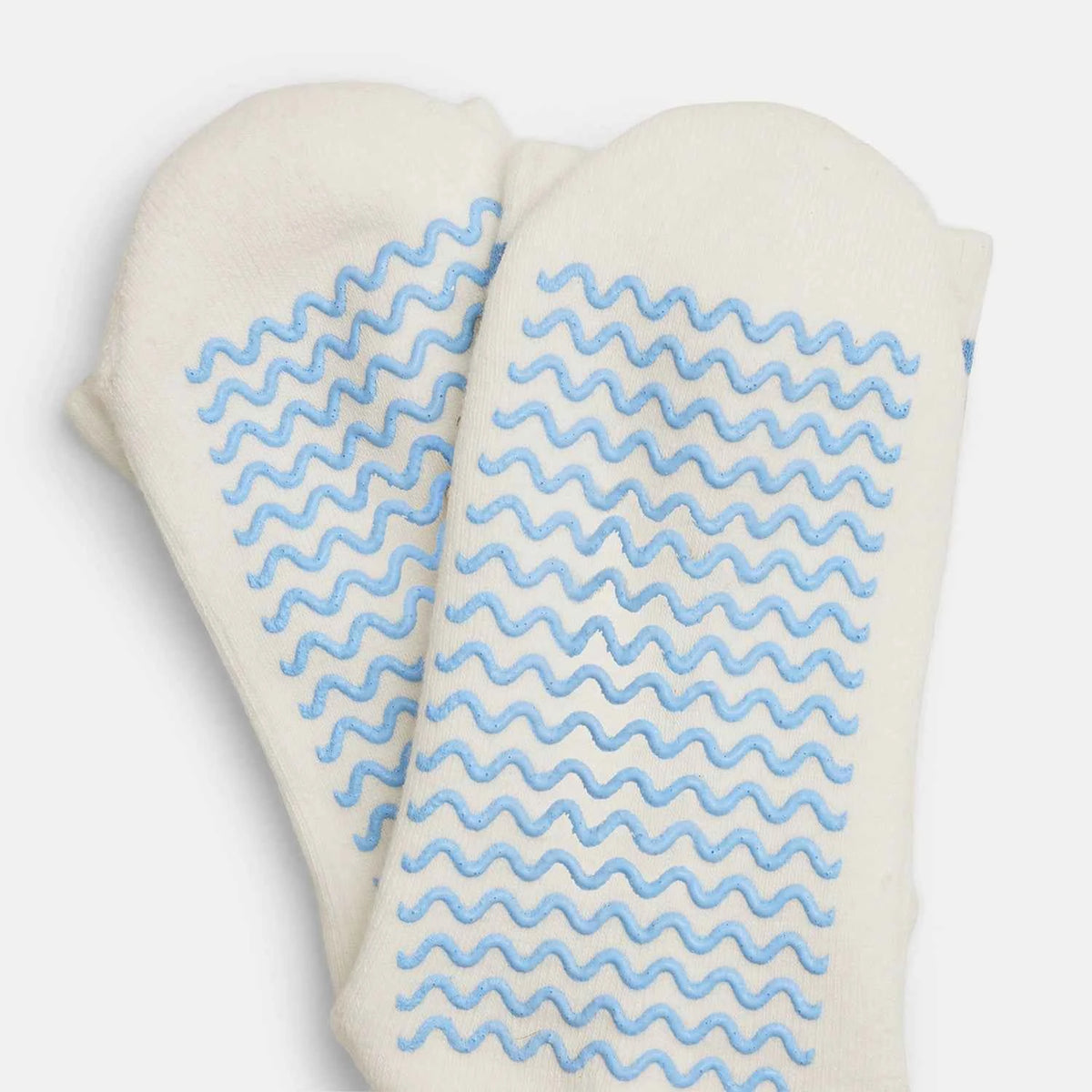
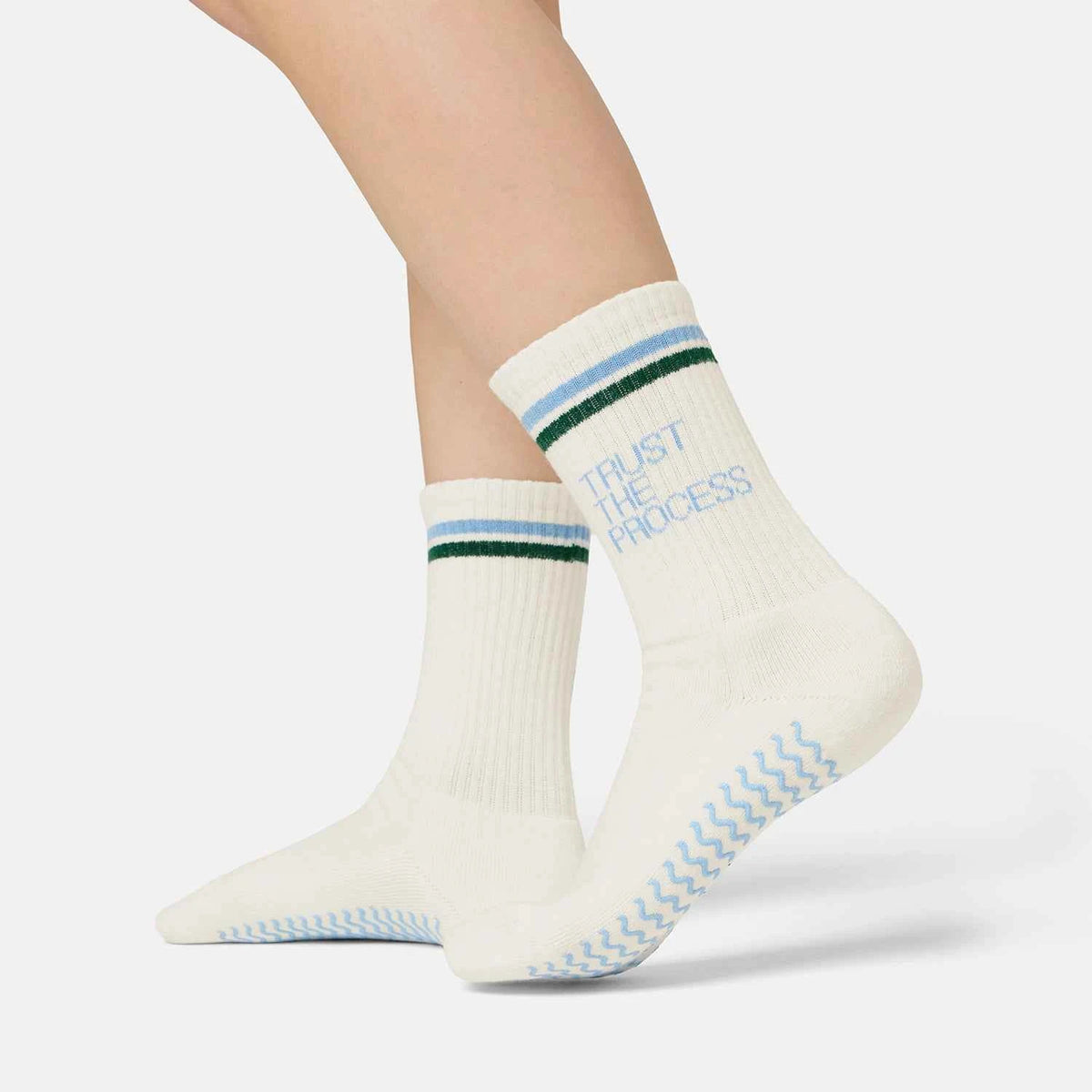
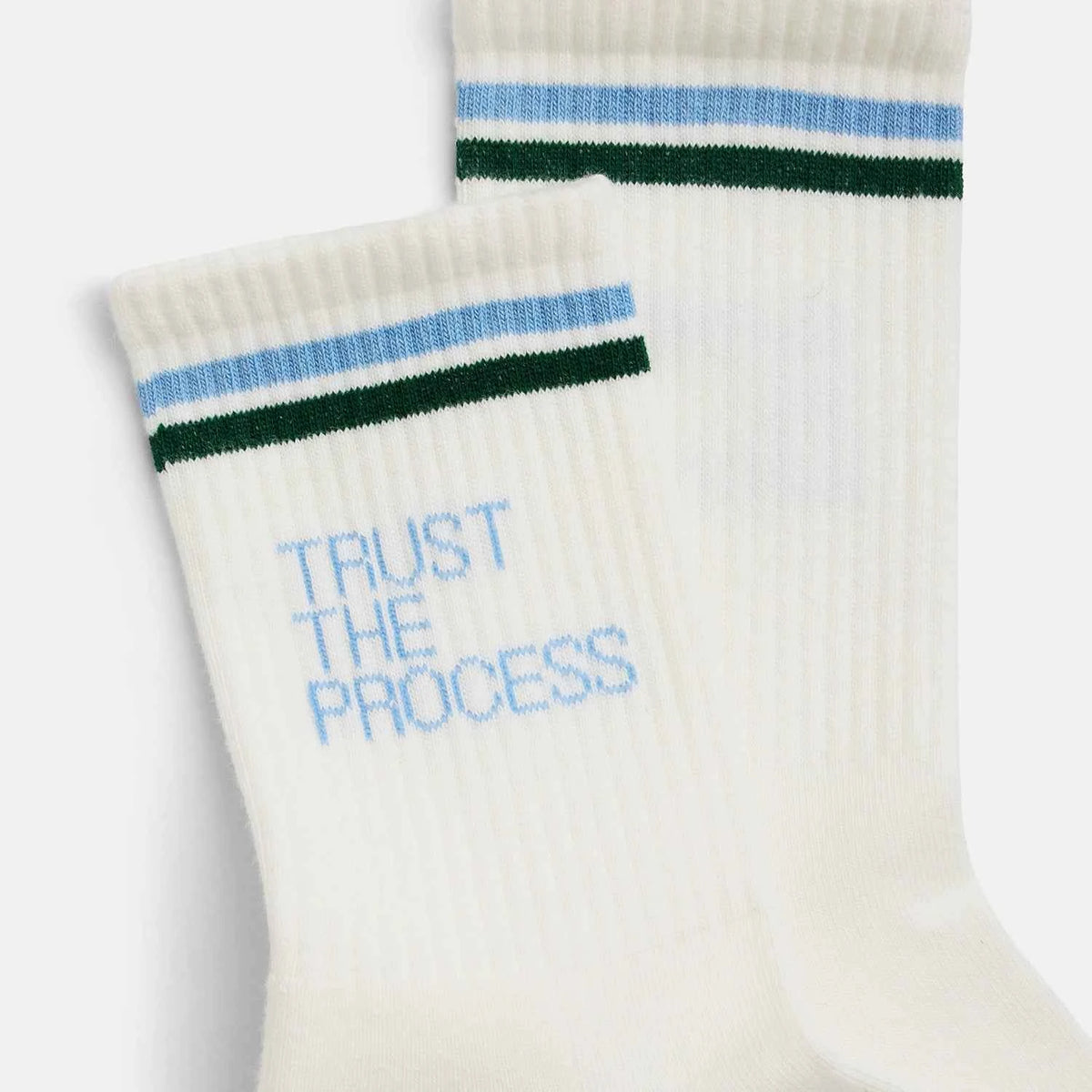
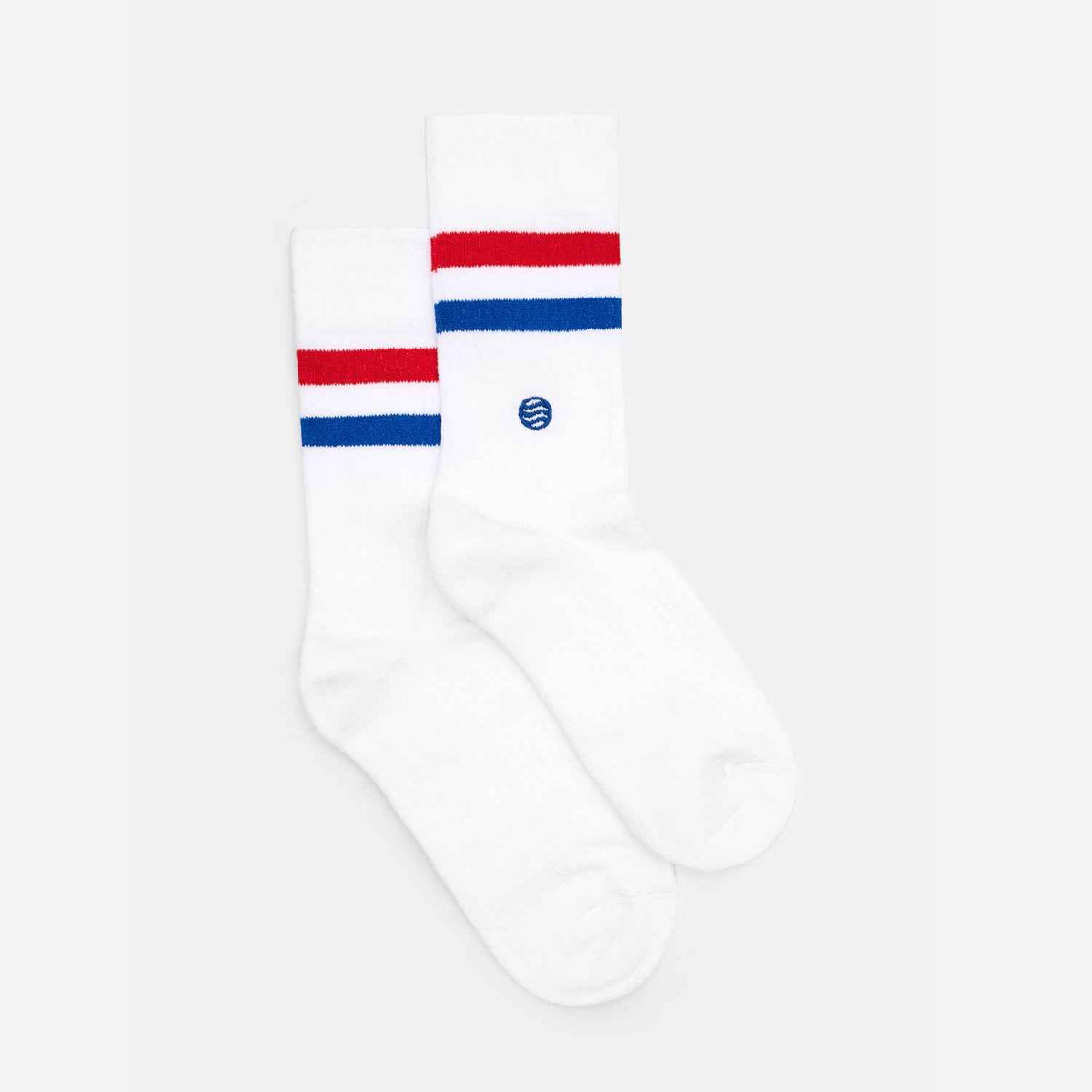
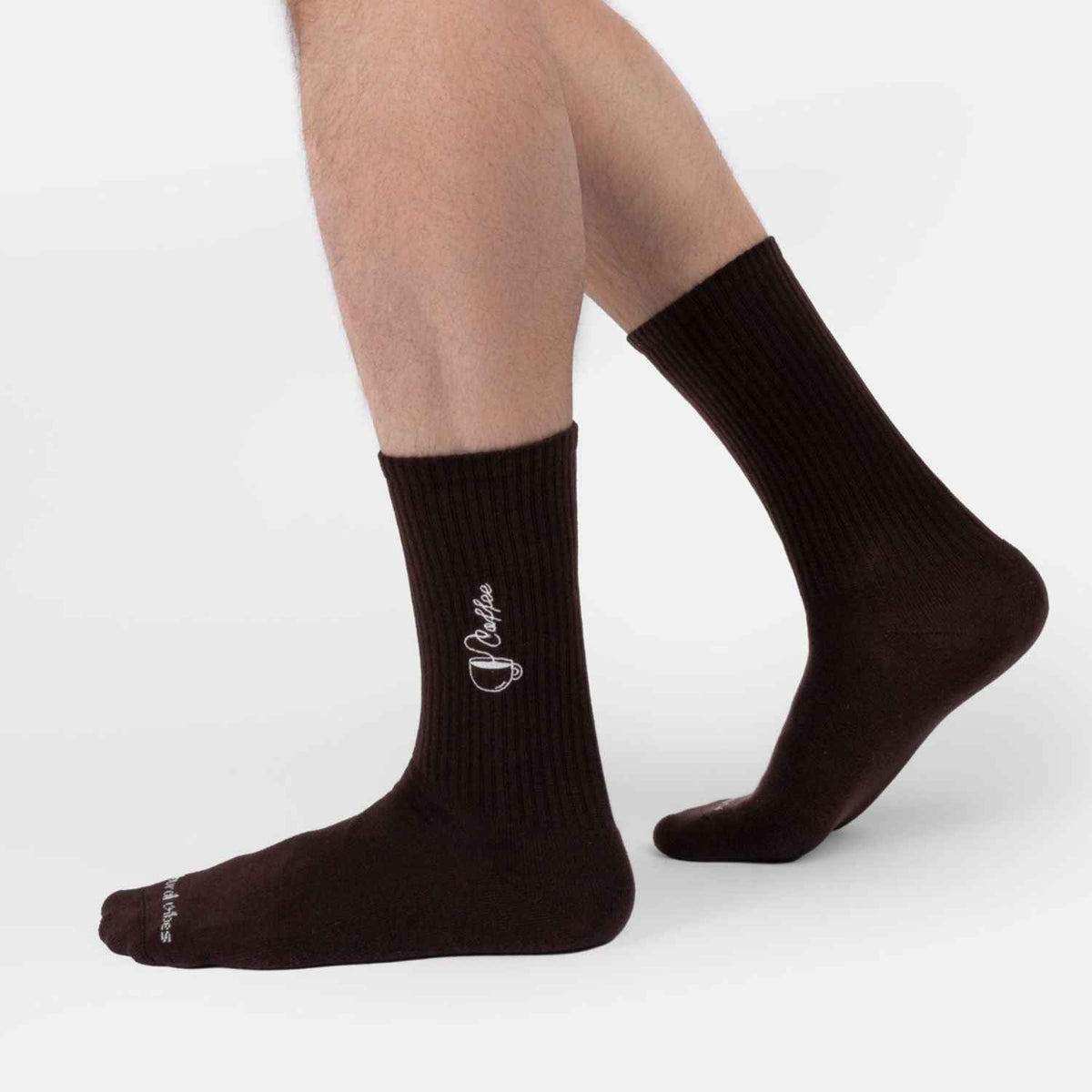
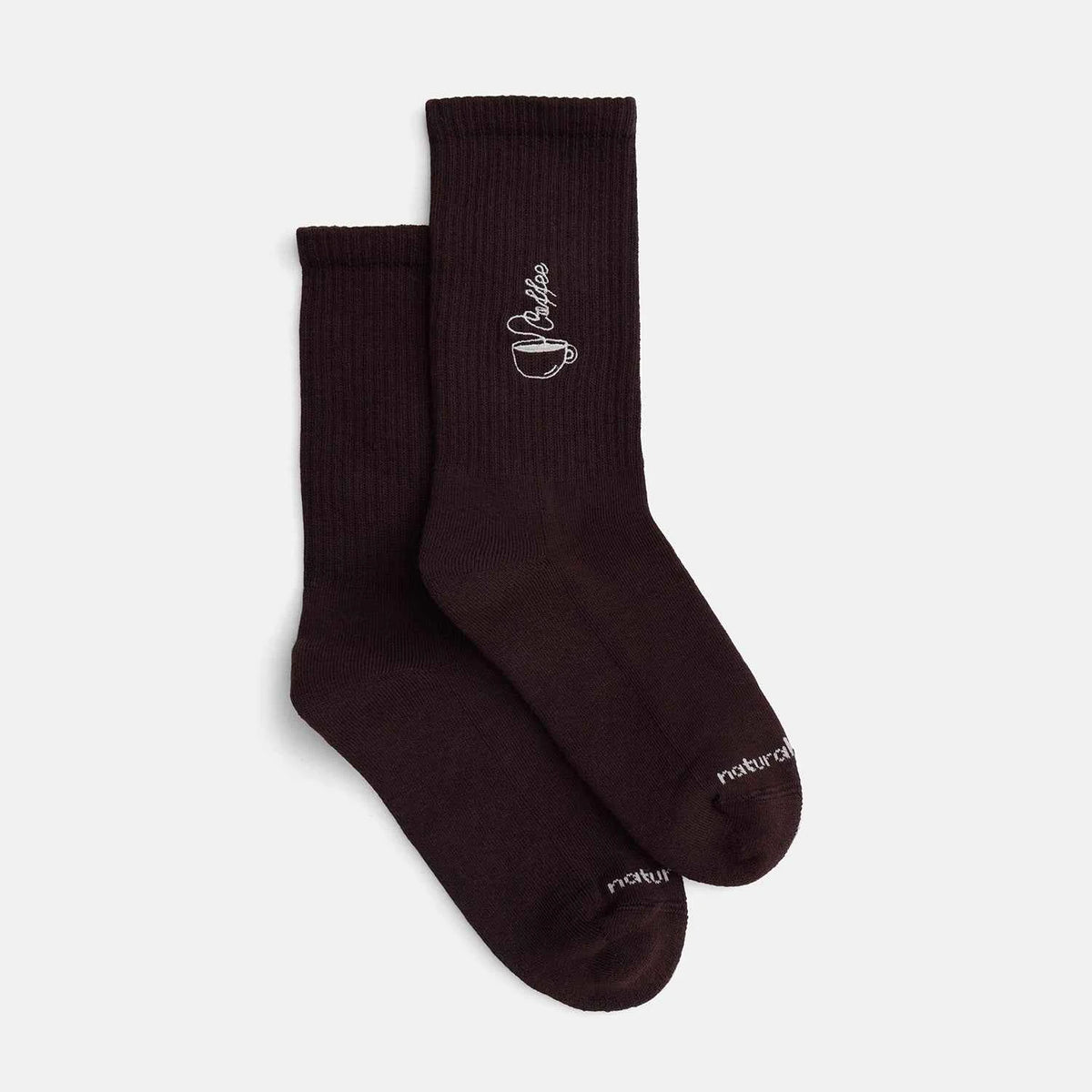
The principle is similar to other insulating structures: the more small air pockets a material can create, the better it can retain the warmth produced by your body. That's why cotton socks with a terry sole – such as our Moka Express Crew Socks or Trust the Process Grip Socks – feel warmer than thin, smooth-knit cotton socks.
Knitting Techniques Also Affect How Warm Socks Feel
It's not just the fibre itself, but also how a sock is knitted that influences its insulating properties.
A smooth, tightly knitted fabric has fewer air pockets and therefore traps less insulating air. Thicker or more textured knits, on the other hand, can hold more air and provide better insulation.
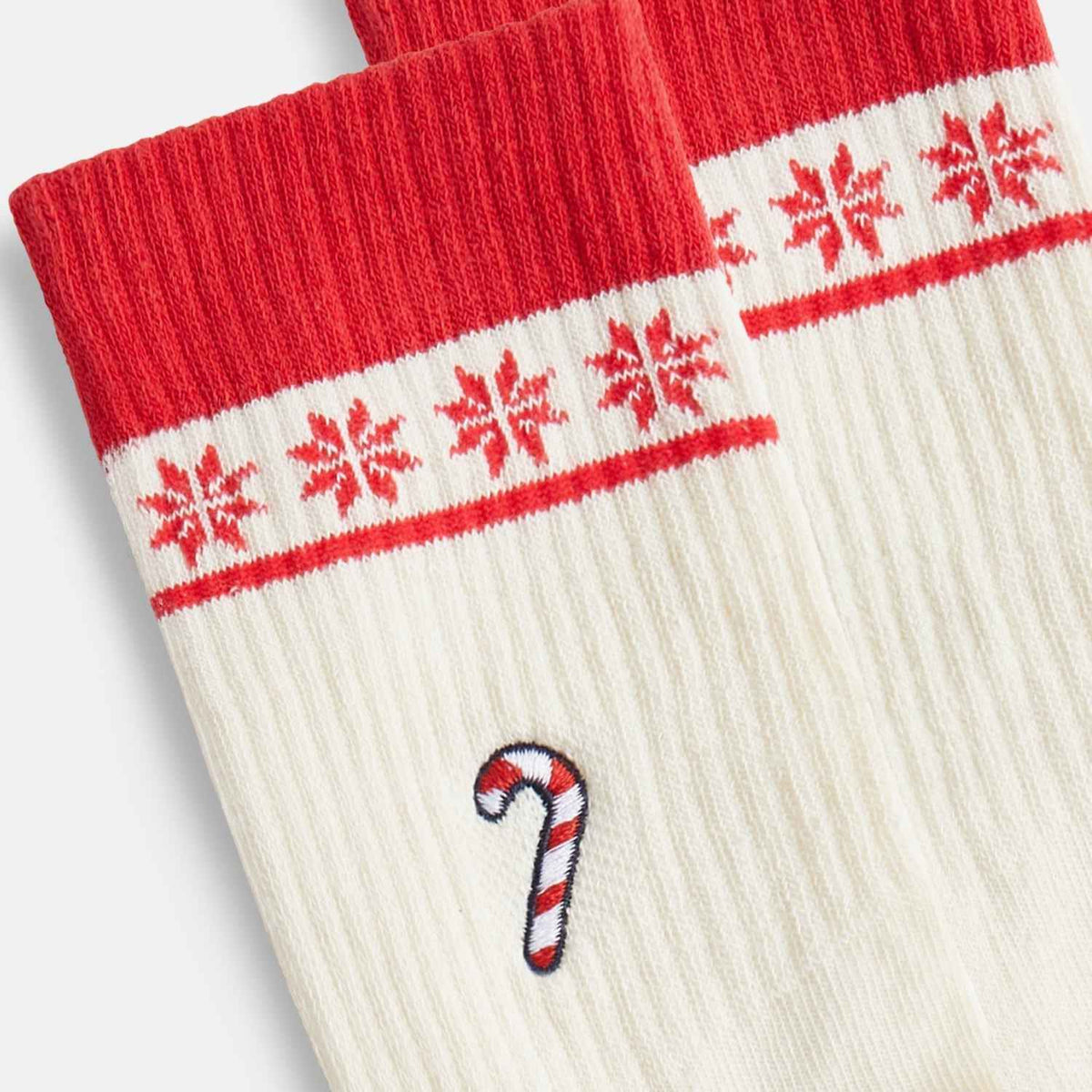
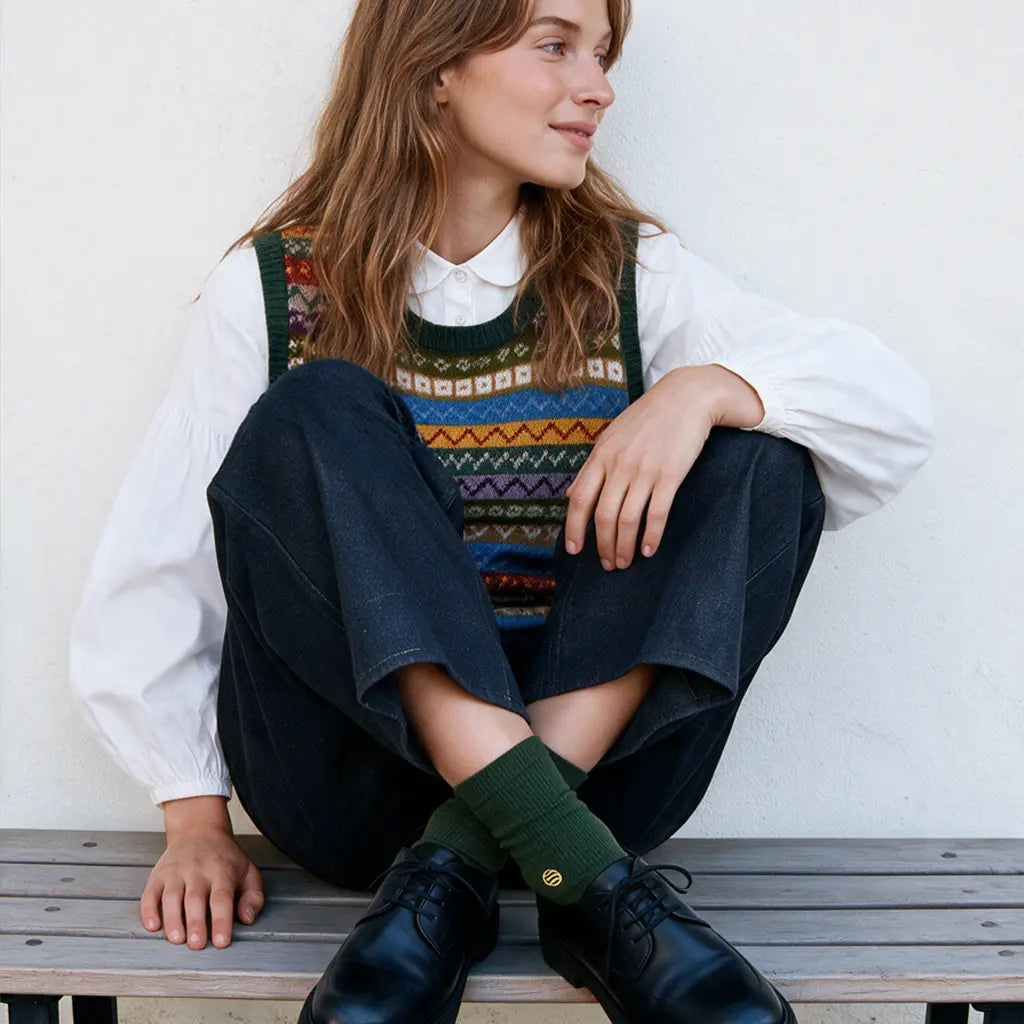
That's exactly why our three warm knitted sock designs – Academia, Bambesch and Adriatic – feel warmer than our classic, thinner everyday socks. Made from 90% organic cotton, they combine plant-based natural fibres with a thicker knitted structure, making them a cosy vegan option for cooler days.
So whether you're heading out for an autumn walk, dealing with a chilly floor or enjoying a cosy evening at home, wool isn't always necessary.

What About Socks Made from Synthetic Fibres?
Polyamide, polyester and elastane are commonly blended into socks because they can improve certain functional properties. Polyamide, for example, increases durability, elastane improves stretch and fit, and polyester can help with moisture management. However, synthetic fibres on their own are generally less suitable for traditional warm winter socks, as they don't necessarily offer the same insulating properties as naturally insulating fibres.
That's also why we focus on using a high proportion of organic cotton at Natural Vibes. Where synthetic fibres are needed for durability and fit, we primarily use recycled materials.
This combination of materials provides comfort, a good fit and longer-lasting wear. After all, socks that can be worn for a long time are an important part of more conscious consumption too.
Warm Socks Need the Right Shoes, Too
There's one thing that's often overlooked when it comes to keeping your feet warm: even the warmest socks need enough room to work properly.
Squeezing thick socks into shoes that are too tight compresses the insulating air pockets. It can also restrict circulation. Both can cause your feet to get cold more quickly, despite wearing thick socks. That's why well-fitting, dry and preferably breathable shoes are also important when temperatures drop.
So, Which Socks Actually Keep Your Feet Warm?
The answer is: it depends on where and when you plan to wear them.
In extreme cold, high-quality wool socks and technical socks specifically designed for low temperatures have clear advantages thanks to their strong insulating properties. For most everyday situations, however, that level of warmth simply isn't necessary.
At normal indoor temperatures and in mild weather, breathable cotton socks are a comfortable choice. When it gets cooler, thicker materials, terry fabric and textured knits provide additional insulation.
So instead of automatically reaching for what seems to be the warmest pair of socks, it's worth asking yourself: how warm do my socks actually need to be today? That way, you can find a pair that suits the temperature, your activity and your personal needs – keeping your feet comfortable without getting too cold or unnecessarily sweaty.